

What Makes a Birth Worker Truly Exceptional — And How to Find One
Excerpt
I want to tell you about two births I attended in the same month.
Same hospital. Same type of birth. Two very different experiences for the mamas.
The first mama walked out of that room feeling like she had just done the most powerful thing of her life. She was exhausted, yes. But she was radiant. She told me weeks later that her birth was the moment she discovered what she was truly made of.
The second mama walked out feeling like something had happened to her. Like she had been a passenger in her own birth. She didn't feel traumatized exactly. But she felt like she had missed something. Like she had been present in her body but absent from her experience.
The difference between those two births was not the length of labor. It was not the interventions. It was not even the outcome.
It was the birth worker in the room.
After 30 years as a holistic certified nurse midwife and more than 1,000 births, I have learned that the person you choose to be in that room with you matters more than almost any other decision you will make in your pregnancy.
And yet most mamas spend more time choosing a stroller than they spend interviewing their birth worker.
I want to change that. So today I want to talk about what truly exceptional birth work looks like — from the inside — and what you should be looking for when you choose yours.
What a Birth Worker Actually Does
Before we talk about what makes a birth worker exceptional, let's be honest about what the role actually is.
A birth worker, whether that's a midwife, a doula, or a labor and delivery nurse, is not just a medical professional or a support person. They are the person who holds the container for one of the most transformative experiences of your life.
They are the person who reads the room when language fails you. Who knows when to speak and when to be quiet. Who can tell the difference between a mama who needs encouragement and a mama who needs space. Who can look at your partner's face and know they need grounding before you do.
They are also, depending on their role, responsible for monitoring your baby's wellbeing, managing complications if they arise, and making clinical decisions that can change the course of your birth in seconds.
It is one of the most demanding roles a human being can hold. And the people who do it well are extraordinary.
So what does extraordinary actually look like?

The Questions You Should Be Asking
1. They treat your birth as yours, not theirs.
*This sounds obvious. It is not.
I have seen birth workers who had a plan for your birth before they ever walked into the room. Who had an opinion about how long labor should take, what position you should push in, when the cord should be cut, and whether you really needed that epidural or not.
An exceptional birth worker comes in with knowledge, not an agenda. Their job is to support your vision and safeguard your safety, not to impose their preferences onto your experience.
They ask what you want. They remember what you said. They advocate for your choices even when it requires them to push back against a system that moves fast and assumes compliance.
2. They are as skilled at holding space as they are at clinical care.
*Clinical competence is the baseline. It is not enough.
The best birth workers I know are technically excellent and emotionally intelligent in equal measure. They understand that birth happens in the nervous system as much as the body. That a mama who feels safe and supported will labor differently than one who feels scared or unheard.
Fear creates tension. Tension creates resistance. Resistance slows labor and increases pain.
An exceptional birth worker knows this in their bones. They create safety. Not just physical safety, but the kind that allows your body to open.
3. They do not vanish when things get hard.
*This is one of the most important things I can tell you.
There is a moment in almost every labor usually somewhere in transition when the mama hits a wall. When her mind says she cannot do this anymore. When everything in her wants to stop.
That is the exact moment when your birth worker's character reveals itself.
An exceptional birth worker does not panic. They do not check their phone. They do not leave the room to check on another patient or fill out paperwork. They get closer. They get quieter. They stay present with you in the hardest moment because they know - from experience - that you are almost through it.
Ask your prospective birth worker: what do you do when a mama hits transition and wants to give up? Listen very carefully to the answer.
4. They are honest with you even when it's uncomfortable.
*Exceptional birth workers do not just tell you what you want to hear.
They are warm. They are encouraging. And they will also tell you the truth about what they're seeing, what they're concerned about, and what your options are, including the options you might not want to consider.
I have had to tell mamas things that were hard to hear. That we needed to transfer. That the plan needed to change. That the baby needed something different from what we had hoped.
The ones who do this with grace, who can deliver difficult information with both honesty and love — are the ones you want in that room.
5. They have done their own work.
*Birth work carries weight. It lives in the body. The emergencies, the losses, the decisions made at 3am with imperfect information and a mama in crisis and all of it accumulates.
The birth workers who sustain this work long-term without burning out or becoming hardened are the ones who process what they carry. Who have someone in their corner. Who have a practice, breathwork, therapy, community, mentorship, that allows them to keep showing up whole.
A birth worker who has done their own work brings a different quality of presence into the room. You feel it. It is the difference between someone who is technically there and someone who is truly with you.
You can ask about this. You can ask a prospective birth worker how they take care of themselves. How they process difficult births. What support they have. Their answer will tell you a great deal.
6. They respect your autonomy without abandoning their expertise.
*This is a balance that takes years to learn.
On one side: your birth, your body, your choices. An exceptional birth worker honors this completely. They do not pressure, coerce, or make you feel guilty for the decisions you make about your own care.
On the other side: 30 years of experience watching what happens when certain decisions are made. A clinical lens that sees things a first-time mama cannot see. A responsibility to share their knowledge even when it creates friction.
The best birth workers hold both of these things at once. They inform without pressuring. They advise without overriding. They give you everything you need to make a genuinely informed decision and then they support whatever you choose.
7. They are still learning.
*The birth workers I trust most are the ones who are still curious after decades in practice.
They read the research. They update their protocols when the evidence changes. They go to trainings and come back with something new. They will tell you about a technique they just learned or a study that changed how they think about something they thought they knew.
Confidence and humility are not opposites in excellent birth work. They are partners.

Questions to Ask When Interviewing a Birth Worker
When you meet with a prospective midwife, doula, or birth professional, here are the questions that will tell you the most:
What is your philosophy around intervention in a normal, healthy birth?
How do you handle it when a client's birth preferences conflict with hospital policy or your own clinical judgment?
What do you do when labor stalls or becomes complicated?
What happens if you are unavailable when I go into labor?
What does your transfer protocol look like if we are planning a home or birth center birth?
How do you support partners and birth teams — not just the laboring mama?
What do you do for yourself after a difficult birth?
What is one thing you have changed about how you practice in the last five years?
Pay attention to how they answer as much as what they say. Are they thoughtful or rehearsed? Do they welcome the questions or seem put off by them? Do they speak about their clients with respect and warmth?
Trust your body's response in the room. You are going to be very vulnerable with this person. You need to feel genuinely safe, not just logistically covered.
A Note to Birth Workers Reading This
If you found this post because you are a birth professional - a midwife, a doula, a labor nurse - I want to say something directly to you.
The qualities I have described above are not just things you are born with. They are things you build. Over years of practice. Over hard births and unexpected outcomes. Over the slow accumulation of wisdom that only comes from showing up again and again.
And they require maintenance.
The birth worker who is burned out cannot hold space the way they once could. The one who has nowhere to process what they carry brings that weight into the room without meaning to. The one who has lost the thread of why they started this work shows it even when they are trying not to.
Exceptional birth work is not just about what you give to your clients. It is about what you give to yourself.
You deserve a space where you are the one being held.
If you are a birth worker looking for that space, I created something for you.

Held is a 3-month intimate circle for midwives, doulas, and birth workers. Three monthly group calls with Anne, one private session on your schedule, and access to nearly 200 practice documents built over 30 years.
This is not a course. It is not a certification. It is the space nobody ever created for the people who hold space for everyone else.
$777 | Mid-June through Mid-September | Limited spots
Where to Start If You Are Still Choosing Your Birth Worker
If you are in the process of finding your team, start with these steps:
Interview at least two or three providers before deciding. Your first interview is often more about learning what questions to ask than finding the right person.
Bring your partner or support person to at least one interview. They will notice things you might miss when you are nervous.
Ask about their birth philosophy in the first five minutes. If they cannot articulate one clearly, keep looking.
Check their transfer rate if you are considering a home or birth center birth. Ask about the circumstances that led to transfers in their practice.
Trust your body. If something feels off after a meeting, that feeling is information.
And remember: it is never too late to change providers. Even in the third trimester. Even at 38 weeks. You have the right to feel genuinely safe with the person who will be in that room with you.
One More Thing
The most prepared mamas I have ever worked with walked into birth knowing what they wanted, knowing their options, and knowing they had a team around them they genuinely trusted.
Choosing the right birth worker is one part of that preparation. But it is not the only part.
If you are still building your foundation, if you want to know what else you can do before your birth to feel genuinely ready, I made something for you.
Download my free guide: 40 Things to Do Before Birth.
It is the first thing I share with every mama who comes into my world.
With care,
Anne 🩷
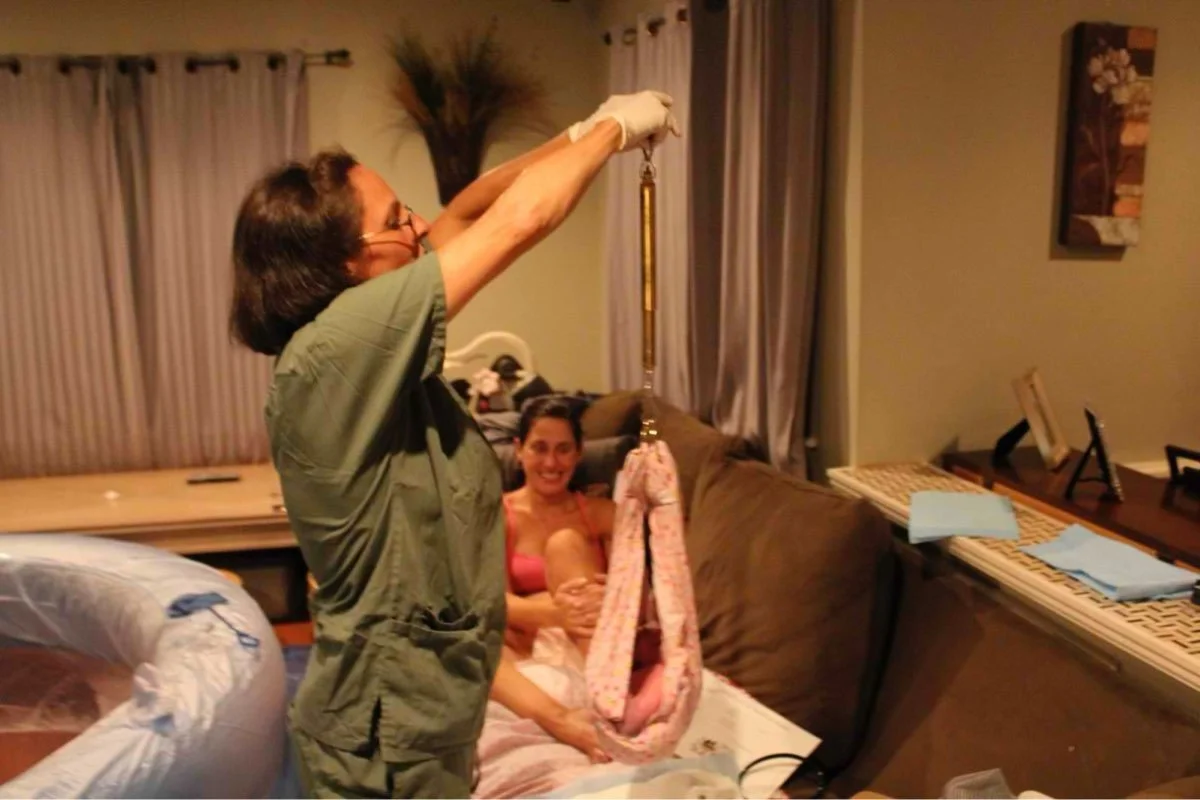
How to Find the Right Birth Worker for You
A holistic midwife with 30+ years experience shares the questions every pregnant woman should ask before choosing a midwife, doula, or OB, plus state licensing tips and why you should never settle for a provider who doesn't feel right.
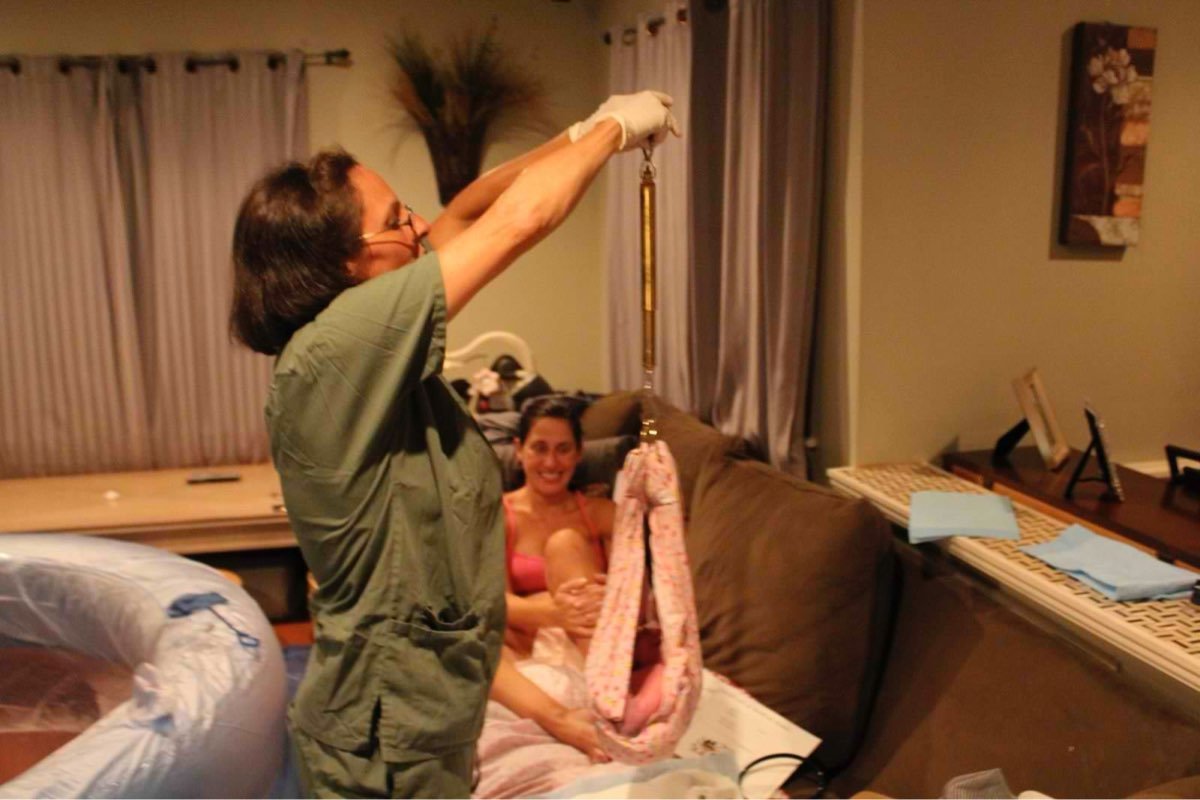
I’ve been a midwife for over 30 years now. I’ve attended over a thousand births. And if there’s one thing I can tell you with absolute certainty, it’s this:
The person standing beside you during birth will shape your entire experience.
Not the hospital you choose. Not the playlist you make. Not the birth plan you write. Those things matter. But nothing matters more than the human being who is holding space for you in your most vulnerable, powerful, raw moment.
The right birth worker makes you feel safe. The wrong one makes you feel like a patient on a conveyor belt.
So how do you find the right one? Let me walk you through it.
First, Know Who’s Out There
The term “birth worker” covers a lot of ground. Here are the main people you might consider having on your team:
Certified Nurse Midwife (CNM): A registered nurse with a master’s degree in midwifery. Licensed in all 50 states. Can practice in hospitals, birth centers, and homes. This is what I am.
Certified Professional Midwife (CPM): Trained through an apprenticeship model. Licensing varies by state. Primarily practices in homes and birth centers.
Doula: A trained birth companion who provides emotional, physical, and informational support. A doula does not deliver babies or perform clinical tasks. She is your advocate and your anchor.
Obstetrician (OB/GYN): A physician specializing in pregnancy and birth. Trained in the medical model. Practices in hospitals.
Each of these professionals brings something different. And your choice will depend on what kind of birth you want, where you want to have it, and what kind of support feels right for you.
Check Your State’s Requirements
This is important and most people skip it.
Midwifery laws vary dramatically from state to state. In some states, CPMs are fully licensed and regulated. In others, they are practicing in a legal gray area. And in a few, practicing as a CPM without a nursing license can result in criminal charges.
I’ve seen the consequences of this firsthand. I’ve seen a transfer come into a hospital where the midwife was hiding because she was afraid of being reported. She brought no chart. No documentation. Because her practice wasn’t legal in that state. And the mother and baby paid the price of that fear.
Before you choose a midwife, please do the following:
Look up your state’s midwifery laws. The American College of Nurse-Midwives (ACNM) and the Midwives Alliance of North America (MANA) both have resources that break this down state by state.
Ask your midwife directly: Are you licensed in this state? What certifications do you hold? Are you required to carry liability insurance?
If your midwife hesitates or gets defensive about these questions, that tells you something. A confident, qualified birth worker will be transparent about their credentials without flinching.
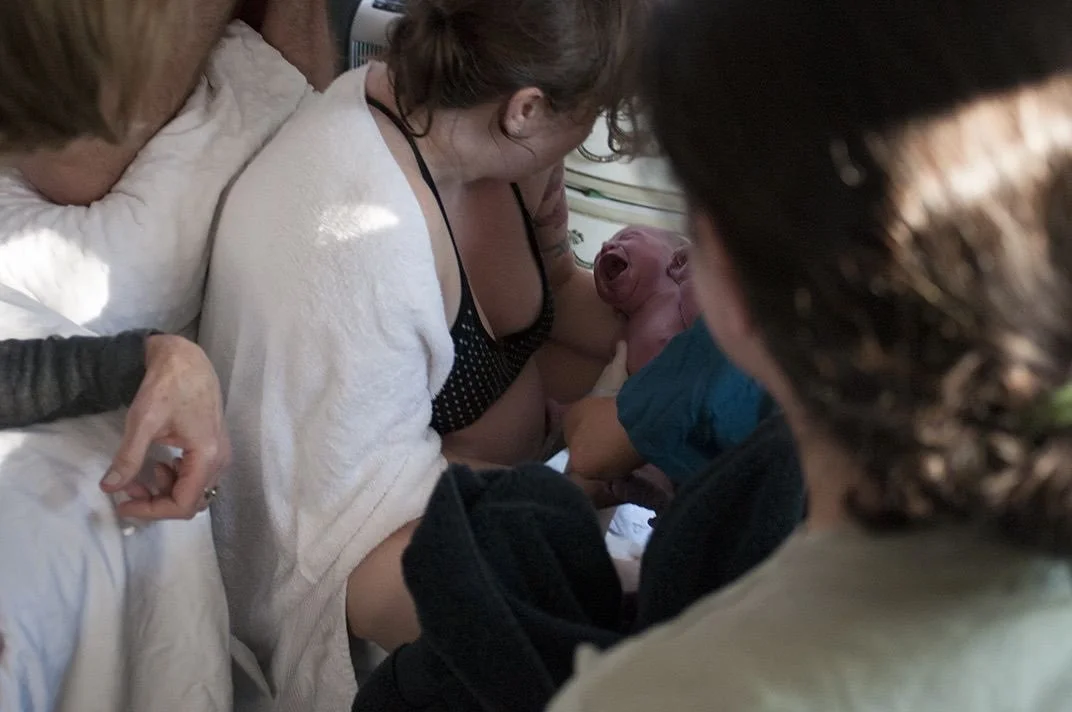
The Questions You Should Be Asking
When you meet with a potential birth worker, whether it’s a midwife, OB, or doula, treat it like an interview. Because it is one. You are hiring someone for the most important job of your life.
Here are the questions I wish every mama would ask:
1. What is your cesarean rate?
If they don’t know or won’t tell you, that’s a red flag. My cesarean rate is 5%. A hospital midwife should ideally be at 10% or less. Most OBs are significantly higher.
2. What is your induction rate?
High induction rates often signal a provider who intervenes early and often. Ask them why and when they recommend induction.
3. What is your philosophy on birth?
Do they see birth as a normal physiologic process or a medical event that needs to be managed? There is no wrong answer here, but you need to know if their philosophy matches yours.
4. How do you handle emergencies?
You want someone who is calm, experienced, and has clear protocols. Ask them to walk you through what happens if something unexpected arises.
5. Will you be at my birth or could it be someone else?
In many hospital practices, the provider on call delivers your baby. That might be someone you’ve never met. Know this before you’re in labor.
6. How do you support physiologic birth?
Do they encourage movement, eating, intermittent monitoring? Or do they default to continuous monitoring, IV lines, and bed rest? These details matter more than most people realize.
7. What happens if I go past my due date?
First-time mamas often go at least a week past their due date. That’s normal. But many providers will push for induction the moment you hit 40 weeks. You deserve a provider who trusts the process when you and baby are healthy.
8. How do you feel about birth plans?
If they roll their eyes or dismiss them, walk away. A birth plan is not a demand. It’s a conversation. And a good provider welcomes it.
9. Can I say no to an intervention?
The answer is always yes. You have legal autonomy over your body. But you want a provider who respects that without making you fight for it.
10. What postpartum support do you offer?
Birth doesn’t end when the baby arrives. The first week postpartum is one of the most vulnerable times in a woman’s life. Ask what support looks like after you go home.
Please Don’t Settle
I need you to hear this.
You do not have to stay with a provider who makes you feel rushed. You do not have to stay with someone who dismisses your questions. You do not have to stay with someone who makes you feel small or scared or like your concerns don’t matter.
I have watched too many women stay with a provider they didn’t trust because they felt like it was too late to switch. It is almost never too late. I’ve had mamas switch to me at 36 weeks. At 38 weeks. Even later. And every single one of them said the same thing afterward: “I wish I had done it sooner.”
Your gut knows. If something feels off during your prenatal appointments, if you leave feeling more anxious instead of more confident, if your questions are met with impatience or condescension, that is your body telling you this is not the right fit.
Listen to it.
You deserve a birth worker who makes you feel held, heard, and honored. Someone who treats your birth as the sacred, powerful experience it is. Someone who respects your body, your instincts, and your right to make decisions about your own care.
That person exists. Keep looking until you find them.
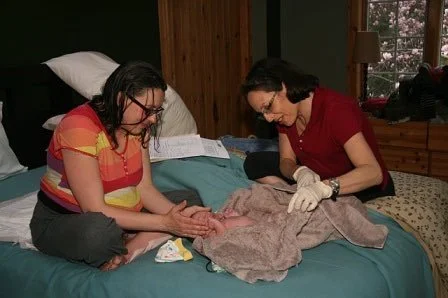
A Few More Things Worth Knowing
You can have both a midwife and a doula.
In fact, I recommend it, especially for hospital births. Your midwife handles the clinical care. Your doula handles you. Having both means you are never without an advocate in the room.
Interview more than one.
Most midwives and doulas offer free consultations. Take advantage of this. Meet two or three. Notice how your body feels in each conversation. The right person will make your shoulders drop.
Ask other mamas.
Word of mouth is still the most powerful tool. Ask women in your community who they loved. Ask who they would hire again in a heartbeat. And ask who they wouldn’t.
Trust matters more than credentials.
I say this as someone with a lot of credentials. A wall full of degrees means nothing if you don’t feel safe with that person. The best birth worker for you is the one who makes you feel like you can do this.
Finding the right birth worker is one of the most important decisions you will make during your pregnancy. Take your time. Ask the hard questions. And please, do not settle for someone who doesn’t feel right just because it’s convenient.
You are not being difficult. You are being a mother. And that starts right now, before your baby is even here, by choosing the people who will stand beside you when it matters most.
I’m rooting for you.
With care,
Anne 🩷

Your Birth Experience Matters (Not Just a Healthy Baby)
A healthy baby is the goal AND how you feel about your birth matters. Here's what 30 years of midwifery has taught me about preparation and respect.

The myth I hear most often from pregnant women is this: I just want a healthy baby. That's all that matters.
I understand why women say this.
It comes from love. It comes from fear. It comes from a culture that has spent decades teaching us that our experience does not count as long as the baby is fine.
But here is what I know after 30 years as a midwife:
How you feel about your birth matters.
Your experience matters.
The way you were treated matters.
A healthy baby is the goal AND a woman deserves to feel respected, informed, and powerful in her birth.
These are not competing ideas. You are allowed to care about both.
Why Your Experience Matters
Birth is one of the most profound moments of a woman's life.
Not because it has to be perfect. Not because it has to go according to plan.
But because in that space, whether it is a quiet bedroom or a bright hospital room, something ancient and powerful is happening.
A woman is discovering what she is made of.
I have been privileged to witness that discovery thousands of times. And what I know without any doubt is this: how a woman is treated in that moment matters deeply.
The words spoken to her matter.
The hands that support her matter.
Whether she feels informed, respected, and seen—that matters.
Birth shapes women. It shapes families. It echoes forward. The experience you have during birth does not disappear when the baby arrives. It stays with you.
You will remember who believed in your body when you doubted it. You will remember who protected your space and who intruded on it. You will remember whether you felt informed or blindsided.
That is why preparation matters so much.
Information Is Not the Same as Preparation
One of the things I tell every pregnant woman is this: information is not the same as preparation.
You can read every book and still feel unprepared.
Real preparation is emotional, mental, and physical—not just intellectual.
It is about understanding what your body is doing and why. It is about practicing nervous system regulation before labor begins. It is about clarifying your partner's role in advance. It is about having language ready for advocacy.
It is about knowing what you do not want as clearly as what you do want.
Getting honest about your fears is where real birth preparation begins.
The People in Your Birth Room Shape Your Experience
One of the most important decisions you will make during pregnancy is who you allow in your birth room.
The people present shape your experience profoundly.
Energy matters. Presence matters. Who you allow in that room matters.
If you are working with a provider and something feels off at 32 weeks, it is not too late to make a change. You have time. And you deserve to feel right about who will be in that room with you.
Whether you choose a midwife, an OB, a doula, or a combination of support, what matters is that you feel seen, respected, and safe.

Midwifery Care: What It Actually Looks Like
Most people do not know what midwifery care actually looks like.
A midwife is not just someone who delivers babies at home. Midwifery is a complete model of care—prenatal, birth, and postpartum—built around relationship, continuity, and informed choice.
In prenatal care, a midwife spends time with you. Not seven minutes. Time. Getting to know your health history, your fears, your goals, your family, your life. That relationship is part of the care.
During labor, a midwife stays. There are no shift changes. No handing off to someone you have never met. The person who has walked through pregnancy with you is there for the birth.
A midwife monitors you and your baby throughout labor—heart tones, blood pressure, progress—while also supporting you emotionally and physically. Clinical skill and human presence. Both. At the same time.
After the birth, a midwife continues care. Newborn exams, postpartum visits, breastfeeding support, your physical and emotional recovery. The care does not end when the baby arrives.
This is what midwifery offers. Continuity. Relationship. Presence.
Home Birth vs Hospital Birth: What Nobody Tells You
One of the most nuanced conversations in birth preparation is home birth versus hospital birth.
The conversation deserves more honesty than it usually gets. Both have real benefits. Both have real tradeoffs.
Home birth is not inherently dangerous for low-risk pregnancies. Multiple studies show that for healthy women with skilled attendants, planned home birth outcomes are comparable to hospital birth. This is not fringe information. It is published research.
Hospital birth is not inherently safer for low-risk pregnancies. Interventions have their own risks. The hospital environment affects how labor progresses. Safety is not a one-size-fits-all calculation.
What home birth offers:
Familiar environment. Freedom of movement. Your own food, your own space, your own bed after. Continuity of care with a provider who knows you. No shift changes. No strangers in the room.
What hospital birth offers:
Immediate access to surgical intervention if needed. Neonatal intensive care if needed. An epidural if that is what you want. These are real benefits for women who need or want them.
The question is not which is better.
The question is: what do YOU need to feel safe, supported, and empowered in your birth?
That answer is different for every woman. And it deserves a real, honest conversation—not a default.
Postpartum Deserves Preparation Too
The postpartum period deserves as much preparation as the birth.
Most families focus entirely on labor and then feel blindsided by the weeks after.
Prepare your home. Prepare your support system. Prepare your expectations.
Who is bringing food? Who is helping with older kids? Who can you call at 2am?
Set this up now while you have the energy to organize it.
Stock your recovery supplies. Peri bottle, ice packs, comfortable clothing, sitz bath. Your postpartum body needs care. Have what it needs ready before labor starts.
The weeks after birth are as important as the birth itself.
What Preparation Actually Does
Preparation does not guarantee a perfect birth.
It gives you the tools to meet your birth—whatever it looks like—with confidence.
I think about Brittany, one of my students who was living in Nicaragua when she went into labor. She had no midwife available. She used the Love Your Birth course to prepare for her home waterbirth—and she did it.
Her words: Because of it I was able to do a home waterbirth in Nicaragua. Your course helped me through it. Thank you again for the knowledge I was able to achieve online.
You do not have to be in Nicaragua for this to matter.
Whether you are planning a home birth, a hospital birth, or something in between—being truly prepared changes everything.

You Are More Capable Than You Have Been Led to Believe
If I could sit with every pregnant woman before her due date, I would tell her this:
You are more capable than you have been led to believe.
Birth culture in this country has spent decades teaching women to be afraid of their own bodies.
You were designed for this. That is not a cliche. It is biology.
Your body knows how to birth. Education does not teach your body what to do. It helps you trust what your body already knows.
The Work of Showing Up Prepared
I received a testimonial once that said: The level of care I received is incomparable to any other physician. You changed our lives in so many ways—including getting my very skeptical mother on board.
That last part gets me every time.
Because I know that woman. The skeptical mother. The one who is worried, who has questions, who grew up in a world where hospital birth was the only option anyone talked about.
And I know what it means when she comes around.
Not because she was convinced by an argument—but because she saw her daughter supported, informed, and powerful in her birth.
That is the work.
If someone in your life is nervous about your birth choices, sometimes the most powerful thing you can do is show up so prepared and so clear that their fear has no room to take hold.
You Do Not Have to Figure This Out Alone
You deserve to enter birth feeling prepared, supported, and powerful.
You deserve care that sees all of you—not just your cervix and your due date.
You deserve to know that your experience matters.
Have Questions? Ask Me Anything.
I am hosting a live Q&A on April 28th at 3pm ET / 2pm CT where you can ask me anything about pregnancy, birth, and postpartum.
45 minutes. Your questions. Honest answers.
You can submit questions in advance when you register, and if you attend live, you can ask follow-up questions in real time. Cannot make it live? You will get the full recording within 24 hours.
Topics I will cover include:
How to know if your body can birth your baby
What early labor really feels like and when to go to the hospital
How to prepare your partner
What to expect the first week postpartum
How to advocate for yourself during birth
Home birth vs hospital birth decisions
And whatever else you ask
Cost: $5
GET YOUR TICKET
You deserve honest answers from someone who has been doing this work for decades.
With warmth,
Anne 💜

What No One Fully Explains About the First Week After Birth
What's actually happening in the first week postpartum. The hormonal recalibration around day three to five, sleep fragmentation and nervous system activation, physical healing, and how partners can hold protective space during this tender transition.

When families prepare for birth, most of the focus goes toward labor.
Contractions. Positions. Hospital bags. Birth preferences.
Very little attention is given to what happens after you come home.
And yet, the first week postpartum is one of the most physiologically and emotionally intense transitions a woman will ever move through.
Not because something is wrong. But because everything is shifting at once.
Let's walk through what is actually happening.
The Adrenaline Phase: Why You Might Feel "Fine" At First
Immediately after birth, your body floods with adrenaline.
Relief. Alertness. Accomplishment.
Many women describe feeling surprisingly awake in the first 24 to 48 hours. Even without sleep, they feel wired.
This is not sustainable energy. It is biochemical.
Adrenaline masks exhaustion temporarily. It also masks the emotional recalibration building beneath the surface.
This is why the first couple of days can feel manageable... and then suddenly shift.
The Hormonal Drop: What Happens Around Days Three to Five
Around day three to five postpartum, a massive hormonal shift occurs.
During pregnancy, estrogen and progesterone levels are extraordinarily high. After the placenta is delivered, those levels plummet.
At the same time, prolactin rises sharply and oxytocin surges during feeding.
The combination creates a vulnerable emotional window.
This can look like: unexpected tears, heightened sensitivity, feeling overwhelmed by small decisions, questioning your adequacy.
This is commonly called the "baby blues," but that phrase minimizes what is happening.
This is physiological recalibration.
When women understand this shift ahead of time, they are far less likely to interpret it as personal failure.
Sleep Fragmentation and Nervous System Activation
Sleep in the first week postpartum is rarely restorative.
Even with a calm newborn, sleep becomes short, fragmented, light, hyper-vigilant.
Your nervous system remains on alert. This heightened alertness is protective, but it also increases emotional reactivity.
Sleep fragmentation alone can make minor challenges feel overwhelming.
Understanding this removes shame. You are not "too emotional." You are adapting.

Physical Recovery Is Not Background Noise
While all of this is happening emotionally, your body is also healing.
Your uterus is contracting. Your pelvic floor is recalibrating. Your blood volume is shifting. Your tissues are repairing.
Whether you birthed vaginally or via cesarean, your body has undergone significant work.
Warmth, nourishment, hydration, and rest are not luxuries during this time. They are physiologic necessities.
When we treat postpartum as a time to "bounce back," we work against the body's natural healing process.
The Partner's Role: Environmental Protection
In the first week, the mother's primary work is healing and feeding.
The partner's primary role is environmental protection.
Managing visitors. Preparing food. Ensuring hydration. Protecting sleep windows. Filtering outside pressure.
Many partners want to help but are unsure what actually matters.
When this role is clarified before birth, tension decreases dramatically.
Postpartum is not intuitive. It benefits from conversation and structure.

Why Families Feel Blindsided
The reason so many families feel blindsided is not because the experience is abnormal.
It is because preparation was focused almost exclusively on labor.
When no one explains the hormonal drop, the sleep shifts, the emotional recalibration, and the intensity of healing, mothers assume something is wrong.
Nothing is wrong. This is transition.
The first week is not meant to be productive. It is meant to be quiet, warm, and protected.
Preparation Changes the Experience
Preparation does not eliminate intensity. But it changes interpretation.
When you expect the hormonal shift, you are less afraid of it. When you understand sleep fragmentation, you are less self-critical. When you prioritize nourishment ahead of time, you enter postpartum less depleted.
The first week after birth deserves as much preparation as labor itself.
If You Want Gentle Structure for That Window
I created The First Week After Birth because I have watched too many mothers enter that season without a map.
It walks through: what is physiologically normal, how to structure rest and nourishment, how partners can support effectively, how to protect emotional steadiness, and when to seek help.
It is $17.
And right now, when you buy it, you are automatically entered to win Love Your Birth — my complete birth education program. One family will receive it for free. Winner announced April 2nd.
You deserve preparation for all of birth. Not just labor. All of it.

How Partners Protect the Birth Space
Learn how partners can quietly advocate during labor by protecting the birth space, asking for time and clarity, and supporting physiologic birth.
A gentle guide for birth partners on how to support labor without confrontation by protecting the birth environment, asking for time, and holding steady presence.

Birth is not only shaped by the body that is laboring.
It is shaped by the space around her.
The tone of voices in the room.
The pace at which decisions are made.
The sense of calm, or urgency, she feels.
One of the most powerful roles a partner can play during birth is not managing labor, fixing discomfort, or making things “go faster.”
It is protecting the birth space.
This kind of support is quiet, steady, and deeply impactful. And when done well, it allows the birthing person’s body to do exactly what it already knows how to do.
Partners as the Bridge
During labor, the birthing person often turns inward. This is natural and necessary. Labor is not a cognitive process. It is hormonal, instinctual, and deeply embodied.
In these moments, partners often become the bridge between:
The birthing person and care providers
The birth space and the outside world
The natural rhythm of labor and external time pressure
This doesn’t mean speaking for the birthing person or overriding anyone. It means helping hold the container so labor can unfold without unnecessary disruption.
Advocacy Is Not Confrontation
Many partners worry that advocacy means being confrontational, argumentative, or “difficult.” This fear can keep people silent even when something doesn’t feel right.
But true advocacy is not aggressive.
It is calm, respectful, and grounded.
Advocacy sounds like:
“Can we have a few minutes to talk this through?”
“Is this urgent right now, or do we have time?”
“Can you help us understand the benefits and risks?”
“We’d like a moment alone before deciding.”
These simple phrases can dramatically change the tone of the room.
Advocacy is about creating space, not creating conflict.
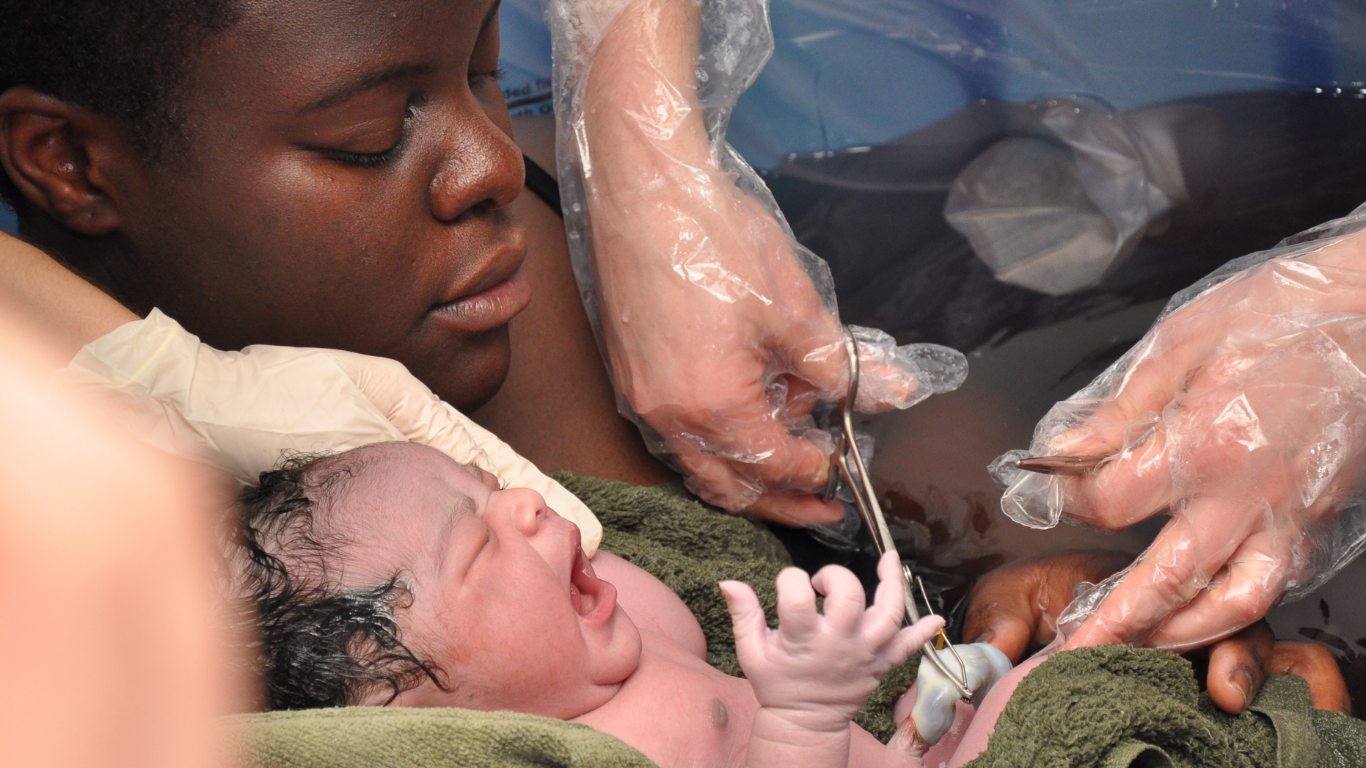
Asking for Time Is One of the Most Powerful Tools
One of the most common disruptors of physiologic birth is rush.
Rushed conversations.
Rushed decisions.
Rushed interventions.
In most normal labors, there is time.
Partners can gently slow the moment by asking for:
Time to breathe
Time to confer privately
Time to understand options
Time to let labor continue
When urgency is real, it will be clear.
When it’s not, slowing things down often protects normal labor.
Protecting the Birth Environment
The birth environment matters more than many people realize.
Lighting.
Noise.
Interruptions.
The number of people entering and leaving the room.
Partners can support labor by:
Dimming lights when possible
Limiting unnecessary conversation
Redirecting questions away from the birthing person
Helping maintain privacy
Keeping the room calm and quiet
Think of yourself as the keeper of the container.
Your presence communicates safety.
Your steadiness allows her nervous system to soften.
Your calm helps oxytocin flow.
Holding Presence Instead of Fixing
It can be hard to watch someone you love experience intense sensations. The instinct to fix, distract, or make it stop is very human.
But birth often asks something different.
Sometimes the most supportive thing a partner can do is:
Stay close
Make eye contact
Breathe slowly
Offer touch when welcomed
Say very little
Presence is powerful.
You don’t need to make labor easier.
You need to help her feel not alone.
This Applies in Every Birth Setting
Whether you’re planning:
A homebirth
A birth center birth
A hospital birth
The principles are the same.
Birth works best when the birthing person feels:
Safe
Supported
Unrushed
Respected
Partners play a crucial role in creating that experience regardless of location.
A Final Word to Partners
You don’t need to be perfect.
You don’t need to know everything.
You don’t need to control the outcome.
Your role is to protect the space, trust the process, and walk beside the person you love with steadiness and care.
That quiet presence matters more than you know.
Final Thoughts
Birth is a team experience.
When partners understand the quiet power they hold to slow things down, ask for clarity, protect the environment, and hold calm presence birth becomes safer, more supported, and more deeply human.
This is advocacy at its best.
Want to Prepare Together for This Role?
In my Love Your Birth Online Course, I guide both birthing people and partners through:
Understanding normal labor
Supporting physiologic birth
Navigating conversations with providers
Protecting the birth space in any setting
Preparation changes everything not by controlling birth, but by creating the conditions for it to unfold beautifully.
You deserve a birth experience that feels safe, supported, and deeply empowering.

The Midwifery Model of Care: Why Normal Birth Is Safest
Midwifery Model of Care, midwifery vs medical model, holistic prenatal care, physiologic birth benefits, low intervention birth
In today’s modern healthcare system, pregnancy is often approached as a condition waiting for something to go wrong. Appointments are short. Testing is frequent. Interventions are discussed early—sometimes before there’s even a reason.
This approach is known as the Medical Model of Care.
And while it is absolutely essential when complications arise, it is not always the most supportive or appropriate model for healthy, low-risk pregnancies.
There is another way—one that honors birth as normal, powerful, and profoundly wise.
This is the Midwifery Model of Care.

In today’s modern healthcare system, pregnancy is often approached as a condition waiting for something to go wrong. Appointments are short. Testing is frequent. Interventions are discussed early—sometimes before there’s even a reason.
This approach is known as the Medical Model of Care.
And while it is absolutely essential when complications arise, it is not always the most supportive or appropriate model for healthy, low-risk pregnancies.
There is another way—one that honors birth as normal, powerful, and profoundly wise.
This is the Midwifery Model of Care.
What Is the Midwifery Model of Care?
The Midwifery Model of Care is rooted in one simple, powerful truth:
Pregnancy and birth are normal, physiological life events—not illnesses.
As a midwife, my role is not to “manage” your body or control your labor.
My role is to protect your normal, while remaining clinically skilled and deeply present.
This model emphasizes:
Individualized, relationship-based care
Education and informed choice
Holistic prenatal care that supports body, mind, heart, and spirit
Minimal intervention unless medically necessary
Continuous emotional and physical support
Respect for your intuition and autonomy
Midwives are trained to recognize when birth is unfolding beautifully—and when it is not. We intervene only when needed, and with intention.
Midwifery Model vs. Medical Model: Key Differences
The Medical Model of Care
Views pregnancy as inherently risky
Focuses on surveillance, protocols, and timelines
Relies heavily on technology and routine interventions
Often prioritizes efficiency and liability
Tends to manage labor rather than support it
This model saves lives in true emergencies. I am deeply grateful for it when it is needed.
But when applied to normal birth, it can unintentionally disrupt physiology, increase fear, and lead to unnecessary intervention.
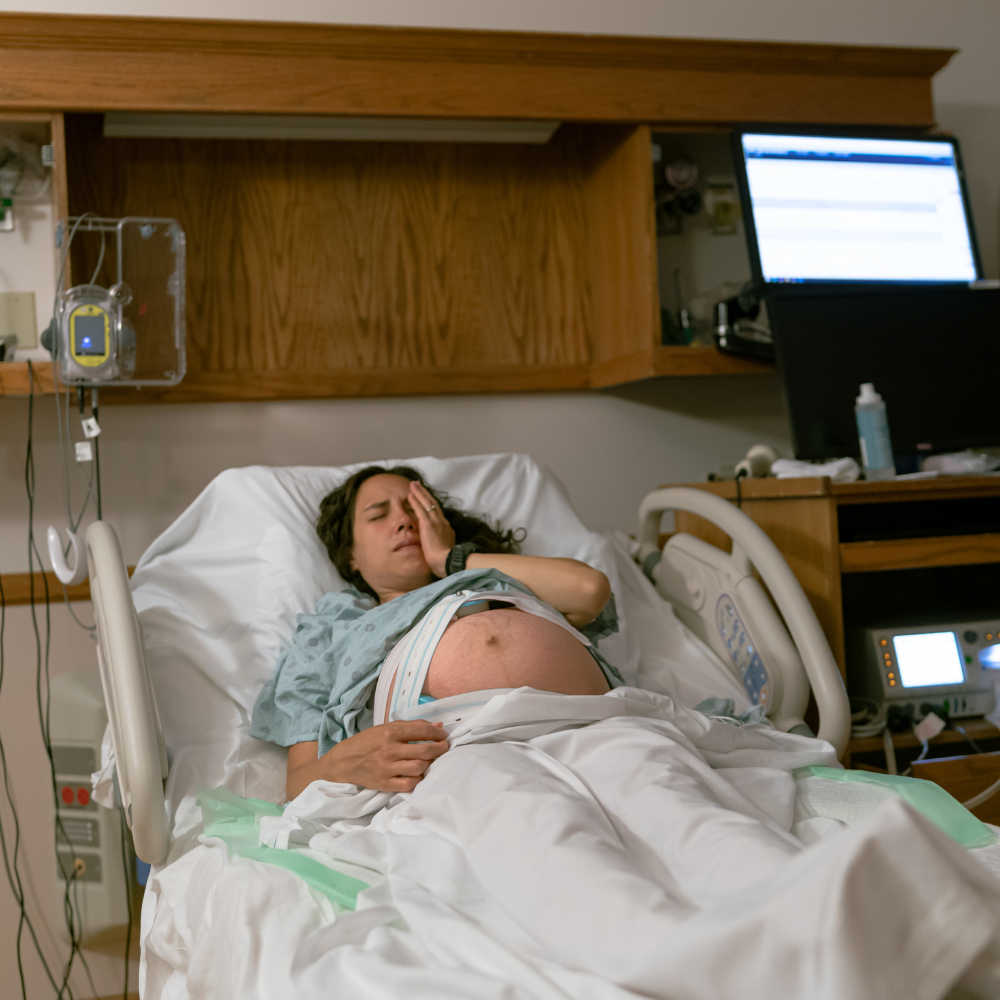
The Midwifery Model of Care
Views pregnancy as healthy until proven otherwise
Focuses on prevention, education, and trust
Supports the body’s natural rhythms and hormonal flow
Encourages freedom of movement, nourishment, and rest
Respects the emotional and spiritual dimensions of birth
This model asks a different question: “What does this woman need to feel safe, supported, and empowered?”
Why Trusting “Normal” Matters So Much
Physiologic birth works best when a woman feels:
Safe
Undisturbed
Supported
Seen and heard
When fear is reduced and autonomy is honored, the body releases oxytocin—the hormone of labor, bonding, and love.
This is why the Midwifery Model of Care is associated with:
Lower rates of induction
Lower cesarean rates
Fewer unnecessary interventions
Higher satisfaction with the birth experience
Stronger breastfeeding outcomes
Normal birth doesn’t mean “no help.”
It means the right help, at the right time, for the right reason.
Holistic Prenatal Care: Caring for the Whole Woman
Holistic prenatal care is a cornerstone of midwifery.
Your appointments are not rushed.
Your questions are welcomed.
Your emotional world matters.
We talk about:
Nutrition and lifestyle
Sleep and stress
Emotional well-being
Relationship dynamics
Past birth experiences or trauma
Fears, hopes, and expectations
Because birth doesn’t happen in isolation.
It happens in the context of your life.

But What About Safety?
This is one of the most common—and important—questions I hear.
Midwives are highly trained clinicians. We monitor both mother and baby carefully throughout pregnancy, labor, and postpartum. We use evidence-based screening and assessments, and we know exactly when collaboration or transfer of care is necessary.
Safety is not ignored in midwifery care.
It is woven into everything we do.
The difference is that we don’t treat every pregnancy like a crisis.
You Deserve Care That Honors You
Whether you plan to birth at home, in a birth center, or in a hospital, the principles of the Midwifery Model of Care can guide you:
Trust your body
Educate yourself
Choose providers who listen
Create an environment that supports physiology
Advocate for informed consent and refusal
“Normal” is not passive.
It is powerful.
Final Thoughts
Birth is not something to get through.
It is something to be experienced, respected, and remembered.
When we trust normal, protect physiology, and center care around the woman—not the system—we create safer, healthier, and more empowering births.
That is the heart of the Midwifery Model of Care.
And it is my life’s work.
Want to Learn How to Apply This Model to Your Own Birth—Anywhere You Plan to Deliver?
In my Love Your Birth Online Course, I teach you how to:
Understand physiologic birth
Navigate the medical system with confidence
Advocate for low-intervention care
Create a homebirth-like experience in any setting
Prepare your mind, body, and heart for birth
This course was created from nearly 30 years of midwifery experience, and it supports parents birthing at home, in birth centers, or in hospitals.
You deserve care that honors your wisdom.
You deserve a birth you can love.

Navigating Anxiety in Pregnancy: A Gentle Winter Guide for Calming Your Mind, Body & Heart
A gentle, holistic guide to easing anxiety during pregnancy, especially in the busy holiday season. Learn supportive tools to calm your mind, body, and nervous system.
The holidays can be beautiful… and also overwhelming.
And when you’re pregnant, that combination hits differently.
This season brings more stimulation, more gatherings, more expectations, more decisions, and often—more emotional noise. Add a growing belly, shifting hormones, and a tender nervous system, and many mamas tell me they find themselves feeling anxious, overstimulated, or simply “not themselves.”
If that’s you, please hear this with your whole heart:
You are not alone, and nothing is wrong with you.
Pregnancy is already a profound transformation. Adding holiday stress on top of it can make even the strongest women feel unsteady.
As a holistic midwife, I want to offer you a safe, grounded place to rest for a moment… and a few gentle ways to support yourself.

Anxiety in Pregnancy Is Common — and Not a Personal Failing
You are growing life.
Your body is stretching, shifting, expanding.
Your identity is evolving.
Your heart is opening.
This is an enormous emotional landscape.
Anxiety is simply your nervous system asking for more care, more spaciousness, more breath. You are not “too sensitive.” You are wise and aware in a season where everything is heightened. You deserve gentleness!
Start Here: Slow Down and Honor Your Pace
This month invites us to move quickly—gift lists, travel, work deadlines, family expectations.
But your pregnant body whispers something different:
Slow.
Steady.
Soft.
Spacious.
Give yourself permission to decline what doesn’t support your well-being. You’re not “letting people down” — you’re protecting your baby’s nervous system and your own. That is sacred work.
A few grounding questions to ask yourself:
Does this feel nourishing, or draining?
Does my body tense or soften when I imagine this plan?
Am I doing this out of obligation… or from love?
Listen to your inner yes and no. You can trust them.
Create a Calm, Safe Environment Around You
An anxious mind often softens when the physical environment becomes more supportive. Try:
Lowering lights in the evening
Using warm lamps, salt lamps, or candles
Diffusing lavender or chamomile
Decluttering one small area
Keeping your phone out of your bedroom
Playing soft music (I love Tibetan bowls, piano, or gentle acoustic)
Your space influences your state.

Your Breath Is Your Medicine
Your breath is one of the most powerful tools you have—during pregnancy, birth, and motherhood.
Here are three simple practices that help regulate your nervous system:
1. Soft Belly Breathing
Inhale for 4
Exhale for 6
Repeat 10 times
The long exhale signals safety to your body.
2. Hand-to-Heart + Hand-to-Belly
One hand on your heartbeat, one hand on baby.
Breathe slowly.
Feel your connection.
Let yourself settle.
3. Gentle Forced Exhale
Blow all the air out…
Let the inhale come in naturally.
Repeat for a few minutes.
A beautiful way to release tension and overthinking.
Honor Your Emotional Body
Pregnancy brings up old memories, fears, unresolved wounds, and sometimes grief. This is normal, you are opening on every level.
When anxiety rises, try:
Journaling without editing
Taking a short walk outside
Placing your feet on the ground and imagining energy releasing downward
Talking to someone who feels calm and trustworthy
Bringing hands to your womb and speaking softly to your baby
You don’t have to “fix” everything.
Just let feelings move through with compassion.
Gentle Holistic Supports
These are safe, simple practices I often recommend (and always, check in with your provider):
Herbal Teas
Chamomile
Lemon balm
Lavender
Oat straw
A mild nighttime blend
Sip slowly. Let your exhale lengthen.
Nervine Herbs (after first trimester, if appropriate)
Motherwort
Skullcap
Passionflower
These are soothing to the nervous system, grounding for an overactive mind, and can be taken as tea or tincture. Again — please consult your practitioner if you’re unsure.
Magnesium
Magnesium glycinate or citrate can help relax muscles, support sleep, and ease tension.
Warm Baths
Epsom salt + lavender.
Even 10 minutes can shift everything.
Set Boundaries With Love (Yes, Even During the Holidays)
You don’t owe anyone your energy.
Protect the softness you’re cultivating by:
Leaving events early
Saying “no” without explaining
Avoiding difficult conversations for now
Creating smaller, quieter celebrations
Asking your partner or loved ones to buffer when needed
Boundaries are not walls.
They are bridges to inner peace.

A Note About Anxiety That Feels Big or Unmanageable
If your anxiety feels heavy, constant, or is interfering with your daily life, please reach out to a mental health provider, trauma-informed therapist, or a holistic practitioner who understands pregnancy. Support is not a sign of weakness.
It is profound wisdom.
You deserve to feel held.
Your Pregnancy Is a Sacred Time—Even When It Feels Hard
Please remember this:
You are doing beautifully, even on the days that don’t feel beautiful.
Your body is wise.
Your baby is safe.
Your feelings are valid.
And you are so incredibly capable.
Let this season be one of softness, rest, healing, and deeper connection…to yourself, to your baby, and to the life you are growing.
You are not meant to do this alone.
You are meant to be supported.
Want Deeper Tools to Calm Your Mind & Prepare for Birth?
In my Love Your Birth Online Childbirth Course, I guide you through breathwork, mindset practices, emotional preparation, and gentle tools to help you feel grounded, confident, and deeply connected throughout pregnancy and birth.
If anxiety is part of your journey, the course offers a nurturing, empowering roadmap to help you feel steady and supported—all the way into postpartum.
Let's Explore Different Types of Midwives
Understanding Your Midwifery Options: Finding the Right Midwife for You
If you're planning to get pregnant, are already expecting, or preparing for postpartum care, you may be exploring midwifery as part of your journey. But in the U.S., the world of midwifery can feel confusing—full of different titles, certifications, and types of care.
The truth is, not all midwives are trained or licensed the same way, and their approaches can vary widely—from highly medicalized to deeply holistic. Some work closely with hospitals, while others focus on homebirth and traditional care.
This guide breaks down the different kinds of midwives (and birth workers) so you can find the provider who best fits your needs, values, and vision for birth.
What Makes a Midwife?
A midwife is a trained professional who provides care during:
Preconception
Pregnancy
Labor and birth
Postpartum
Some also offer newborn care, well-woman gynecology, and primary care
Midwives follow what’s called the midwifery model of care, which emphasizes:
Informed choice
Individualized care
Continuity of support
Trust in the body’s natural processes
That said, training, credentials, and philosophies vary a lot—so let’s break down the main types you might meet.
Certified Nurse-Midwife (CNM)
Who they are:
A CNM is a registered nurse (RN) who has completed advanced graduate training in midwifery.
Key facts:
Licensed in all 50 states
Can practice in hospitals, clinics, birth centers, and homes
Covered by most insurance plans
Often work in collaboration with OB/GYNs
Some are more medical in approach; others are very holistic
Trained in well-woman care, gynecology, family planning, newborn and even primary care
Where they’re trained:
CNMs must graduate from an accredited nurse-midwifery program and pass the national board exam through the American Midwifery Certification Board (AMCB).
Professional org:
American College of Nurse-Midwives (ACNM)
Certified Midwife (CM)
Who they are:
Like CNMs, CMs complete accredited midwifery training—but they aren’t nurses.
Key facts:
Education and clinical training are equivalent to CNMs
Take the same national certification exam
Currently only licensed in a few states (like NY and NJ)
Offer the same full scope of care: preconception through menopause
Covered by insurance in some licensed states
Best for:
People wanting midwifery-led care with a strong academic and clinical foundation, especially outside the nursing profession.
Certified Professional Midwife (CPM)
Who they are:
CPMs are midwives trained specifically to attend homebirths and birth center births.
Key facts:
National certification through the North American Registry of Midwives (NARM)
Most trained through MEAC-accredited programs, apprenticeships, or a blend of both
Legally recognized in many—but not all—states
Not all are licensed to carry medications or medical equipment (depends on state law)
Most are not trained in well women gynecology, common health issues a woman might experience not related to pregnancy and primary care, so a woman would need another provider for addressing these.
Focus on physiologic birth, informed choice, and community-based out of hospital care
Usually not covered by insurance unless licensure is recognized by the state
Professional org:
Midwives Alliance of North America (MANA)
Direct-Entry Midwife (DEM)
Who they are:
“Direct-entry” simply means someone who enters the profession without a nursing degree. DEMs come from various backgrounds and training paths.
Key facts:
May or may not be certified (e.g., as a CPM)
May be self-taught, apprenticed, or formally trained
Legal status and training quality varies by state
Typically attend home or birth center births
May not carry medications or have hospital privileges
Some DEMs are deeply experienced and community-rooted. Others may practice without formal regulation by choice, often for philosophical or spiritual reasons.
Terms you might hear:
Traditional Midwife
Community Midwife
Granny Midwife
Lay Midwife
Many serve underrepresented or marginalized communities and may prioritize cultural or ancestral birth practices.
Licensed Midwife (LM)
Who they are:
An LM is any midwife (CNM, CM, CPM, or DEM) who is licensed to practice legally in a specific state.
Key facts:
Licensure requirements differ by state
Some states only license CNMs
Others also license CPMs, CMs, or other direct-entry midwives
A midwife must hold a license to legally carry medications, order labs, and bill insurance (in most cases)
Important:
In states where midwifery is restricted, unlicensed midwives risk legal consequences—and transfer to a hospital in an emergency may be complicated if the midwife can’t identify herself.
Registered Midwife (RM) (state-specific)
Who they are:
A Registered Midwife is a term used in some states (e.g., Colorado) to describe licensed direct-entry midwives who meet legal standards for homebirth practice.
Key facts:
Typically CPMs or equivalently trained midwives
May have legal scope for homebirth and birth center care
May or may not offer gynecologic care
Traditional Birth Attendants / Birth Workers
Who they are:
These are individuals who attend births but do not call themselves midwives. They may serve as:
Birth keepers
Traditional or spiritual birth workers
Cultural birth attendants
Unlicensed traditional midwives
They often bring wisdom passed down through families, communities, or ancestral lines. They may not have formal licensure or certification, but they offer deep, culturally rooted support—especially in Indigenous, Black, immigrant, and rural communities.
Important:
While many are deeply trusted and experienced in their communities, they may not be recognized by state law or insurance systems. Also, the wisdom, experience and expertise of, for example a traditional Mexican or African midwife, who has learned and apprenticed from following her wise elder family member as she provided midwifery care in the community to an older generation, and now has attended thousands of births, is quite different from a westernized woman who calls herself a birth keeper or traditional midwife having seen and attended a small number of births. Also depending on locality, traditional or unlicensed midwives and birth keepers tend to not be able to carry or are skilled in life saving emergency medications and supplies like IV fluids, or even suturing tears needing repair.
Art by Catie Atkinson @spiritysol
Final Thoughts
Birth is deeply personal. So is choosing a midwife. Whether you want a licensed nurse-midwife in a hospital, birth center or home, or a traditional midwife for your homebirth, you deserve respectful, empowering care that aligns with your values.
Take your time. Dig deep. Ask questions. And trust your instincts.
For more information about midwives and the midwifery model of care visit: http://cfmidwifery.org/midwifery/faq.aspx
Educate and inspire yourself, ready your body, ready your mind, ready your heart with my list of TOP BOOKS of every category you can imagine listed - with links on where to get them as books, listen on audio, or read them on kindle. The better prepared we are for a situation, the better the outcome will be. I feel passionate about empowering and educating women to get the most out of their womanhood, pregnancy, birth, postpartum, breastfeeding, mama, yoga and life journeys!

Love Your Birth: Childbirth Prep Online Course FAQs
The course has been designed by me, a holistic midwife, doula, childbirth educator, and yoga teacher with over 29 years of authentic midwifery experience and includes the way I help mamas in my practice succeed in having the healthy beautiful birth they want. That is what I want for YOU. I’ve taken everything I’ve learned, trained and supported thousands of women with in my private practice and I’ve poured all of my love, passion, knowledge and experience into creating something truly special for you.
Birth Plan, Childbirth, Breastfeeding, Cesarean Prevention, Midwife, Homebirth, Pregnancy, Postpartum

Mom has a very successful VBAC delivery. Photo Credit/ Lindsey Meehleis, midwife
Why should I pay for this LOVE YOUR BIRTH course instead of just doing the free one my hospital offers, scrolling through social media and reading some books, or a taking a typical childbirth education series?
First of all, scrolling brief videos, captions and comments on social media is no substitute for a comprehensive preparation class series. It is fine and encouraged to immerse yourself in positive birth stories in adjunct to a full preparation course with certain caveats, but by itself, is not preparation at all for what you need to know to succeed in having the birth you want in today’s western society. Also, a brief video of a beautiful birth can give you a false sense of time as it does not include the hours or days of labor that proceeded it all nor does it give you any tools for doing that yourself.
That positive birth experience took work, loads of preparation, and practice so tools become habitual and effective when the going gets tough, a certain mindset you may not yet have due to how we are cultured, especially if it was a first baby or VBAC. Scrolling social media pictures and videos of birth actually alone does a disservice as you might think something is wrong or feel like a failure if you don’t have a birth like that. And what about preparation, information and support for everything else, the issues, common experiences and interventions in pregnancy, birth through to postpartum, breastfeeding and newborn care you did not know existed?
So what makes this course so much different? Truth be told: In almost 3 decades of practice, having attended > 1000 births, I have never had to transfer a mom who could not handle the sensations of normal labor from home to hospital. Not once. It’s the way I encouraged the mamas in my practice to prepare & shift their mindset. They come from all walks of life & don’t have different bodies.
Also, I track my stats. My cesarean rate is 5%, my transfer from home to hospital is 7% - mostly from prolonged stuck labors and exhaustion after trying everything from A to Z, with the common denominator of lack of adequate preparation. I was blown away by these stats, so much so, to have a homebirth in my practice - especially for first time mamas or first time vaginal birthers planning a HBAC, it’s a requirement to take a comprehensive prep course like mine.
The course has been designed by me, a holistic midwife, doula, childbirth educator, and yoga teacher with over 29 years of authentic midwifery experience and includes the way I help mamas in my practice succeed in having the healthy beautiful birth they want. That is what I want for YOU. I’ve taken everything I’ve learned, trained and supported thousands of women with in my private practice and I’ve poured all of my love, passion, knowledge and experience into creating something truly special for you.

VIdeo clip by @moanafilmes, taken by mama's sister @danicamata
I designed these lessons to cover everything you can possibly imagine, including preparing your mind, empowering yourself by learning and practicing the techniques of coping and relaxation, through to the physical aspects of labour and birth, and on into postpartum and breastfeeding. I cover how to tap into your strength, your power and your joy, so that you can not only ROCK but also LOVE your journey however it unfolds, whatever challenges you may face.
Your hospital classes will cover the bare minimum of what you need to know about the mechanics of giving birth, touch briefly on how to deal with it, and talk more about epidurals and cesarean births. There is likely to be discussion about the hospital policies and the forms you will have to sign.
Most independent childbirth courses focus exclusively on the process of birth, many do not include pregnancy, some don’t even include postpartum, newborn care and breastfeeding. Also they don’t go into much depth about everything in your life that has come before that will affect how you experience these things, as well as how these things will change who you are fundamentally. They don’t necessarily focus on YOU as a whole, but you as a pregnant human being. They don't usually focus on how you can birth with pleasure, tap into your sensuality and capabilities as a women, and really treasure your experience however it plays out. This all impacts childbearing and having a safe, deeply positive, rewarding, transformative and even joyful experience.
Independent courses do not often incorporate all the varied the skills I teach in mindfulness, breath work, meditation, and visualization, which help tremendously in childbirth and the journey of motherhood. They do not often incorporate the wisdom and knowledge of a seasoned midwife who has helped thousands of childbearing families in close to three decades.
The Love Your Birth video e-course, with links and comprehensive downloads, I developed prepares you for YOUR birth. It address the needs of your your mind, body, heart, and spirit so you feel fully ready to birth your baby your way! I work to empower you to labor and birth your baby on your terms, and LOVE your experience.

photo by @hiddenemotionsphotography
I’m having an obstetrician or hospital midwife attend my birth, won’t they tell me everything I need to know?
This is course for planning a birth in all settings: home, brith center or hospital. Even if you are planning an epidural…as they do not always come when you want it, you have to still deal with pregnancy, postpartum, newborn care and breastfeeding, as well as labor before you get the epidural, and birth when dose is often lowered. Also epidurals do not always work, or work partially like on one side, not the other. There is no reason you can’t do this course and also receive care from an obstetrician, doctor or other midwife. Knowledge is power as is tuning into your incredible inner wisdom! The more you know with your entire being, the more likely you will have the birthing outcome you desire.
Obstetricians are amazing at what they do and are who you want on hand if something goes so wrong that medical/surgical intervention is needed. Many mamas who take my course have told me they found their voice and spoke up; some have really created wonderful change for themselves, their doctors and staff. One mama told me she was able to have the birth of her dreams after convincing her obstetrician to attend her natural childbirth at home! This is amazing as he did this even though he had no experience in natural birth or homebirth - his expertise was mostly cesarean birth, or highly medicated birth; he is a changed man and I have no doubt that this experience impacts his care for other pregnant women in his practice. Mamas must be the change.
But most healthy pregnancies and births DON’T go wrong and that’s what this online course prepares you for! It prepares you for the normal birth most women are designed to have. And it prepares you to really enjoy it.
I’ve read some books, is it really necessary to do a childbirth class?
Yes! Books are great. Like My Natural Birth Secrets books 2nd edition. It is not at all meant to replace my Love Your Birth course as it is really different and best used in adjunct to it. My book includes in depth discussions on the hot topics so you can make informed decisions regarding what is best for you, as well as a comprehensive resource of effective holistic and natural remedies for all the common issues, discomforts and ailments throughout the whole journey. READ, and read and read! Definitely read what interests you and what makes you excited.
The difference with doing my LOVE YOUR BIRTH childbirth education course is that it follows a thorough curriculum and you are guided by a professional through your entire journey. You are given the tools necessary for really preparing yourself for the unknowns of labor, childbirth and beyond as best that you can, and feel deeply positive about it even embrace the unexpected, when things did not turn out as planned.
I really want a natural birth but am afraid of pain. How will this help prepare me?
The best preparation is a solid education, and frequent practice of learned coping and relaxation techniques, so you can easily tap into them during labor or any life challenge. But it must include doing more of what you desire and tapping into your sensual so that you are living and birthing from a place of deep joy. I take you on a journey through your mindset shift to help you prepare mentally for the sensations of childbirth, which transforms your experience. I take you on a journey as I help the mamas in my practice (without the hands on care) from their first visit, through labor, birth until their final postpartum visit...and beyond.
I work through common worries and concerns to help you be as prepared as possible for your birth. Discussion of normal physiological childbirth and what your mind, heart and body experience during each stage helps to alleviate fear surrounding childbirth and your path to motherhood.

I’ve given birth before and experienced trauma, how might this be helpful to me?
By taking control of your childbirth education and honing skills that empower you to relax and cope, you can be more in control of your experience. Nothing can take away from the experiences you have already had and no one birth can replace another. Professional help may be needed to healthily heal (I offer this help via personal consultation, which can be scheduled separately or bundled with the course). However, by being as informed and prepared as possible, shifting your mindset and doing more of what you love, you can go into your labor and birth feeling confident and assured....and excited. Your beautiful healthy birth can be a huge healing and redemptive experience you will treasure forever.
What else will I get if I register for this course, besides videos?
You will get supplemental materials to help you along on your journey. You will receive a downloadable workbook with prompts to encourage you to think deeply about the process and to give you starting points for conversations with your partner and care providers. You will receive an e-book, written by me (many families in my practice call it their pregnancy bible), on how to achieve optimal health during your pregnancy and beyond. You will also receive a handout with specific tips on managing nausea, one of the most frequent discomforts of pregnancy.
My main resource on holistic remedies for common ailments pregnancy through postpartum is the Natural Birth Secrets book 2nd edition. In the online course you will receive a list of my top-recommended resources. You will receive links to awesome movies and resources, such as how to have a birth that is ecstatic. And so much more!

Photo by @lindseymeehleis
Final thoughts:
The Love Your Birth video e-course can help you to feel stronger, more empowered, confident and upbeat — not just to deal with the challenges of labor and of life as a mom, but also embrace them with a deeper sense of joy and grace. It will enhance your education so that you know the questions to ask your care providers in order to have a wonderfully positive experience. I discuss the pros and cons of interventions and what they mean for you, your baby and your birth. I include tips for your partner to use for him or herself, and to help you best deal with the experience as well.
When you are armed with knowledge, an ideal perspective and skills that work, you can approach your birth with the utmost confidence and excitement, and experience profound pleasure along this special rite of passage — your journey of a lifetime.
Let Me Help You Create The Happiest Birth Experience Of Your Life...
Whether you're a first time or experienced momma,
Or a midwife, doula, or birth professional guiding mommas..
Regardless if you are planning a birth at home, a hospital, a birth center or need a cesarean section, or if you are taking another childbirth education class…
You Really Can Create The Delivery Of Your Dreams.
And have a blissful birth wherever you are.
More Precious Than A Wedding...A Birth Should Be A Celebration!
Let me show you how to…
Understand the sensations of your body and connect your intuition with how your body is communicating and leading you towards what to do during labor
Tap into your inner calm to deeply relax yourself,letting go of busy, stressful and fearful thoughts on demand for the health of baby
Speak your truth from your heart in a way that deepens your relationships, sets clear boundaries, and has people listen to you and support you before, during and after pregnancy
Trust yourself, connect with your body wisdom andcommunicate with baby in belly
Connect with natural time and sync your body and mind up with your unique biological clock for ease from pregnancy to postpartum
Reprogram negative patterns, stories, and beliefs that undermine your confidence, strength and self trust so you can rock your birth
Physicians and midwives around the world recommend my teachings to their pregnant clients and many Doulas across the country learn the secrets of blissful birthing from me to supplement their Doula Training & Certification process!
To learn more, visit: LOVE YOUR BIRTH Online Childbirth Course!
It is based on my years of experience, as a midwife and yoga teacher, helping thousands of women tap into their calm and live and birth from a place of grounded relaxation and joy.

Comprehensive Review and Endorsement of the Momcozy Dreamlign Pregnancy Pillow
A good night's sleep is crucial for physical well-being, particularly during pregnancy, when discomfort and pressure on various parts of the body can be overwhelming. When it comes to maternity pillows, I highly recommend the Momcozy Dreamlign Pregnancy Pillow, a modern and thoughtfully designed solution to enhance sleep quality and support the pregnant body throughout its journey.
As a holistic midwife of nearly three decades, I am deeply invested in ensuring that pregnant mamas experience the most comfortable, safe, and supportive environment as they navigate the changes of pregnancy. A good night's sleep is crucial for physical well-being, particularly during pregnancy, when discomfort and pressure on various parts of the body can be overwhelming. When it comes to maternity pillows, I highly recommend the Momcozy Dreamlign Pregnancy Pillow, a modern and thoughtfully designed solution to enhance sleep quality and support the pregnant body throughout its journey.

Innovative Design for Enhanced Comfort
The Momcozy Dreamlign Pregnancy Pillow is a marked upgrade from traditional U-shaped pillows. Traditional maternity pillows often come with a fixed shape that makes it difficult for individuals to move or adjust the pillow to suit their changing needs. This can make nighttime positioning a struggle, as many expectant mothers find themselves having to climb over barriers or constantly readjusting the pillow throughout the night.
However, the Momcozy Dreamlign Pregnancy Pillow introduces a groundbreaking feature: the slide leg pillow. This innovative design element allows users to customize the angle of the pillow, and more impressively, collapse the pillow when necessary. This freedom of movement eliminates the cumbersome process of trying to navigate over fixed barriers, which is especially beneficial during late pregnancy when movement can feel more restrictive. Expectant mothers can effortlessly adjust the pillow to suit their sleep posture, whether they are sleeping on their side or need extra support between their knees and hips.
Ergonomic Full-Body Support
Pregnancy comes with its own unique set of challenges, particularly as the body adjusts to accommodate a growing belly and shifting weight distribution. This is where the Momcozy Dreamlign Pregnancy Pillow truly shines. The pillow is designed with 5-point contouring to provide comprehensive support for your body, cradling your head, back, belly, hips, and legs in optimal alignment. This design ensures that all pressure points are properly supported, reducing the strain on critical areas such as the lower back and hips.
Back pain and hip strain are common complaints during pregnancy, often due to the weight of the baby and changes in posture. The Momcozy Dreamlign Pregnancy Pillow addresses these concerns by promoting blood circulation, which can also reduce the likelihood of swelling in the legs and feet—a common issue in the later stages of pregnancy. The pillow helps to maintain natural spinal alignment, which is essential for preventing discomfort that can disrupt sleep.
As someone who works with expectant mothers, I know how important it is to get a deep and restorative sleep during pregnancy. Poor sleep can lead to fatigue, irritability, and even exacerbate physical ailments. The support that the Momcozy Dreamlign offers promotes not just comfort but optimal sleep posture, helping you rest in a way that alleviates strain on your joints and muscles. As the body undergoes significant physical changes, the ability to sleep deeply and comfortably can make a world of difference to your overall well-being.
Safe and Durable for Long-Lasting Comfort
Another essential aspect of the Momcozy Dreamlign Pregnancy Pillow is its commitment to safety and durability. Expectant mothers are particularly sensitive to chemicals and allergens, and as such, it is crucial to use products made from materials that are safe and gentle on the skin. The pillow is crafted with OEKO-TEX certified fabric, which ensures that it is free of harmful substances and safe for direct contact with sensitive skin. This certification is a significant benefit for pregnant mamas who may experience increased skin sensitivity during pregnancy.
The filling of the Momcozy Dreamlign Pregnancy Pillow is made from premium polyester, a material known for its durability and resilience. Unlike many pregnancy pillows that lose their shape over time, the Momcozy pillow retains its shape and firmness, even after repeated use. The polyester filling maintains its structural integrity under weight, ensuring that the pillow continues to offer the same level of support from the first night of use to the last.
This durability is particularly important for mothers-to-be who rely on their maternity pillow for consistent support. As pregnancy progresses, more support is often needed, and the Momcozy Dreamlign pregnancy pillow ensures that it will remain effective throughout the entire pregnancy. Whether you are in your first trimester or well into your third, this pillow will continue to support you in a way that enhances comfort and promotes restful sleep. It can even be used postpartum to help you find a comfortable position for resting on the sofa or sleeping in bed, and during breast-feeding.

Versatility and Functionality
The design of the Momcozy Dreamlign Pregnancy Pillow offers unparalleled versatility. It adapts to different sleep positions, making it ideal for side sleepers, back sleepers, or even those who prefer to sleep propped up. This adaptability is a crucial consideration for pregnant individuals, as their bodies and sleep needs evolve over time. The ability to reposition and adjust the pillow means that it can be used for multiple functions, including supporting your legs, back, or belly in various ways throughout the night.
Many maternity pillows are either too bulky or difficult to adjust, but the Momcozy Dreamlign provides the flexibility to support specific areas as needed. Whether you need extra support under your belly, between your legs, or around your back, the pillow can be customized to fit your unique body shape and sleep preferences. This functionality adds significant value to the product, ensuring that it remains useful and comfortable through all stages of pregnancy. It is an all in one pillow, so no more multiple bed pillows, tossing and turning, pulling and straining.
Conclusion
As a holistic midwife, my primary concern is the health and comfort of pregnant mamas, and I can confidently endorse the Momcozy Dreamlign Pregnancy Pillow as a top-tier choice for anyone looking to improve their sleep quality during pregnancy. Its innovative design, ergonomic support, and durability make it a standout product in the realm of maternity pillows.
The slide leg pillow feature and the ability to customize the pillow's angle make it a revolutionary product in terms of functionality and ease of use. The 5-point contouring ensures optimal alignment and support for the body, while the OEKO-TEX certified fabric and premium polyester filling provide safe, lasting comfort.
If you are looking for a pregnancy pillow that offers not only physical support but also promotes a peaceful and restorative sleep experience, the Momcozy Dreamlign Pregnancy Pillow is an excellent investment. Whether you are in your early months of pregnancy or nearing the end, this pillow is designed to grow with you through to postpartum and breastfeeding, ensuring that you remain comfortable and well-supported throughout your journey.
This is a paid promotional post by Anne Margolis CNM of HomeSweetHomebirth.com
Precipitous or Rapid Birth
Precipitous birth is medically defined as a birth that occurs in three hours or less— from the onset of regular labor pattern to baby being born. Sometimes, though, it can happen much more quickly than that — two hours, one hour, even 30 minutes! It tends to happen more often in second and subsequent births, but it can happen to a first-time mama too! A mama can also be in earlier stages of labor but rapidly progress to later stages and pushing.
Childbirth, Midwife, Homebirth, Birth Plan, Pregnancy
What is precipitous birth?
Precipitous birth is medically defined as a birth that occurs in three hours or less— from the onset of regular labor pattern to baby being born. Sometimes, though, it can happen much more quickly than that — two hours, one hour, even 30 minutes! It tends to happen more often in second and subsequent births, but it can happen to a first-time mama too! A mama can also be in earlier stages of labor but rapidly progress to later stages and pushing.

Is it dangerous?
There are some potential risks, which is why it is important to get help; but in the vast majority of cases, the outcome for mom and baby is good. Normal, natural births are not considered emergencies. Precipitous birth is a variation of normal and natural, it’s just crunched into a smaller time frame than usual!
What do I do if it happens to me?
First and foremost, stay calm!
There is no need to panic. Take a deep breath and feel yourself grounded on the surface you are on. Remember your body knew how to grow your baby, it knows how to give birth, and your baby knows how to be born.
Connect to the divine, to the spirit of your own understanding, and know you and your baby are guided and protected. It never hurts to say a prayer for the wellbeing of you both. You can act more effectively when calm and it is ideal to bring baby into an environment that is peaceful and gentle.
If you were planning to go to a hospital or birth center, but you are feeling like you’re ready to push, don’t get in the car. It is safer to have the baby at home than on the side of the road. Instead, find a comfortable spot to labor in and have your partner call 911, and then call your care provider. Ask your provider to stay on the phone until help arrives.
If you were planning a home birth but haven’t called the midwife yet, call your midwife, and keep her on the phone or Facetime until she arrives. Then find your comfortable spot, and ask your partner to put water proof padding under you, such as a flannel backed table cloth, comfortable flannel side up, or even a shower curtain, with Chux pads or cloth versions of them on top. Remove your pants and underwear.
Your care provider will hopefully stay on the phone with you and guide you as you birth your baby. Have your partner gather clean blankets and towels for the baby.
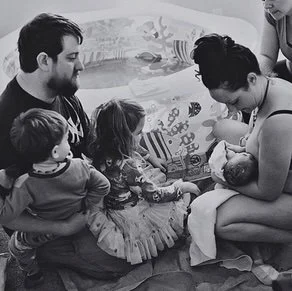
Are precipitous labor sensations much different than those of a longer labor?
This is subjective, some mamas love their fast birth and are grateful for the surprise and that they were not in labor for a long number of hours. Some mamas can find themselves overwhelmed by a labor that ramps up quickly with little warning. It might seem harder to cope when she hasn’t had time to process what’s happening.
It is helpful for the partner to remind her that things are progressing quickly because everything is going right. Helping mama into a side-lying position or hands and knees can help slow things down slightly and give her a better sense of control. Help her tap into her slow deep breathing to keep her relaxed, and when pushing, pant through pursed lips to not only help slow things down, but prevent tearing as baby is emerging.
Tension and fear not only don't help anyone, they make things worse. It is important to stay calm, take some deep slow releasing breaths, feel yourself on the ground or whatever is beneath you. Find your center. And remember, birth works the vast majority of times or we would not have survived as humans; it really is an instinctual process - mamas's bodies know how to give birth and babies know how to be born; we just need to get our minds out of the way. As renowned midwife Ina May Gaskin says..."Let your monkey do it."
Is there any way to predict if I will have a precipitous birth?
There is no real way to know if you will have a very fast labor, although it is more common in mamas who have given birth vaginally before. If you had a fast labor with previous babies, it is more likely you’ll have another fast labor, and you should prepare for one.
If labor begins and contractions are quickly close together (i.e. every few minutes for a first time mom or approximately every 5 minutes for a subsequent vaginal birth), lasting 45 seconds or longer and feel intense enough that you can not talk through them, make sure you don’t wait to contact your care provider. Also, keep your provider updated with changes in a “normal” or fairly typically progressing labor, and definitely if your main bag of water breaks and the amniotic fluid releases.
What else can I do to prepare myself?
Don’t forget to check out my LOVE YOUR BIRTH Online Childbirth Education Course! With 10 educational and empowering videos, and many additional bonus materials, it is everything you need to prepare yourself for the birth YOU want, to feel confident and empowered for however your birth unfolds, and not only ROCK, but also LOVE your journey. I have a whole section on what to do if you have a precipitous labor and birth that occurs before your provider arrives or before you get to your birth setting. The section is devoted to you and to your partner about this topic in much more depth, so that you are both prepared for the most exciting adventure of a lifetime. Learn more here.

All About Placentas
But what happens to the placenta after pregnancy is over? Many people simply allow the placenta to go to medical waste in the hospital or want it to be discarded after a home birth.
However, for those who want to keep or use the placenta, there are several options out there.
Pregnancy, Childbirth, Homebirth, Birth Plan, Postpartum, Baby, Supplements
The placenta is the essential organ that forms during the womb in pregnancy and attaches to the baby via the umbilical cord. It belongs to the baby. It is the only organ essential for fetal survival, but is not needed by the baby post birth, after baby receives the cord blood (1/3 of the baby’s blood supply that backed up into the placenta during birth).
It is the organ that gives baby life; it provides oxygen and nutrients, and also filters waste products. It makes hormones that support the pregnancy, help baby grow and develop, and provides protection against bacteria and infection. Toward the end of pregnancy, the placenta passes antibodies from you to the baby, which can provide immunity for up to three months after birth.
But what happens to the placenta after pregnancy is over? Many people simply allow the placenta to go to medical waste in the hospital or want it to be discarded after a home birth.
However, for those who want to keep or use the placenta, there are several options out there.

Photo by @senhoritasfotografia
Ingestion
Placentophagia is the act of mammals eating the placenta of their young after childbirth. Most mammals, left to birth undisturbed in nature, will consume the placenta, even herbivores. Maybe they do that to prevent predators. It is also theorized that this is done instinctually, because the placenta contains high levels of prostaglandin, which stimulates the uterus to shrink back to its normal size. It also contains small amounts of oxytocin, which can ease emotions after the birth, as well as facilitate breastfeeding.
In humans, placenta ingestion is practiced most often in Chinese medicine, and the tradition is centuries old. Most often, it is dried, steamed, ground, and encapsulated, although some eat it raw in a smoothie or cooked into other foods. It can also be made into a tincture.
There have only been a few scientific studies on the benefits of placenta encapsulation, and they have not conclusively supported or dispelled the proposed benefits. Most information about placenta encapsulation is anecdotal.
In addition to helping the uterus shrink and increasing milk production, ingesting the placenta is said to restore iron levels in the blood, increase levels of stress-reducing hormones, and decrease the incidence of postpartum depression.
If you are interested in encapsulating your placenta, you can look for a certified encapsulation specialist in your area. Certified specialists will have completed encapsulation training. Be sure to research the techniques used to make sure safety and hygiene standards are upheld. More and more childbirth professionals are offering this service, and Dr. Aviva Romm, in her book “Natural Health After Birth” has helpful instructions how to do this yourself.

Art by @phatal_love
Lotus Birth
Lotus birth takes delayed cord clamping up a level. It is the practice of leaving the umbilical cord attached to the baby after birth until it naturally separates, which can take approximately 3 to 10 days days. It is not as essential as refraining from immediate clamping of the umbilical cord at birth, but does have some perks.
In addition to the benefits from delayed optimal cord clamping, of allowing baby to get back essential blood volume, oxygen, nutrients and stem cells for optimal transition to and long term survival earth side, lotus birth encourages baby and mom to stay in extremely close contact, and discourages others from unnecessarily moving the baby. It also encourages mom to stay still and quiet in the days following the birth. It honors the third stage of labor, and allows a more gentle transition from fetus within the womb, to a baby outside in the world.
The placenta does require some extra care for a lotus birth. It should be gently rinsed with water and patted dry, then placed in a sieve or colander for 24 hours to drain. Then, it should be wrapped in an absorbent material, such as a clean dishtowel or cloth diaper, and placed in a placenta bag. There are many different crafty options for these that can be purchased on www.etsy.com. The wrapping should be changed every day.
Alternatively, the placenta can be placed in a shallow bowl filled with sea salt, and sprinkled with sea salt daily to preserve it.

Ceremonial Burial
Many cultures honor the placenta by burying it. Some believe this will give the child a strong connection with the land. Others bury the placenta under a new tree, as a symbol for the placenta acting like the “tree of life” for the baby and believing the organ will bring richness to the soil to help the tree grow. The tree can then be looked upon in remembrance of all the placenta accomplished and the life of the child it nourished.
You can also make a placenta print keep sake. Take the fresh placenta and press the side with all the blood vessels branching out like a tree, against a white canvas or art paper. This can then be framed when dried, or placed in a scrap book - along with a dried part of the umbilical cord shaped in a heart or spelling out LOVE.
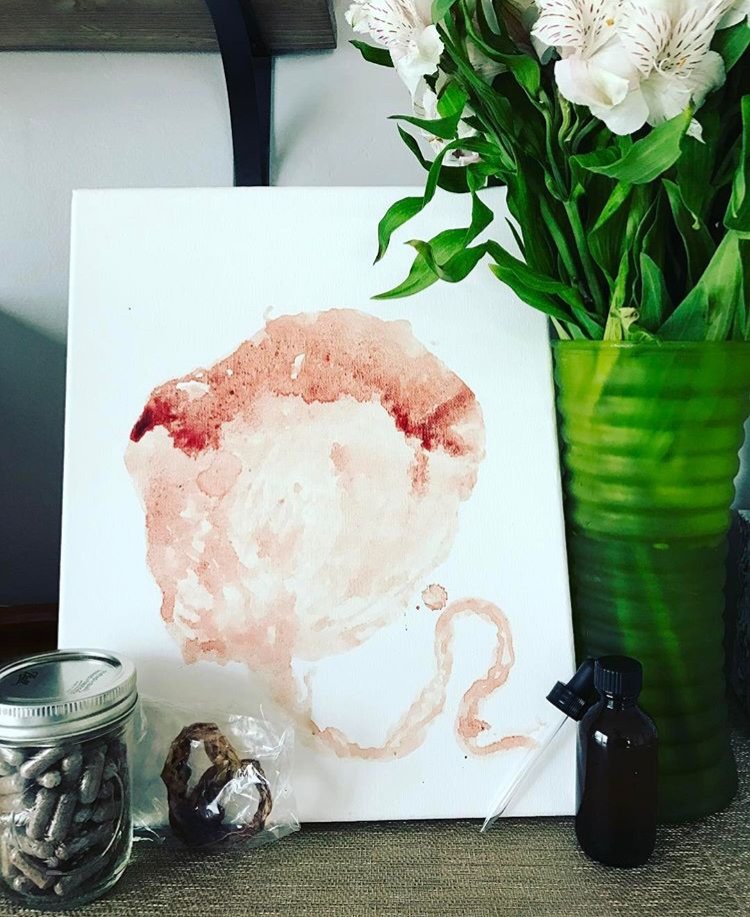
I’ve taken everything I’ve learned, trained and supported women with locally for close to 30 years in my private practice and I’ve poured all of my love, passion, knowledge and experience into creating something truly special for you....
Let me help you have a deeply positive, empowering and joyful journey through pregnancy, birth and being a momma in postpartum with my LOVE YOUR BIRTH online course.
Educate and inspire yourself, ready your body, ready your mind, ready your heart with my list of TOP BOOKS of every category you can imagine listed - with links on where to get them as books, listen on audio, or read them on kindle. The better prepared we are for a situation, the better the outcome will be. I feel passionate about empowering and educating women to get the most out of their womanhood, pregnancy, birth, postpartum, breastfeeding, mama, yoga and life journeys!

Home Postpartum Care: Let’s Talk Breastfeeding
Welcome to the postpartum period, the fourth trimester, a period of healing and adjustment, of getting to know and comfort your baby, and mastering breastfeeding. All your baby needs now is love and breast milk.
Breastfeeding, ask the midwife, holistic healing, natural remedies, newborn care, Postpartum, Supplements, Pregnancy pillow
Postpartum Care At Home: Your Breastfeeding Guide
Congratulations to you and your family on the birth of your baby!
You did it!! You are a rockstar, superhero, however and wherever you birthed. Now it is time for some postpartum care. But through it all, do what you can to go with the flow. Tune into your body and your baby’s natural rhythms. Embrace it all as a normal healthy phase of your life as a new mama, shared with mamas around the world since the beginning of time. Try to have fun with it and keep your sense of humor.
Welcome to the postpartum period, the fourth trimester, a period of healing and adjustment, of getting to know and comfort your baby, and mastering breastfeeding. All your baby needs now is love and breast milk. If you are unable or choose not to breastfeed, consider feeding baby pumped breast milk, or donor breast milk from registered milk banks. Breast milk is the ideal food for your baby, although organic goat milk formula is most similar to human milk and you can discuss best alternative options with your pediatrician.
The rest will follow naturally, as you learn on the job, take guidance from wise experienced others, and let Baby be your teacher. As in pregnancy and birth, trust your instincts and your heart. But do not hesitate to ask for help and support as needed. Hopefully you prepared in your pregnancy so that you are well supported during this sensitive time, as it has always taken a village to raise a baby as well as new parents. A postpartum doula is a must if you do not have family and friends to help you.
Below are some helpful hints to make the next few weeks of breastfeeding easier and more comfortable, so you are more able to heal, enjoy and reflect upon your extraordinary new miracle.
The most important advice is to slow down, stay in the moment, try to resist the temptation to do, do, do...and just be, be, be. Trust that you will heal and get into your breastfeeding routine, as you are perfectly designed to do, given the proper care and support. Do not hesitate to reach out to an IBCLC lactation consultant sooner rather than later if there are breastfeeding issues beyond what your midwife or doula can help you with.

Nutrition for Postpartum Care & Breastfeeding
Maintain at least the same healthy nutrition as you did in pregnancy, especially now for recovery after birth, and during breastfeeding. This will help you to make good quality milk, and nourish your baby as well as yourself. Make sure to eat at least three whole food varied healthy meals and snacks, and even a little bit more than you would normally consume. And keep well hydrated with at least 64 ounces of water daily.
Traditional foods for the early postpartum weeks across cultures typically include soups and stews with a lot of vegetables, including the starchy ones like sweet potatoes and winter squash, stew meat or chicken, and whole grains like barley and oats. Also, do eat plenty of eggs, seasonal fruits and vegetables. Much nourishment can be added to fruit/veggie smoothies, soufflés, whole grain hot cereals, and breads/muffins like zucchini-apple, banana-date or carrot-raisin, enhanced with almond flour or chopped nuts and seeds, nut milk, and eggs.
Herbs and Supplements
Make sure to supplement your diet as in pregnancy, with herbs, vitamins, minerals, omega threes and probiotics to complete nourishment not supplied by diet alone. This will aid in your recovery and help supply all of your and your baby’s nutritional needs. Do increase iron foods and take an herbal iron, especially if you were anemic in pregnancy, have low iron stores, lost a lot of blood at birth, gave birth by cesarean, and/or are still anemic.
Do continue your nourishing pregnancy herbal infusion to your diet but add alfalfa and red clover. You can have a support person make this by:
Blending a handful of dried Nettle leaf, a handful of dried Red Raspberry leaf, a pinch of Alfalfa, large pinch of Red Clover, and several Rose Hips.
Add a pinch of Comfrey to help with healing. (optional)
Brew in a mason quart glass canning jar of boiling water 1-4 hours. The longer the brew, the stronger the taste and effect.
Strain, and drink plain or lightly sweetened with Rose Hip infused honey and/or a splash of fresh squeezed lemon or lime juice.
Enjoy hot or cold, up to 4 cups per day.
You can make it in larger quantities and store in the fridge.

There are some nice herbal breastfeeding teas like those made by Earth Mama Organics and Traditional Medicinals. Use two bags per cup of tea to get the benefits.
You can have your special someone make your own delicious, nourishing combination of herbs that helps with breastfeeding and enhances the nutritional content of your breast milk:
Mix a handful each of dried Chamomile blossoms, Catnip and Blessed Thistle, a pinch each of Fennel seeds and Fenugreek powder or seeds, and a few dried Lavender flowers.
Put 1 tablespoon of the mix in a cup, fill with boiling water, and steep for 10-15 minutes.
Strain in the glass mason jar, and drink plain or lightly sweetened with Rose Hip infused honey, and a dash of anise.
Drink 1-3 cups daily.
Although it is a challenge postpartum, it is so important to avoid fatigue by making sure you are getting extra needed sleep by going to bed earlier, sleeping later, or taking naps when baby naps. A few hours of broken sleep each night is never enough to prevent that feeling of exhaustion and overwhelm from sleep deprivation.
When sleeping, lay down on a firm supportive mattress, on top of a bed board if needed. Some women find the floor or a futon helpful. A MUST is to use an excellent full body pregnancy pillow for additional support. An excellent pregnancy pillow is not only most supportive, they are also ergonomic and deliciously comfortable for safe sleep. Mamas say they make them feel like they are literally sleeping in a cloud each night. And they love that pregnancy pillows still helps them postpartum to find a comfortable position to rest, sleep and even breastfeed.
My favorite pregnancy pillows are full body U shaped all in one pillow, with an attached pillow for between your legs or to wrap your legs around. They are designed to cradle your head, back, belly, hips, and legs in optimal alignment. No more tossing and turning, pulling or straining.
Pregnancy body pillow adapts to your body’s pressure points, promoting blood circulation, reducing back pain and hip strain while maintaining natural spinal alignment for deeper, restorative sleep. It releases your body pressure, effectively relieves back and hip pain as well as leg swelling so you can sleep more deeply all night long. Full body pregnancy pillows are designed to replace the need of multiple bed pillows. It hugs your entire body and conforms to both sides, perfectly support the head, shoulders, the entire back, belly, sides, legs - even the knees, feet, pelvis and hips.
If you can not fall asleep, practice savasana or “corpse pose”: yoga’s most important experience. Simply lie down in a quiet space for at least a half hour, keeping your focus on your breath or between your inner eyebrows, while allowing the muscles to melt and releasing any tension in your body with each exhalation. Even 20 minutes of this is like a 2 hour power nap for the body.

Breastfeeding
Your newborn baby’s stomach is tiny, like the size of a cherry the first few days, a small apricot at one week, and a large egg at one month of age. Only tiny amounts of milk are tolerated initially. Expect your baby to drink about 1-1 ½ tsp per feed on the first day, 1½-2 ounces by one week, and 2 ½-5 ounces per feed by one month of age.
The liquid gold colostrum that your breast produces makes no more than a few teaspoons per feed, but when your full breast milk comes in, you will have more than enough to accommodate. Often women have a misconception that they do not have enough milk when they have exactly what baby needs, and they get into a tension and supplemental feeding cycle that actually does decrease supply.
If you had labor or birth complications, needed epidural or spinal anesthesia, baby was birthed by cesarean or had to be in the intensive care, establishing breastfeeding can be more challenging at first. Get help by a certified lactation consultant (IBCLC) as soon as possible if there is any difficulty. Baby-friendly hospitals should all have them on staff, or you can ask your midwife, pediatrician or local La Leche leader for recommendations. If you need additional guidance to boost low milk supply first follow these steps.
All you may need to do is keep nice and calm with baby skin to skin and nurse more frequently, avoid formula and glucose water, and do not use pacifiers until your breastfeeding is well established.
You can increase emptying if needed, which boosts your supply, by using a double electric breast portable Willow pump every 2-2½ hours for 15-20 minutes, but know that a healthy baby is the best breast pump. If you do pump, freeze the milk for later use, like when you need to go out or want a break from a nightly feed. Take herbal combinations like More Milk Special Blend, drink non alcoholic beer or Hops tea and several cups Sesame milk daily. You may need to add increased amounts of the individual herbs like Goats Rue, Blessed Thistle and Fenugreek, 2-3 capsules each up to 3 times per day, or add the tincture of More Milk Special Blend, 2 ml 4 times per day to increase your supply.

Treating Breast Engorgement
Your breasts will begin filling with milk and can become engorged by the third or fourth postpartum day whether or not you are breastfeeding. Initially, you may notice that your breasts become larger, fuller, heavy, lumpy, slightly tender and warm. They may leak milk and you may notice a short-lived low grade fever. The skin of the breasts may be pulled tight and become shiny, hard, painful and throbbing, and the baby might be less able to grasp the nipple.
Suggestions to minimize discomfort with breastfeeding:
Practice early, frequent breastfeeding (on demand or every 1½-3 hours) without supplemental bottles for at least the first month. The breasts will learn to replace only what baby takes. (This is a good reason not to pump significantly in addition to nursing initially, as breasts will replace that too). Allow the milk to run freely into a bottle from one breast as the baby nurses on the other side. The bottled milk can be frozen for a later nighttime feed your partner can give Baby to give you some needed sleep once engorgement resolves.
If Baby is having a hard time latching, try manually hand expressing a small amount of milk before nursing. You can also do so afterwards if still uncomfortably full after each feeding.
Rub Arnica oil gently over breasts, except nipples, then apply a comfortably hot washcloth/compress or stand under a warm shower 5-10 minutes before nursing.
Gently massage breasts downward while nursing using Arnica massage oil or lotion.
If you are uncomfortable between feedings, you can let comfortably hot shower water run over your breasts and massage them downwards using a fine tooth comb dipped in soap, or gently hand express just a small amount, or soak your breasts into a sink full of comfortably hot water. If engorgement is severe add 1-2 ounces of Marshmallow root tincture to the water.
For severe engorgement, apply cold packs just during the short term period of extreme discomfort. Ideally, make these by defrosting frozen cabbage leaves rolled over with a rolling pin.
Apply cold compresses of Comfrey (soak washcloths with the tincture and store in the fridge). You can try comfortably hot Comfrey compresses and add Parsley tincture.
If you are not nursing and need help drying up your breastmilk, drink lots of Sage tea and do not pump.
Report any areas of increased heat, redness, swelling and severe pain; fever over 100.4 after the first few days; and chills, headache and generalized aches like you have the flu.
Sore Nipples
Your nipples may be tender or sore during the first week or so of getting accustomed to breastfeeding your baby, whether you are a first time mom or have nursed successfully before. You may also feel some pain, usually lasting no longer than one minute, each time the baby latches onto the breast in these early weeks, which lessens as baby nurses. If your baby is improperly sucking, or incorrectly positioned, your nipples can become very sore and the pain is intense the entire feed.
Suggestions to minimize nipple soreness are:
Remember this pain is temporary as your nipples adjust to normal healthy breastfeeding, and use your tools from labor and breathwork to breathe and relax into the sensations rather than to fight them.
Have an experienced person observe for proper positioning, latch and sucking during breastfeeding from the beginning, especially if you have severe nipple pain during the entire feed and your nipples are very sore.
Release the baby’s suction with your finger before removing the nipple from the baby’s mouth anytime you need to stop the sucking, especially when the latch is shallow.
Soak nipples in a cup of 0.9% physiologic saline solution, then expose breasts to fresh air 20 minutes after each feeding, ideally in the sun, in front of a 60 watt light bulb, or a blow dryer. Yes, spend some time topless.
Apply some breast milk to the nipple.
Avoid synthetic breast creams and nipple shields.
If mild, massage plain organic Cocoa Butter, Almond oil or Vitamin E onto the nipples after each feeding. If without relief, apply homeopathic calendula cream or herbal salve made with Calendula, Marshmallow, Aloe Vera, and Chamomile, or Lanolin designed for sore nipples after each feed and gently remove any residue before nursing. Apply pure Aloe Vera gel to the cracks and cuts, as well as Comfrey, but wipe off before nursing so baby does not ingest it. Try several formulas and see what feels best for you.
Nurse more frequently for shorter periods of time.
Alternate positions of nursing each feeding to vary pressure points on the nipple.
Initiate nursing on the least sore side. You can nurse only one breast a day to allow the other to heal, pumping the sore breast to relieve engorgement during each nursing session. Then nurse the alternate breast the next day (pumping the other), and continue this until nipples have recovered.
Take a daily bath or shower, washing nipples with water only (no soap).
Wear all cotton bras, avoid tight bras, and minimize the use of breast pads. If breast pads are occasionally needed, use organic bamboo or cotton washables or nontoxic disposable breast pads without plastic, changing when wet to keep nipples dry.
Report to your practitioner if your soreness lasts longer than a week or is getting worse, if your nipples are cracked and bleeding, or severe nipple pain persists during entire feed indicating a latch issue.
Need more help from me?
Check out my online Love Your Birth comprehensive prep course for pregnancy through birth, postpartum and breastfeeding - an insider’s Guide to the joys and challenges of recovering from birth and getting the breastfeeding in these modern times created by a seasoned holistic nurse midwife who has seen everything! Learn simple tricks of the trade to make the journey to motherhood more holistically healthy and fulfilling.
You will have direct access to me through the Love Your Birth course Guides if you bundle with a coaching call with me.
I can help you:
Help yourself breastfeed healthfully and successfully
Get the support and guidance you need to answer all of your questions to create a breastfeeding experience you love and treasure forever
Understand holistic modalities on breastfeeding issues
Get the support and tools you need for stress reduction
Answer questions and make informed decisions
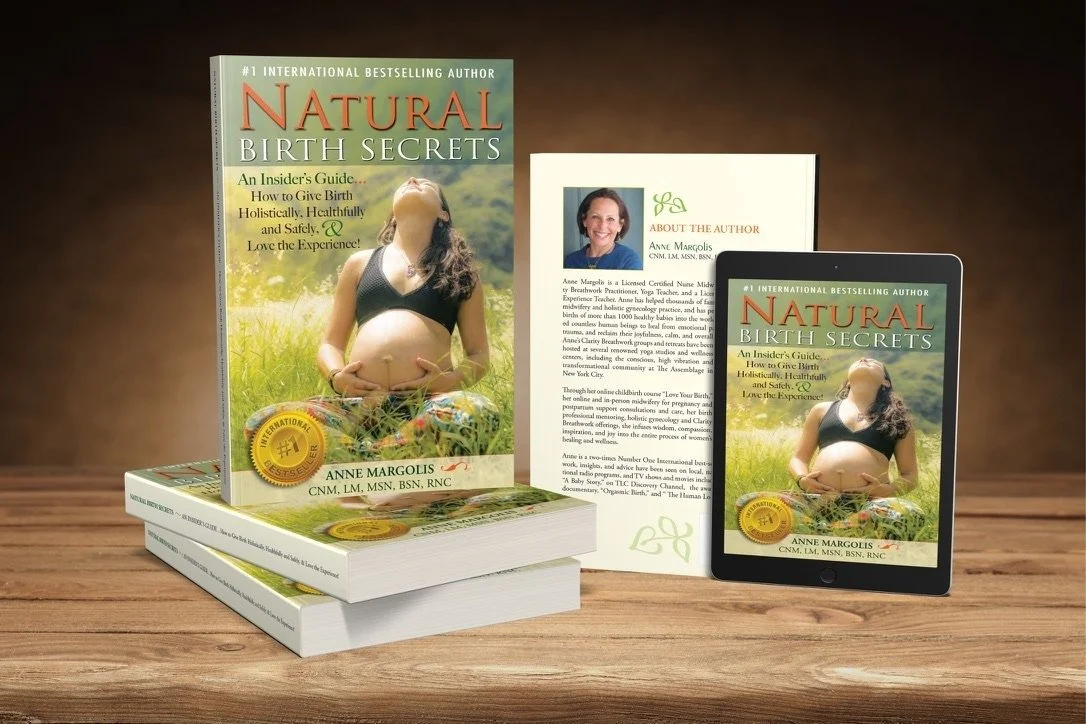
My Natural Birth Secrets book 2nd edition has helpful tips as well, and is an excellent resource in adjunct to the Guide.

Relationship With Your Partner & Sex Postpartum
Excerpt

Relationship Issues
Having a baby, while associated with immense joy and euphoria, is a major life change for both you and your partner, and can affect you both individually and as a couple. Although it can bring couples much closer than before, postpartum can be challenging for your relationship with your partner, even if it was wonderful before and during pregnancy. And all the more so if there are ongoing difficulties and unresolved issues between you.
Your partner may be going through a variety of personal emotions, such as:
Recovering from the intensity of labor and birth
Questioning their performance and ability to provide sufficient support for you and the new baby
Fatigue from lack of sleep and doing a lot of extra work around the house
Struggling with an increased sense of responsibility and finances
Anxiety over you and your baby’s well being
Balancing outside pressures from work
Taking care of their own health needs
Conflict regarding new role as a parent, especially if they had issues with their own parents
Guilt about not being able to completely fulfill professional responsibilities or meet your physical and emotional needs
It is a time for healing and integration for your partner as well, and they may also feel overwhelmed, stressed and exhausted. Although you need lots of care and support, your partner may also. Tensions can escalate, so be mindful of doing what it takes to minimize or diffuse them. It is important each day to spend even just a few minutes alone to talk, laugh, hug, have a good cry if needed, and let each other know you appreciate and love each other. Individual or couples counseling by a holistic qualified therapist or life coach may be needed down the road, and have helped many adjust to this major life change in healthy transformative ways.

Postpartum Sex
It is normal to have a decreased interest in sex for several months after having a baby, but once you are ready there are ways to navigate the journey and reclaim your sensual sexual relationship. It is safe to resume sexual intercourse when the vaginal bleeding has stopped, after the perineal area has healed, and after your 5-7 week postpartum checkup is normal.
Suggestions to make your postpartum sex life better are to:
Communicate your temporary limitations to your partner. Be honest and tell them how you are feeling.
Include your partner in the postpartum experience since they often feel left out.
Until you feel comfortable having intercourse, just cuddle, kiss and spend some sensual, affectionate time together doing recreational activities you enjoy. Focus on the pleasure of being together.
Practice mula bandha exercises several times per day to strengthen your pelvic floor.
When ready to try intercourse, plan a date together with your partner when you expect the baby to be sleeping. Be prepared for occasional interruptions and keep your sense of humor. Remind them to be gentle as it may still be tender inside.
Use extra lubricant. Explore the various natural scented and unscented sensual massage oils and see which one you like best.
Experiment with different positions. Try being on top, or a pillow under your buttocks with you on the bottom for comfort.
Take Maca powder or capsules to support a healthy stress response, balance hormones and enhance your sex drive
Seek help if the sexual problems between you and your spouse run deeper than this, if you have worsening pain during sex, or if your discomfort or lack of sexual desire or feelings do not resolve over the next few months. Remember that if you are interested in preventing another pregnancy at this time, or if you feel that you cannot handle having another baby so soon after this one, do not resume intercourse until you have discussed contraceptive options with your practitioner. Whether or not you are breastfeeding, you can become pregnant as early as five weeks postpartum.
As always, if you need more personalized support and guidance, schedule a chat with me so I can advise you about the best supplements, remedies and dosages specific to your situation.
With care,
Anne 🩷

Meditation, Breathwork, and Visualization: Tools for Childbirth and Stress
Excerpt

Here are a few meditative breathwork and visualization techniques you can practice regularly in pregnancy or anytime really, so that you are more prepared and empowered, and can more easily do them in labor and during any life challenge.
How do I get started?
Meditation
Begin meditating by finding a quiet place where you will not be disturbed, set an alarm with a soothing sound, for 2 or 3 minutes. Sit tall or lay down comfortably, softly close your eyes and turn your attention inward. During this time, allow yourself to just BE and breathe, and rest in peaceful stillness without having to DO anything. Allow your mind to be totally immersed in the process of breathing and being. Bring awareness and acceptance not only to your breathing, but also the sensations you notice and feel in your body. If a thought or emotion comes, notice, allow, let it be or go, and settle back into your breathing. This is a conscious training of your mind, and like any muscle, requires regular practice. It is an ongoing practice, that changes and evolves as you change and grow. There is no need to control anything. It is kind of like surrendering, letting go to whatever you experience in your mind, body, heart and spirit – without any interpretation, judgment, reaction or need to fix anything. Simply watch what is happening within, as a detached witness. This enables you to be mindful in the now, the only place where your life is happening, and is a wonderful way to become present, out of your busy thinking mind, relax and connect more deeply to yourself and your baby. Staying aware, calm and present are key to an easier labor and life.
Another form of mediation involves a conscious effort to completely focus your mind’s attention on something specific. As above, set a soothing alarm for a few minutes, take a few moments to get into your meditative state. Then do one of the following and vary it up each time until are see which ones resonate most with you to practice regularly, so you have a variety to choose from that work best for you at the time. This could be gazing at simple object like a candle, towards the tip of your nose or the space between your eyebrows (even if you can not see it with your eyes), the horizon or a beautiful natural scene; listening to repetitive simple sounds in nature like ocean waves, rain, a flowing stream, relaxing chimes or for example Gregorian chants; engaging in something that requires complete attention and immersion like yoga or creative expression; doing rhythmic repeated movement like dance, walking mindfully or touching the tips of your fingers in sequence, using objects like mala beads, touching each one while reciting or singing a mantra or yoga sutra; saying chakra syllables, mantras, or simple affirmative words or sounds like “AhhhhhOmmmmmm” , “Shhhhhhhh”, “Release”, “Open” ,“Let Go” , etc.

Breathwork
To practice, sit tall with your buttocks perched up on two folded blankets, against the wall or back of a chair; or lay down on a comfortable flat surface without falling asleep, (but once you hone these skills you can do them anywhere); close your eyes softly, and try each technique for a few minutes. Notice how you feel as you relax into these practices. You might like them so much you will continue for longer.
1) Simply watch the details of your breath without fixing them – notice the inhale, and exhale, the rise and fall of your chest and belly, the coolness of the air going in, and the warmth of the air going out, and any other associated details.
2) Place one hand on your belly and breathe into your hand, notice the expansion of your belly into your hand and lower back into the surface behind or beneath it for a minute; then place your hands around your lower ribs and breathe into your hands, notice the ribs expand out to the side into your hands for a minute; then place a hand on your chest and notice the rise of your chest into your hand, and the expansion of your upper back into the surface behind or beneath you for a minute. With your hands by your sides, draw your breath deep down towards expanding your pelvic floor and inflating your entire torso like a balloon with each inhale, then release even deeper on each exhale as you empty your body of breath. Keep it smooth, fluid and even, for a minute or longer.
3) Breathe in a one to one ratio - count to three as you inhale, then count to three as you exhale. With practice, you can increase the ratio increments to 4:4, 5:5 or 6:6. Try holding for one count between each inhale and exhale and inhale again. Notice that stillness in between inhalation and exhalation.
4) Practice Ujjai breathing. This is a wonderful natural tranquilizer and awesome for yoga, deep relaxation and labor. Breathe at the pace and depth that feels right for you, but by inhaling through your mouth or nose, directing the breath into the back of your throat which makes a sound like ocean waves (it is a calm, slow, and smooth circular version of gasping on inhale and fogging a mirror on exhale).
5) Do alternate nostril breathing at a pace and depth that is comfortable - this is also extremely calming. Place your hand, fingers facing down, above the roof of your nose. Inhale, then occlude your right nostril with your thumb and exhale through the left nostril, then inhale through the left nostril. Take your thumb off your right nostril, occlude your left nostril with your ring and middle finger and exhale through your right nostril. Inhale through your right nostril then take your fingers off your left nostril for exhale. Repeat this cycle for at least a minute. If your nose is stuffed, you can visualize or imagine breathing in this way.
Visualization
In a meditative state, while breathing at a pace and depth that feels most calming for you, you can incorporate a visualization, unique to what you need at that moment. These are only a few examples, that have helped many mamas. As with the breathwork, experiment, sit with each one for a few minutes, see what resonates most, then incorporate a few you like best, into your regular practice, so that you have several to choose from when you need them.
1) You can visualize and literally direct your breath, the life force, to areas of need, intense sensation and discomfort. You can direct your breath in various directions to achieve different results.
2) To connect with your baby, you can dwell on your feeling of love for your baby. When breathing, you can imagine that feeling to grow and expand, as you imagine your inhale going right to your heart center, and then on exhale, imagine sending that breath, that feeling of love energy directly to your baby, surrounding your baby. You can give the energy a color if you want. Imagine your baby smiling and basking in the love you are sending, and then visualize a direct impenetrable line of light, color or energy connecting your heart with your baby, like a phone line, always available for connection.
3) To feel grounded, if seated, imagine roots extending from all points of contact between you and the surface beneath you, extending deep down into the earth center. Inhale breath from your crown, and exhale directing your breath down your spine, and out through the roots, which draw you further down and heavy. Each exhale your breath extends out through the roots, growing them even further down and spreading out into the earth beneath you. If you are lying down, imagine the breath coming in through the front of your body, and exhale out the back of your body, with the same root visual. Feel the pull of gravity down, as the roots wrap around you and hold you secure. Inhale deep into your core, where there is an eternal candle flame, and on exhale spread that fire to fill your heart, abdomen and pelvis, and repeat breathing with this visual.
4) To feel centered, imagine a straight sparkling rod of steel, diamond or golden light extending deep into the earth center, running up your spine, from your sacrum to your crown, and up into the infinite space above. If you are interested in the chakras, see and sense the circular vortexes of energy in their colors around and up your body’s center, from the red at your root, then orange at you pelvic area, yellow at your solar plexus, green at your heart space, turquoise at your throat, indigo between your eyebrows, golden white at your crown just above your head.
5) To feel protected, visualize inhaling a spiritual, healing energy, light or color from your crown, and exhale directing your breath, that energy, light or color to fill your entire body, head to toe and completely surround you like a fortress or eternal spiritual bubble that can not be broken. Sit in that visual so that you see it, feel it, sense it, know it.
6) To feel cleansed, inhale from top to bottom or from front to back, a healing color, spiritual energy, or white/golden light filling your body. If you are carrying around anger and rage, for example, exhale all the red fire and loud screams out of your back or any points of contact between you and the ground. If you have sadness, grief or despair about something, use the visual of a powerful waterfall or fire hose of tears forcefully exiting your body on exhale. If you have blocks or baggage that weigh you down, use the visual of multiple bricks and heavy rocks exiting your body on exhale. For release of all negativity, toxins, beliefs and habits not serving you, use the visual of black smoke exiting your body on exhale. Or come up with your own visuals that resonate more with you.
6) To feel strong and magnificent, sit tall with the visual of a huge radiating sun, the eternal light of your spirit filling your heart center, big and huge, extending out in all directions.
7) To feel calm and blissful, imagine yourself in your happy place in all its detail. What does it look like, feel like, sound like, smell like, taste like. Let those feelings take over. Many tend to visualize themselves in a tropical paradise, by the sea, in the mountains, in a cave, floating on a cloud in a blue sky of beauty, by a lake or in the stillness of the forest. Or, imagine yourself so relaxed, that you are like a sleeping cat, a napping dog, or like a rag doll – totally surrendered, limp and released without ANY muscle tension. See any residual tension melt completely, as a tiny piece of ice quickly becomes water on exposure to heat, and watch that water flow down and away from your body.
8) Specifically for labor, there are some common ones that many mamas like to use. Often it helps a mama during childbirth to visualize the waves of the rise and fall of the sensations of labor, like the rise and fall of the waves of the ocean that rise and fall, and come and go. Others like to imagine the surges to be hugs to the baby. It also helps mamas to visualize the cervix, the tightly closed, long, thick and firm entrance to the uterus during labor, and the birth canal and the perineum during pushing, to soften and open like a rose bud blossoms into a flower. The ring of fire commonly referred to when the baby crowns, can be seen as the ring of flowers, or one big opening lotus or rose flower.
What matters is that whatever you are visualizing, comforts and helps you. Through taking responsibility for your own state of mind and well being, by daily practice of meditation, breathwork and visualization, you are empowering yourself with tools for labor and life’s challenges, and helping yourself tremendously. They can make you feel like an active participant in your pregnancy, childbirth and life experiences – labor and life are not just happening to powerless you; you are present within it, working with it, helping it along, taking positive steps to do what you can to bring your baby into the world with more ease and cope most effectively with whatever comes your way.

Planned Unassisted Freebirth
I get wanting privacy and to feel completely safe without any interference, and the potential negative effect of anyone’s behavior, even well-meaning, on your emotions, stress labor and ultimately labor during such a sensitive and sacred time as giving birth.
Birth Plan, ask the midwife, Childbirth, Homebirth, labor, Midwife, maternity care, Pregnancy
I come on here in a very honest and vulnerable place, but I feel it is important to share my thoughts with you, and where I stand on this matter!
I totally understand where many of you are coming from in wanting to stay out of standard hospitals that are failing healthy expecting families, and many do not feel they have other local options and want alternatives. Totally! I get the limited options for VBAC, twins, breech birth and even going past due date. I get the financial and insurance limits. I get that people are feeling some midwives act more like doctors or practice too medically. I get wanting privacy and to feel completely safe without any interference, and the potential negative effect of anyone’s behavior, even well-meaning, on your emotions, stress labor and ultimately labor during such a sensitive and sacred time as giving birth.
Those wanting a homebirth or birth center birth are not getting the support they need either as there are not enough trained homebirth midwives or birth centers to go around. Even midwives who want to practice home or birthing center birth are bound by legal restrictions or their hands are tied by collaborative back up unsupportive physicians and hospitals. Many licensed legal providers are also restricted by state regulations, insurance policies, local standard of care, and even each of their own comfort level and sense of safety, fears related to previous bad outcomes impacting their current care. I get it. My heart goes out to all of you. I will continue to do my best to help.
But I can not keep quiet about planned unassisted freebirth at home. I implore you to find a homebirth midwife, if you want a homebirth. I must uphold safety of mom AND of baby, who does not have a say in this discussion. The research supports the safety of homebirth with homebirth midwives, NOT without them. Those whose planned unassisted freebirth went well are blessed. I fully support unassisted birth in all settings...with midwife there in the background at least as a lifeguard just in case.
As a homebirth midwife for nearly three decades, who has also worked in birth centers and supportive hospitals, I have seen enough situations in which healthy mom and/or baby had an unpredictable complication or emergency and would have been seriously damaged or died had I or another trained attendant not been there to literally and immediately save their lives. Period. Time was of the essence. Your midwife is ideally, at least the lifeguard for you and your baby. For the rare and uncommon.
Many mamas want the full midwifery supportive care experience and all of the other benefits that come with having a wonderful authentic midwife. Part of that care is having a close relationship where you feel heard, respected, safe and secure, where there is full trust in a healthy women’s ability to grow, birth and breastfeed her baby until proven otherwise.
Yes, most births go well, and all is beautiful & groovy...until it is not, and then it is so not groovy. That is when you REALLY need an excellent midwife. I have helped families with train wrecks of tragic disasters transferring to a hospital too late from a freebirth when I do shifts in the hospital. I also had to help countless women who reach out to me for guidance and help processing and healing the trauma, the shame and guilt of an unassisted birth gone bad.
This is not the typical fear mongering you get by the medical profession, fearing you into unneeded risky interventions when all is well. It is a legitimate real danger, and it is not a subject I can simply sugar coat. It is you and your baby’s life at stake.
The freebirth movement is doing you a disservice by telling you otherwise, that there are risks in everything, that you can train to resolve any birth emergency, even shoulder dystocia and postpartum hemorrhage - which is so not true. And I have devoted my entire career to empower women. I am also grateful for awesome midwifery and even medical/surgical care when needed and lifesaving. These are not contradictory.

Go deep. Meditate on what is best for you and your baby, how you would feel if that happened to you. Or if you went to the hospital as planned & some disaster happened. Make sure you could live with your decision no matter what the outcome.
Then you will labor best where you are most comfortable, knowing there are never any guarantees in this field. And do consider the options of traveling more of a distance to get a midwife, like people traveled to Ina May Gaskin’s center at the Farm in Tennessee to get the birth they wanted. Or hire a traveling midwife. You may also be able to find the most supportive midwife or obstetrician and birthing center or hospital and exert your legal right to have a completely beautiful undisturbed physiologic birth through postpartum without any intervention unless absolutely medically necessary and life saving.
I have helped many mamas achieve just that. It takes research, preparation and advocacy, having lots of conversations with your provider and setting in pregnancy but is more doable than you might think.
A mama took my Love Your Birth online prep course and respectfully convinced a very medical obstetrician with high rates of induction and cesarean - her only local option, who has not even seen natural birth - to be there outside her room, just in case, until the actual birth. She surrounded herself with support she needed while in labor.
Not only did she have a transformative empowered birth experience she dreamed of and planned for, but her doctor was completely humbled, transformed and brought to tears as well….just think of the ripple effect that will have on his future practice for other mamas! Also there are many authentic wonderful midwives out there who do support undisturbed beautiful birth and have holistic approaches - there are different type of midwives….you might just need to dig deeper and do more research.
This is one of the most important days of your life. Choose wisely.

When to Call Midwife in Labor
Labor doesn’t always follow a textbook pattern. So how do you know when it’s actually time to call your midwife, go to the birth center, or head to the hospital?
Birth Plan, ask the midwife, Cesarean Prevention, Childbirth, Homebirth, labor, Midwife, Pregnancy, VBAC

When to Call Your Midwife (or Go In): A Real Talk Guide to Timing Labor Right
If you’ve been told to follow the 5-1-1 rule (contractions every 5 minutes, lasting 1 minute, for at least 1 hour), you’re not alone.
But here’s the truth: for most first-time vaginal births, that rule is usually way too early. And for people who’ve birthed before—especially those with fast labors—it might already be too late.
Labor doesn’t always follow a textbook pattern. So how do you know when it’s actually time to call your midwife, go to the birth center, or head to the hospital?
Let’s break it down:
Birth Timing Isn’t One-Size-Fits-All
Every body—and every birth—is unique. Some labors start with strong, spaced-out contractions. Others begin with frequent, mild ones. What matters most is how the labor feels, how you’re coping, and what your body and baby are telling you.
Here are a few real-life scenarios I’ve seen:
Every 2–3 minutes, but only 30–45 seconds long, and you can talk through them?
Probably still early labor—even if they’re close together.Every 6–8 minutes, but you’re moaning, can’t speak, and need to stop everything during a wave?
That’s active labor, even if they’re spaced out.
So, instead of using a stopwatch alone, pay attention to:
The intensity of the surges
How you feel emotionally
Whether you can rest, eat, or talk during them

Stay in regular contact with your midwife. You’ll check in early and then again when things shift. You don’t need to call at the very first signs of labor or your bloody show—especially in the middle of the night.
Unless something feels urgent, it’s okay to wait until morning to connect—so you, your partner, and your team can rest for the journey ahead.
When to Call:
You feel like things are picking up steadily over time
You’re feeling emotional, intense, vocal
You’ve had a previous fast labor
You feel pushy or like you have to poop
Water breaks and fluid is green/brown
You notice less baby movement even after a snack, juice, or some rest
You’re just not sure and need to talk it out
Your midwife knows you and your history. Often, after just a short phone call, I can tell exactly where a mama is in labor.
If You’re Planning an Unmedicated Hospital Birth
Unless you’ve had a precipitous birth before (start to baby in under 3 hours), your best bet is to stay home as long as possible in healthy labor—especially if everything is normal and baby is moving as usual.
Why?
Hospitals are great at managing emergencies—but not so great at supporting undisturbed physiological birth. Their priority is quick, efficient delivery. And that can trigger the cascade of interventions: early admission → more monitoring → less freedom → higher risk of things you may not want.
You labor best when:
You’re undisturbed
You feel safe and private
You can move, eat, vocalize, and ride the waves your own way
If you're coping well, let things unfold at home where your oxytocin can flow.
What to Do at Night in Early Labor
If you’re in early labor at night:
Keep the lights off
Breathe and rest between contractions
Try to sleep or doze, even for 10–15 minutes at a time
You’ll need your energy later. So will your partner. You’ll be in touch with your midwife when the time is right.
A More Useful Gauge for Active Labor
Especially for first-time vaginal birthers, look for:
Contractions every 3–4 minutes
Lasting 60–90 seconds
For at least an hour
You can’t talk through them, you’re moaning, roaring, moving instinctively
And most importantly: They’re getting longer, stronger, and closer together.
If you’re not sure—it’s always okay to call your doula or midwife and talk it through.

If You’ve Given Birth Before
The focus shifts more toward intensity and emotional cues than just timing.
Some mamas have on-and-off early labor for days or weeks, but once things pick up—they can go fast. If you’ve had quick births before, stay in close contact. I often prefer to get there early and wait nearby than risk a car or bathroom baby.
Don’t Forget the Practical Stuff
Always consider:
How far away you are
Traffic and parking
Time of day or night
Snow, storms, or anything that might delay travel
Sometimes arriving “too early” is better than rushing—or not making it at all.
Trust Your Gut, Stay in Contact
You don’t need to overthink this. Stay in contact with your midwife or birth team, and trust that together, you’ll know when it’s time to go or have them come to you.
Call if:
You’re worried
Something feels off
You feel pushy
Baby isn’t moving normally
You just need reassurance
We’re here for all of that.
You’ve Got This
No matter where or how you give birth, when you understand how labor works—and what your body really needs—you can rock your birth.
You don’t need to follow outdated formulas.
You don’t need to rush into the hospital too soon.
You do need rest, trust, a supportive team, and the freedom to birth your way.
📘 Want to go deeper?
I dive into all of this—and so much more—in my Online “Love Your Birth” Comprehensive Prep Course, where you’ll learn how to prepare, cope, advocate, and thrive during your birth journey.
Don’t forget to check out my LOVE YOUR BIRTH Online Childbirth Education Course! With 10 educational and empowering videos, and many additional bonus materials, it is everything you need to prepare yourself for the birth YOU want, to feel confident and empowered for however your birth unfolds, and not only ROCK, but also LOVE your journey.
I have a whole section on what to do if you have a precipitous labor and birth that occurs before your provider arrives or before you get to your birth setting. The section is devoted to you and to your partner about this topic in much more depth, so that you are both prepared for the most exciting adventure of a lifetime. Learn more here.
In adjunct to my course, get my Natural Birth Secrets book second edition - your best childbearing reference for the entire journey to having a baby…..from holistic modalities to common discomforts to in depth discussions on hot topics.

Natural Ways to Sleep Better During Pregnancy: A Holistic Guide for Mamas-to-Be
Pregnancy can make sleep feel like a distant dream. Between aches, baby kicks, hormonal shifts, and an overactive mind, insomnia becomes an unwelcome visitor for many expecting mothers.
ask the midwife, Pregnancy, prenatal care, Supplements, Pregnancy pillow
Let’s be real—pregnancy can make sleep feel like a distant dream. Between aches, baby kicks, hormonal shifts, and an overactive mind, insomnia becomes an unwelcome visitor for many expecting mothers. As a holistic nurse midwife, I often hear, “I’m tired but I just can’t sleep!”
The good news? You’re not alone—and there are safe, natural ways to support restful sleep during pregnancy. Let’s dive into gentle strategies to help your body relax, your mind slow down, and your whole being settle into deep, restorative rest.
First, Don’t Panic If You're Awake at 3 AM
If you’re managing to function during the day, your body might be getting enough rest even if your sleep feels broken. But if you're feeling exhausted, burnt out, anxious, or moody, it may be time to make sleep a higher priority—right up there with eating well and moving your body.
Pro Tip: If insomnia was a struggle before pregnancy, check in with a holistic or integrative provider to rule out deeper causes like thyroid imbalance, anxiety, or chronic stress.

Natural Insomnia Prevention: Start with the Basics
Here’s what to avoid 4–5 hours before bed to help you wind down easier:
🚫 Caffeine (coffee, tea, chocolate, soda)
🚫 Heavy meals or processed foods
🚫 Excess fluids (to avoid 3 am bathroom breaks)
🚫 Emotional or intense conversations
🚫 Scrolling social media or news
🚫 Blue light (from screens)
🚫 Vigorous workouts
Instead, opt for calming routines, gentle stretching, and a light snack that balances blood sugar—think gluten-free oatmeal with nut milk, or apple with nut butter.
Honor Your Sleep Rhythms
Your body has a natural clock, so give it the rhythm it craves:
Aim to go to bed around the same time each night (ideally before 11pm)
Get sunlight during the day—especially morning light
Keep evenings dim—use amber lights, candles, or salt lamps
Sleep in a cool room (mid-60s°F is ideal)
Keep phones and computers out of your bedroom (seriously!)
Need to break up with your phone at bedtime? Check out “How to Break Up With Your Phone” by Catherine Price—your nervous system will thank you.

Make Evenings Sacred: Your Wind-Down Routine
Design a nighttime ritual that feels like a warm hug:
Soak in an Epsom salt bath with lavender or chamomile oil
Read something soothing—not thrilling
Try 5–15 minutes of Yin or restorative yoga
Do calming breathwork (more on that below)
Listen to relaxing music or use sleep meditation apps.
Breathe Your Way to Better Sleep
When stress is high and your mind is racing, your breath is your superpower.
Try these simple exercises:
Deep Belly Breathing
Inhale for 4 counts, Exhale for 4 counts, Repeat 8 times
Want more calm? Extend your exhale—inhale for 4, exhale for 6.
Box Breathing
Inhale for 3 counts, hold for 6 counts, exhale for 6 counts, hold for 3 counts
Repeat for 5–10 minutes
Forced Exhalation
Breathe out completely, let breath naturally come in, repeat for a few minutes
These practices calm your nervous system and help your body switch from “fight or flight” to “rest and digest.”
Stress Reduction = Sleep Support
Stress and pregnancy go hand in hand—but you don’t have to stay stuck in high gear.
Here's how to find your inner calm:
Set boundaries and say “no” when needed
Ask for help (yes, really!)
Take “healing intervals”—short breaks to do nothing
Practice mindfulness, meditation, or yoga - (especially Yin, prenatal, gentle and restorative)
Surround yourself with people and environments that feel safe and soothing
Bedtime Teas & Natural Remedies
Try these gentle, nourishing herbal teas to sip in the evening - many are available in my online holistic apothecary.:
Evening Sleepy Tea Blend
Chamomile
Lemon Balm
Lavender
Steep 1 tsp of each herb in hot water, cover for 15–20 minutes, strain and enjoy. Sweeten with a little honey or lemon if you like.
Magnesium & Calcium
Take 500–1000 mg magnesium (Natural Calm is a great option)
Pair with 500–1000 mg calcium if needed
Herbal Support (after first trimester):
Passionflower – for anxiety-related insomnia
Chamomile tincture – gentle and safe
Skullcap, Lemon Balm, or Motherwort – calming nervines
CBD (from pure hemp oil) – gentle calming (talk to your provider first)
Need more targeted support? Look into flower essences like White Chestnut for racing thoughts, or consult a homeopath or naturopath for customized guidance.

Sleep Hygiene 101
Let’s set the stage for sleep success:
Keep your bedroom cool, dark, quiet, and device-free
Try blackout curtains, an eye mask, or white noise
Use a supportive pregnancy pillow and comfy bedding
Avoid work, bills, or screens in bed
Get a real alarm clock (not your phone!)
Natural Supplements (Use With Care)
Here are some options to explore—always check with your provider before adding supplements and herbs during pregnancy:
Fresh milky oat tops tincture – supports the nervous system over time
Collagen powder (grass-fed gelatin) – mix into evening oatmeal
Valerian root, St. John’s Wort, Lemon Balm – occasional use only
Melatonin – best for travel or shift work (not everyday use)
When You Just. Can’t. Sleep.
It happens. When you’re lying awake, try:
✔️ Reverse psychology: Tell yourself to stay awake—ironically, it can help you fall asleep.
✔️ Get up and do something low-key: fold laundry, read, or listen to soft music.
✔️ Write down worries and make a plan for the morning.
✔️ Don’t fight it—rest is still valuable, even if you’re not fully asleep.
Final Thoughts
Pregnancy is a time of great transformation, and your sleep patterns will shift. That doesn’t mean you’re powerless! With simple, consistent habits, a few calming herbs, and a whole lot of self-kindness, you can get the rest your body needs.
Let sleep be your sacred time. You’re not just nourishing your growing baby—you’re replenishing yourself.
If you need more personal guidance, schedule an online video call or a breathwork session with me.
Wishing you deep rest, sweet dreams, and a peaceful journey into motherhood.
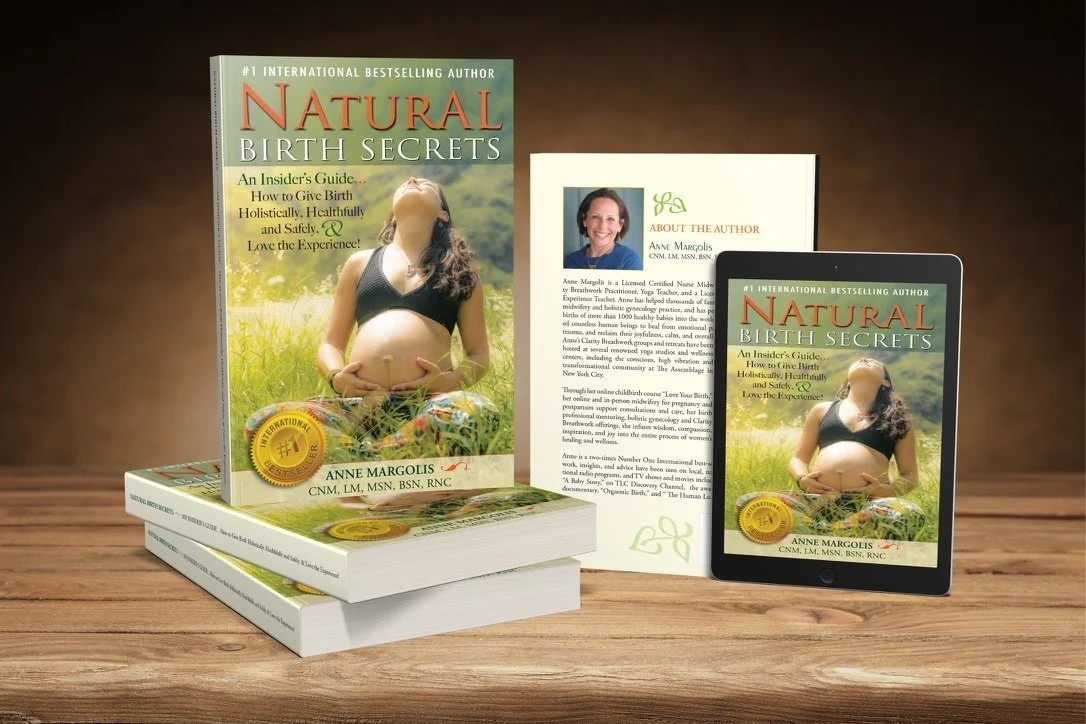
Check out my Natural Birth Secrets book 2nd edition as your reference for more information on holistic modalities for all common discomforts and ailments on your entire journey to having a baby - from preconception, through pregnancy and postpartum, as well as breastfeeding and newborn care.
Let Me Help You Create The Happiest Birth Experience Of Your Life...
Whether you're a first time or experienced momma,
Or a midwife, doula, or birth professional guiding mommas..
Regardless if you are planning a birth at home, a hospital, a birth center or need a cesarean section, or if you are taking another childbirth education class…
You Really Can Create The Delivery Of Your Dreams.
And have a blissful birth wherever you are.
More Precious Than A Wedding...A Birth Should Be A Celebration!
Let me show you how to…
Understand the sensations of your body and connect your intuition with how your body is communicating and leading you towards what to do during labor
Tap into your inner calm to deeply relax yourself, letting go of busy, stressful and fearful thoughts on demand for the health of baby
Speak your truth from your heart in a way that deepens your relationships, sets clear boundaries, and has people listen to you and support you before, during and after pregnancy
Trust yourself, connect with your body wisdom and communicate with baby in belly
Connect with natural time and sync your body and mind up with your unique biological clock for ease from pregnancy to postpartum
Reprogram negative patterns, stories, and beliefs that undermine your confidence, strength and self trust so you can rock your birth
Physicians and midwives around the world recommend my teachings to their pregnant clients and many Doulas across the country learn the secrets of blissful birthing from me to supplement their Doula Training & Certification process!
To learn more, visit: LOVE YOUR BIRTH Online Childbirth Course!
It is based on my years of experience, as a midwife and yoga teacher, helping thousands of women tap into their calm and live and birth from a place of grounded relaxation and joy.

Holistic Pain Relief in Pregnancy: Your Guide to Comfort & Self-Care
Feeling aches in your pelvis, legs, or back during pregnancy can be humbling—but it’s also a powerful opportunity for growth. These sensations invite you to lean into mindful breathing, self-compassion, and deeper connection with your changing body.

Embracing the Journey of Discomfort
Feeling aches in your pelvis, legs, or back during pregnancy can be humbling—but it’s also a powerful opportunity for growth. These sensations invite you to lean into mindful breathing, self-compassion, and deeper connection with your changing body.
Who Can Help (Think Natural Therapists!)
Before diving into self-care, consider reaching out to trusted holistic practitioners:
Chiropractor or osteopath — reset pelvic alignment
Massage therapist (deep tissue, Thai, Rolfing) — ease muscle tension
Homeopath — custom herbal or flower remedies
Acupuncturist — targeted needle therapy
Therapeutic yoga instructor — build strength and ease tightness
Round Ligament & Groin Pain
Sharp pangs in your groin—especially when walking or stretching? Here’s how to soothe and prevent them:
Rest, then rock: Lie on your back, knees bent, or get on hands & knees and gently rock your pelvis
Soak & soothe: Warm Epsom salt bath with lavender or herbal blends, followed by Tiger Balm and a hot/cold pack
Support: Use a pregnancy pillow and maternity belt, like the Bellefit supportwear
Strengthen: Practice pelvic-floor exercises—bridge pose with mula bandha (root lock) on a yoga block builds core support and tone
Upper & Lower Back Care
Upper back: Breast changes can strain your shoulders. Wear a supportive bra and stretch regularly with shoulder rolls.
Lower back: Weight shift, ligament loosening, and posture changes contribute to discomfort.
Try:
Prenatal belts (e.g., Baby Hugger)
Gentle yoga postures (cat/cow, sphinx, bridge) - I teach this in my online yoga classes.
Mindful lifting and posture (tuck in your pelvis, avoid high heels)

Sciatica Relief
Sciatic pain (sharp, radiating from your back down your leg)? Try:
Exercises: Hamstring stretches, spinal twists, standing hip openers
Stay active: Daily walking, swimming, low-impact movement
Anti-inflammatory diet: Whole foods, turmeric-rich meals, hydration (64 oz+)
Targeted yoga: Tailored stretches to decompress irritated nerves
Smart Movement & Body Mechanics
Rest when needed: Lighten your load—delegate more, schedule breaks
Posture check: Stand and walk with lifted abdomen, tucked pelvis, relaxed shoulders
Sneakers, not heels: Flat, supportive footwear—barefoot at home feels amazing
Lift right: Bend at knees, use core support, avoid twisting
Safety first: Take extra care on slippery surfaces, add non-slip mats
Supportive Sleep & Rest
Comfort while resting is essential:
Bedding: Firm mattress or board; pregnancy pillow for side sleeping
Environment: Cool (mid‑60s°F), dark, quiet—blackout curtains, eye masks, white-noise machines
Rituals: Early bedtime, gentle stretching, warm herbal teas, and peaceful wind-down routines
Healing Through Breath & Relaxation
Pain often arises from tension. Here’s how to ease it:
Deep abdominal breathing – In for 4, out for 4
Box breathing – In 3, hold 6, out 6, hold 3
Relaxation scan – Tense and release muscles from head to toe
Ujjayi breath – Gentle ocean-sound breath awareness
These techniques calm your nervous system and teach your body to relax into sensations, not fight them—a vital skill for labor and beyond.
At-Home Remedies for Back Pain
Massage oil blend: Arnica + St. John’s wort + cramp bark + essential oils (ginger, lavender, or rosemary)
Heat or ice: Alternate cold packs (first 24–48 hrs) with moist heat (showers, Epsom baths)
Healing yoga pose: Legs Up The Wall—rest on your back with legs up against a wall or bolster for 10–20 minutes.
Herbal support: Tinctures like cramp bark, skullcap, St. John’s wort, plus turmeric for inflammation. Reputable brands of the supplements and remedies I recommend include any of those in my online holistic apothecary.
TENS unit: Safe, drug-free pain relief option (often works well during labor too)
Supporting SPD (Symphysis Pubis Dysfunction)
SPD can feel intense, but these gentle supports help:
Chiropractic care + support belts (Bellefit, Baby Hugger)
Pelvic floor activation before movement
Gentle repositioning: Keep legs close and move slowly when turning or rolling
Seek help:
If walking forward hurts, backward feels better—consider physical therapy or crutches
To release stress and trauma energy often responsible for chronic issues, do conscious connected Clarity breathwork and experience miraculous healing and transformation.
Check out Brandon Bays’ book The Journey, and her website. These are all extremely effective mind-body cutting edge methods that have also lead to transformational healing for thousands of people around the world.
When Pain Persists or Feels “Off”
While many aches are pregnancy-related, check in with your provider if you experience:
Severe, persistent pain
Fever, bleeding, bladder/bowel changes
Leg swelling/redness (possible blood clot)
New or unusual symptoms
Chronic pain solutions may involve mindful emotional work—think The Mindbody Prescription or Clarity Breathwork to release underlying stress and trauma.
Create Your Personalized Well-Being Plan:
Gentle movement – Yoga, walking, swimming
Core & pelvic care – Strengthen with awareness
Supportive gear – Maternity belts, pillows, sneakers
Healing tools – Massage blends, heat/ice, TENS
Breathing & mindfulness – Your daily reset toolkit
Rest intentionally – Sleep earlier, nap strategically
Connect & empower – Video guidance or local sessions
Let’s Connect!
Need personalized guidance? Book a video consultation with me—we’ll chart a gentle, effective plan tailored to you and your baby.
Pregnancy is a time of profound transformation. Your body is working hard—reward it with kindness, awareness, and nurturing care. 💛
You’ve got this, mama!
Let Me Help You Create The Happiest Birth Experience Of Your Life...
Whether you're a first time or experienced momma,
Or a midwife, doula, or birth professional guiding mommas..
Regardless if you are planning a birth at home, a hospital, a birth center or need a cesarean section, or if you are taking another childbirth education class…
You Really Can Create The Delivery Of Your Dreams.
And have a blissful birth wherever you are.
More Precious Than A Wedding...A Birth Should Be A Celebration!
Let me show you how to…
Understand the sensations of your body and connect your intuition with how your body is communicating and leading you towards what to do during labor
Tap into your inner calm to deeply relax yourself,letting go of busy, stressful and fearful thoughts on demand for the health of baby
Speak your truth from your heart in a way that deepens your relationships, sets clear boundaries, and has people listen to you and support you before, during and after pregnancy
Trust yourself, connect with your body wisdom and communicate with baby in belly
Connect with natural time and sync your body and mind up with your unique biological clock for ease from pregnancy to postpartum
Reprogram negative patterns, stories, and beliefs that undermine your confidence, strength and self trust so you can rock your birth
Physicians and midwives around the world recommend my teachings to their pregnant clients and many Doulas across the country learn the secrets of blissful birthing from me to supplement their Doula Training & Certification process!
To learn more, visit: LOVE YOUR BIRTH Online Childbirth Course!
It is based on my years of experience, as a midwife and yoga teacher, helping thousands of women tap into their calm and live and birth from a place of grounded relaxation and joy.

Check out my Natural Birth Secrets book 2nd edition as your reference for more in depth information on holistic modalities for all common discomforts and ailments on your entire journey to having a baby - from preconception, through pregnancy and postpartum, as well as breastfeeding and newborn care.