
What No One Fully Explains About the First Week After Birth
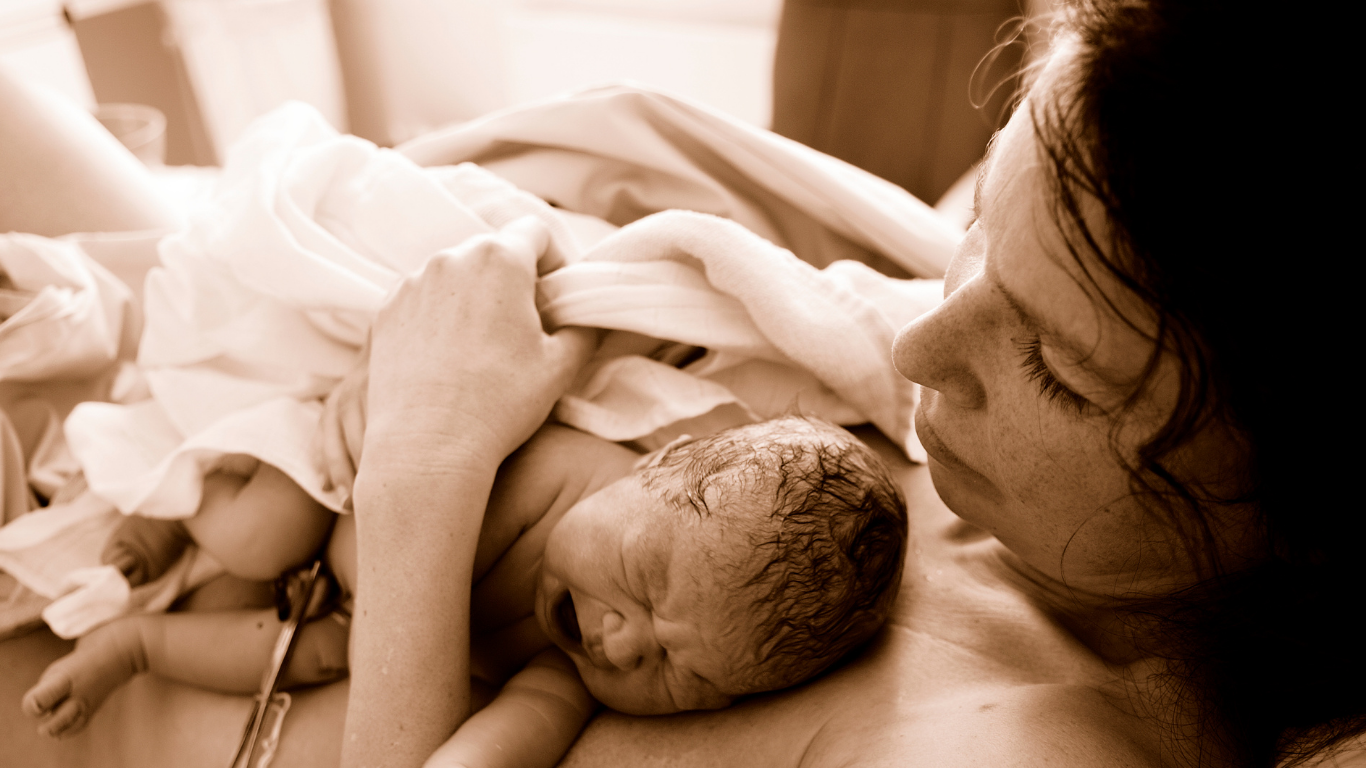
When families prepare for birth, most of the focus goes toward labor.
Contractions. Positions. Hospital bags. Birth preferences.
Very little attention is given to what happens after you come home.
And yet, the first week postpartum is one of the most physiologically and emotionally intense transitions a woman will ever move through.
Not because something is wrong. But because everything is shifting at once.
Let's walk through what is actually happening.
The Adrenaline Phase: Why You Might Feel "Fine" At First
Immediately after birth, your body floods with adrenaline.
Relief. Alertness. Accomplishment.
Many women describe feeling surprisingly awake in the first 24 to 48 hours. Even without sleep, they feel wired.
This is not sustainable energy. It is biochemical.
Adrenaline masks exhaustion temporarily. It also masks the emotional recalibration building beneath the surface.
This is why the first couple of days can feel manageable... and then suddenly shift.
The Hormonal Drop: What Happens Around Days Three to Five
Around day three to five postpartum, a massive hormonal shift occurs.
During pregnancy, estrogen and progesterone levels are extraordinarily high. After the placenta is delivered, those levels plummet.
At the same time, prolactin rises sharply and oxytocin surges during feeding.
The combination creates a vulnerable emotional window.
This can look like: unexpected tears, heightened sensitivity, feeling overwhelmed by small decisions, questioning your adequacy.
This is commonly called the "baby blues," but that phrase minimizes what is happening.
This is physiological recalibration.
When women understand this shift ahead of time, they are far less likely to interpret it as personal failure.
Sleep Fragmentation and Nervous System Activation
Sleep in the first week postpartum is rarely restorative.
Even with a calm newborn, sleep becomes short, fragmented, light, hyper-vigilant.
Your nervous system remains on alert. This heightened alertness is protective, but it also increases emotional reactivity.
Sleep fragmentation alone can make minor challenges feel overwhelming.
Understanding this removes shame. You are not "too emotional." You are adapting.

Physical Recovery Is Not Background Noise
While all of this is happening emotionally, your body is also healing.
Your uterus is contracting. Your pelvic floor is recalibrating. Your blood volume is shifting. Your tissues are repairing.
Whether you birthed vaginally or via cesarean, your body has undergone significant work.
Warmth, nourishment, hydration, and rest are not luxuries during this time. They are physiologic necessities.
When we treat postpartum as a time to "bounce back," we work against the body's natural healing process.
The Partner's Role: Environmental Protection
In the first week, the mother's primary work is healing and feeding.
The partner's primary role is environmental protection.
Managing visitors. Preparing food. Ensuring hydration. Protecting sleep windows. Filtering outside pressure.
Many partners want to help but are unsure what actually matters.
When this role is clarified before birth, tension decreases dramatically.
Postpartum is not intuitive. It benefits from conversation and structure.

Why Families Feel Blindsided
The reason so many families feel blindsided is not because the experience is abnormal.
It is because preparation was focused almost exclusively on labor.
When no one explains the hormonal drop, the sleep shifts, the emotional recalibration, and the intensity of healing, mothers assume something is wrong.
Nothing is wrong. This is transition.
The first week is not meant to be productive. It is meant to be quiet, warm, and protected.
Preparation Changes the Experience
Preparation does not eliminate intensity. But it changes interpretation.
When you expect the hormonal shift, you are less afraid of it. When you understand sleep fragmentation, you are less self-critical. When you prioritize nourishment ahead of time, you enter postpartum less depleted.
The first week after birth deserves as much preparation as labor itself.
If You Want Gentle Structure for That Window
I created The First Week After Birth because I have watched too many mothers enter that season without a map.
It walks through: what is physiologically normal, how to structure rest and nourishment, how partners can support effectively, how to protect emotional steadiness, and when to seek help.
It is $17.
And right now, when you buy it, you are automatically entered to win Love Your Birth — my complete birth education program. One family will receive it for free. Winner announced April 2nd.
You deserve preparation for all of birth. Not just labor. All of it.