

Comprehensive Review and Endorsement of the Momcozy Dreamlign Pregnancy Pillow
A good night's sleep is crucial for physical well-being, particularly during pregnancy, when discomfort and pressure on various parts of the body can be overwhelming. When it comes to maternity pillows, I highly recommend the Momcozy Dreamlign Pregnancy Pillow, a modern and thoughtfully designed solution to enhance sleep quality and support the pregnant body throughout its journey.
As a holistic midwife of nearly three decades, I am deeply invested in ensuring that pregnant mamas experience the most comfortable, safe, and supportive environment as they navigate the changes of pregnancy. A good night's sleep is crucial for physical well-being, particularly during pregnancy, when discomfort and pressure on various parts of the body can be overwhelming. When it comes to maternity pillows, I highly recommend the Momcozy Dreamlign Pregnancy Pillow, a modern and thoughtfully designed solution to enhance sleep quality and support the pregnant body throughout its journey.

Innovative Design for Enhanced Comfort
The Momcozy Dreamlign Pregnancy Pillow is a marked upgrade from traditional U-shaped pillows. Traditional maternity pillows often come with a fixed shape that makes it difficult for individuals to move or adjust the pillow to suit their changing needs. This can make nighttime positioning a struggle, as many expectant mothers find themselves having to climb over barriers or constantly readjusting the pillow throughout the night.
However, the Momcozy Dreamlign Pregnancy Pillow introduces a groundbreaking feature: the slide leg pillow. This innovative design element allows users to customize the angle of the pillow, and more impressively, collapse the pillow when necessary. This freedom of movement eliminates the cumbersome process of trying to navigate over fixed barriers, which is especially beneficial during late pregnancy when movement can feel more restrictive. Expectant mothers can effortlessly adjust the pillow to suit their sleep posture, whether they are sleeping on their side or need extra support between their knees and hips.
Ergonomic Full-Body Support
Pregnancy comes with its own unique set of challenges, particularly as the body adjusts to accommodate a growing belly and shifting weight distribution. This is where the Momcozy Dreamlign Pregnancy Pillow truly shines. The pillow is designed with 5-point contouring to provide comprehensive support for your body, cradling your head, back, belly, hips, and legs in optimal alignment. This design ensures that all pressure points are properly supported, reducing the strain on critical areas such as the lower back and hips.
Back pain and hip strain are common complaints during pregnancy, often due to the weight of the baby and changes in posture. The Momcozy Dreamlign Pregnancy Pillow addresses these concerns by promoting blood circulation, which can also reduce the likelihood of swelling in the legs and feet—a common issue in the later stages of pregnancy. The pillow helps to maintain natural spinal alignment, which is essential for preventing discomfort that can disrupt sleep.
As someone who works with expectant mothers, I know how important it is to get a deep and restorative sleep during pregnancy. Poor sleep can lead to fatigue, irritability, and even exacerbate physical ailments. The support that the Momcozy Dreamlign offers promotes not just comfort but optimal sleep posture, helping you rest in a way that alleviates strain on your joints and muscles. As the body undergoes significant physical changes, the ability to sleep deeply and comfortably can make a world of difference to your overall well-being.
Safe and Durable for Long-Lasting Comfort
Another essential aspect of the Momcozy Dreamlign Pregnancy Pillow is its commitment to safety and durability. Expectant mothers are particularly sensitive to chemicals and allergens, and as such, it is crucial to use products made from materials that are safe and gentle on the skin. The pillow is crafted with OEKO-TEX certified fabric, which ensures that it is free of harmful substances and safe for direct contact with sensitive skin. This certification is a significant benefit for pregnant mamas who may experience increased skin sensitivity during pregnancy.
The filling of the Momcozy Dreamlign Pregnancy Pillow is made from premium polyester, a material known for its durability and resilience. Unlike many pregnancy pillows that lose their shape over time, the Momcozy pillow retains its shape and firmness, even after repeated use. The polyester filling maintains its structural integrity under weight, ensuring that the pillow continues to offer the same level of support from the first night of use to the last.
This durability is particularly important for mothers-to-be who rely on their maternity pillow for consistent support. As pregnancy progresses, more support is often needed, and the Momcozy Dreamlign pregnancy pillow ensures that it will remain effective throughout the entire pregnancy. Whether you are in your first trimester or well into your third, this pillow will continue to support you in a way that enhances comfort and promotes restful sleep. It can even be used postpartum to help you find a comfortable position for resting on the sofa or sleeping in bed, and during breast-feeding.

Versatility and Functionality
The design of the Momcozy Dreamlign Pregnancy Pillow offers unparalleled versatility. It adapts to different sleep positions, making it ideal for side sleepers, back sleepers, or even those who prefer to sleep propped up. This adaptability is a crucial consideration for pregnant individuals, as their bodies and sleep needs evolve over time. The ability to reposition and adjust the pillow means that it can be used for multiple functions, including supporting your legs, back, or belly in various ways throughout the night.
Many maternity pillows are either too bulky or difficult to adjust, but the Momcozy Dreamlign provides the flexibility to support specific areas as needed. Whether you need extra support under your belly, between your legs, or around your back, the pillow can be customized to fit your unique body shape and sleep preferences. This functionality adds significant value to the product, ensuring that it remains useful and comfortable through all stages of pregnancy. It is an all in one pillow, so no more multiple bed pillows, tossing and turning, pulling and straining.
Conclusion
As a holistic midwife, my primary concern is the health and comfort of pregnant mamas, and I can confidently endorse the Momcozy Dreamlign Pregnancy Pillow as a top-tier choice for anyone looking to improve their sleep quality during pregnancy. Its innovative design, ergonomic support, and durability make it a standout product in the realm of maternity pillows.
The slide leg pillow feature and the ability to customize the pillow's angle make it a revolutionary product in terms of functionality and ease of use. The 5-point contouring ensures optimal alignment and support for the body, while the OEKO-TEX certified fabric and premium polyester filling provide safe, lasting comfort.
If you are looking for a pregnancy pillow that offers not only physical support but also promotes a peaceful and restorative sleep experience, the Momcozy Dreamlign Pregnancy Pillow is an excellent investment. Whether you are in your early months of pregnancy or nearing the end, this pillow is designed to grow with you through to postpartum and breastfeeding, ensuring that you remain comfortable and well-supported throughout your journey.
This is a paid promotional post by Anne Margolis CNM of HomeSweetHomebirth.com

All About Placentas
But what happens to the placenta after pregnancy is over? Many people simply allow the placenta to go to medical waste in the hospital or want it to be discarded after a home birth.
However, for those who want to keep or use the placenta, there are several options out there.
Pregnancy, Childbirth, Homebirth, Birth Plan, Postpartum, Baby, Supplements
The placenta is the essential organ that forms during the womb in pregnancy and attaches to the baby via the umbilical cord. It belongs to the baby. It is the only organ essential for fetal survival, but is not needed by the baby post birth, after baby receives the cord blood (1/3 of the baby’s blood supply that backed up into the placenta during birth).
It is the organ that gives baby life; it provides oxygen and nutrients, and also filters waste products. It makes hormones that support the pregnancy, help baby grow and develop, and provides protection against bacteria and infection. Toward the end of pregnancy, the placenta passes antibodies from you to the baby, which can provide immunity for up to three months after birth.
But what happens to the placenta after pregnancy is over? Many people simply allow the placenta to go to medical waste in the hospital or want it to be discarded after a home birth.
However, for those who want to keep or use the placenta, there are several options out there.

Photo by @senhoritasfotografia
Ingestion
Placentophagia is the act of mammals eating the placenta of their young after childbirth. Most mammals, left to birth undisturbed in nature, will consume the placenta, even herbivores. Maybe they do that to prevent predators. It is also theorized that this is done instinctually, because the placenta contains high levels of prostaglandin, which stimulates the uterus to shrink back to its normal size. It also contains small amounts of oxytocin, which can ease emotions after the birth, as well as facilitate breastfeeding.
In humans, placenta ingestion is practiced most often in Chinese medicine, and the tradition is centuries old. Most often, it is dried, steamed, ground, and encapsulated, although some eat it raw in a smoothie or cooked into other foods. It can also be made into a tincture.
There have only been a few scientific studies on the benefits of placenta encapsulation, and they have not conclusively supported or dispelled the proposed benefits. Most information about placenta encapsulation is anecdotal.
In addition to helping the uterus shrink and increasing milk production, ingesting the placenta is said to restore iron levels in the blood, increase levels of stress-reducing hormones, and decrease the incidence of postpartum depression.
If you are interested in encapsulating your placenta, you can look for a certified encapsulation specialist in your area. Certified specialists will have completed encapsulation training. Be sure to research the techniques used to make sure safety and hygiene standards are upheld. More and more childbirth professionals are offering this service, and Dr. Aviva Romm, in her book “Natural Health After Birth” has helpful instructions how to do this yourself.

Art by @phatal_love
Lotus Birth
Lotus birth takes delayed cord clamping up a level. It is the practice of leaving the umbilical cord attached to the baby after birth until it naturally separates, which can take approximately 3 to 10 days days. It is not as essential as refraining from immediate clamping of the umbilical cord at birth, but does have some perks.
In addition to the benefits from delayed optimal cord clamping, of allowing baby to get back essential blood volume, oxygen, nutrients and stem cells for optimal transition to and long term survival earth side, lotus birth encourages baby and mom to stay in extremely close contact, and discourages others from unnecessarily moving the baby. It also encourages mom to stay still and quiet in the days following the birth. It honors the third stage of labor, and allows a more gentle transition from fetus within the womb, to a baby outside in the world.
The placenta does require some extra care for a lotus birth. It should be gently rinsed with water and patted dry, then placed in a sieve or colander for 24 hours to drain. Then, it should be wrapped in an absorbent material, such as a clean dishtowel or cloth diaper, and placed in a placenta bag. There are many different crafty options for these that can be purchased on www.etsy.com. The wrapping should be changed every day.
Alternatively, the placenta can be placed in a shallow bowl filled with sea salt, and sprinkled with sea salt daily to preserve it.

Ceremonial Burial
Many cultures honor the placenta by burying it. Some believe this will give the child a strong connection with the land. Others bury the placenta under a new tree, as a symbol for the placenta acting like the “tree of life” for the baby and believing the organ will bring richness to the soil to help the tree grow. The tree can then be looked upon in remembrance of all the placenta accomplished and the life of the child it nourished.
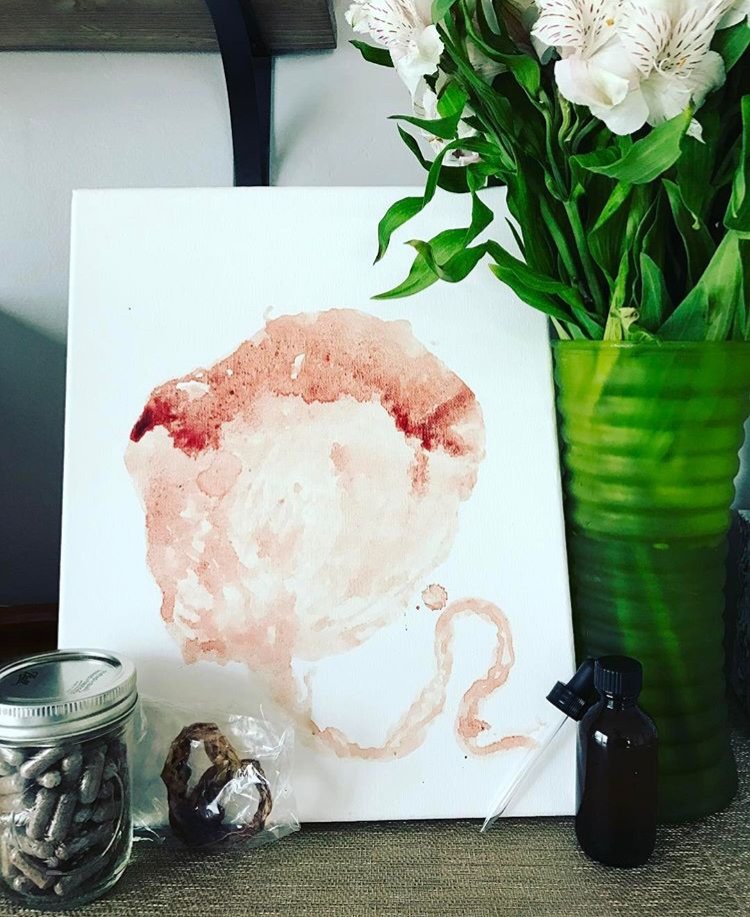
You can also make a placenta print keep sake. Take the fresh placenta and press the side with all the blood vessels branching out like a tree, against a white canvas or art paper. This can then be framed when dried, or placed in a scrap book - along with a dried part of the umbilical cord shaped in a heart or spelling out LOVE.
I’ve taken everything I’ve learned, trained and supported women with locally for close to 30 years in my private practice and I’ve poured all of my love, passion, knowledge and experience into creating something truly special for you....
Let me help you have a deeply positive, empowering and joyful journey through pregnancy, birth and being a momma in postpartum with my LOVE YOUR BIRTH online course.
Educate and inspire yourself, ready your body, ready your mind, ready your heart with my list of TOP BOOKS of every category you can imagine listed - with links on where to get them as books, listen on audio, or read them on kindle. The better prepared we are for a situation, the better the outcome will be. I feel passionate about empowering and educating women to get the most out of their womanhood, pregnancy, birth, postpartum, breastfeeding, mama, yoga and life journeys!

Home Postpartum Care: Let’s Talk Breastfeeding
Welcome to the postpartum period, the fourth trimester, a period of healing and adjustment, of getting to know and comfort your baby, and mastering breastfeeding. All your baby needs now is love and breast milk.
Breastfeeding, ask the midwife, holistic healing, natural remedies, newborn care, Postpartum, Supplements, Pregnancy pillow
Postpartum Care At Home: Your Breastfeeding Guide
Congratulations to you and your family on the birth of your baby!
You did it!! You are a rockstar, superhero, however and wherever you birthed. Now it is time for some postpartum care. But through it all, do what you can to go with the flow. Tune into your body and your baby’s natural rhythms. Embrace it all as a normal healthy phase of your life as a new mama, shared with mamas around the world since the beginning of time. Try to have fun with it and keep your sense of humor.
Welcome to the postpartum period, the fourth trimester, a period of healing and adjustment, of getting to know and comfort your baby, and mastering breastfeeding. All your baby needs now is love and breast milk. If you are unable or choose not to breastfeed, consider feeding baby pumped breast milk, or donor breast milk from registered milk banks. Breast milk is the ideal food for your baby, although organic goat milk formula is most similar to human milk and you can discuss best alternative options with your pediatrician.
The rest will follow naturally, as you learn on the job, take guidance from wise experienced others, and let Baby be your teacher. As in pregnancy and birth, trust your instincts and your heart. But do not hesitate to ask for help and support as needed. Hopefully you prepared in your pregnancy so that you are well supported during this sensitive time, as it has always taken a village to raise a baby as well as new parents. A postpartum doula is a must if you do not have family and friends to help you.
Below are some helpful hints to make the next few weeks of breastfeeding easier and more comfortable, so you are more able to heal, enjoy and reflect upon your extraordinary new miracle.
The most important advice is to slow down, stay in the moment, try to resist the temptation to do, do, do...and just be, be, be. Trust that you will heal and get into your breastfeeding routine, as you are perfectly designed to do, given the proper care and support. Do not hesitate to reach out to an IBCLC lactation consultant sooner rather than later if there are breastfeeding issues beyond what your midwife or doula can help you with.

Nutrition for Postpartum Care & Breastfeeding
Maintain at least the same healthy nutrition as you did in pregnancy, especially now for recovery after birth, and during breastfeeding. This will help you to make good quality milk, and nourish your baby as well as yourself. Make sure to eat at least three whole food varied healthy meals and snacks, and even a little bit more than you would normally consume. And keep well hydrated with at least 64 ounces of water daily.
Traditional foods for the early postpartum weeks across cultures typically include soups and stews with a lot of vegetables, including the starchy ones like sweet potatoes and winter squash, stew meat or chicken, and whole grains like barley and oats. Also, do eat plenty of eggs, seasonal fruits and vegetables. Much nourishment can be added to fruit/veggie smoothies, soufflés, whole grain hot cereals, and breads/muffins like zucchini-apple, banana-date or carrot-raisin, enhanced with almond flour or chopped nuts and seeds, nut milk, and eggs.
Herbs and Supplements
Make sure to supplement your diet as in pregnancy, with herbs, vitamins, minerals, omega threes and probiotics to complete nourishment not supplied by diet alone. This will aid in your recovery and help supply all of your and your baby’s nutritional needs. Do increase iron foods and take an herbal iron, especially if you were anemic in pregnancy, have low iron stores, lost a lot of blood at birth, gave birth by cesarean, and/or are still anemic.
Do continue your nourishing pregnancy herbal infusion to your diet but add alfalfa and red clover. You can have a support person make this by:
Blending a handful of dried Nettle leaf, a handful of dried Red Raspberry leaf, a pinch of Alfalfa, large pinch of Red Clover, and several Rose Hips.
Add a pinch of Comfrey to help with healing. (optional)
Brew in a mason quart glass canning jar of boiling water 1-4 hours. The longer the brew, the stronger the taste and effect.
Strain, and drink plain or lightly sweetened with Rose Hip infused honey and/or a splash of fresh squeezed lemon or lime juice.
Enjoy hot or cold, up to 4 cups per day.
You can make it in larger quantities and store in the fridge.

There are some nice herbal breastfeeding teas like those made by Earth Mama Organics and Traditional Medicinals. Use two bags per cup of tea to get the benefits.
You can have your special someone make your own delicious, nourishing combination of herbs that helps with breastfeeding and enhances the nutritional content of your breast milk:
Mix a handful each of dried Chamomile blossoms, Catnip and Blessed Thistle, a pinch each of Fennel seeds and Fenugreek powder or seeds, and a few dried Lavender flowers.
Put 1 tablespoon of the mix in a cup, fill with boiling water, and steep for 10-15 minutes.
Strain in the glass mason jar, and drink plain or lightly sweetened with Rose Hip infused honey, and a dash of anise.
Drink 1-3 cups daily.
Although it is a challenge postpartum, it is so important to avoid fatigue by making sure you are getting extra needed sleep by going to bed earlier, sleeping later, or taking naps when baby naps. A few hours of broken sleep each night is never enough to prevent that feeling of exhaustion and overwhelm from sleep deprivation.
When sleeping, lay down on a firm supportive mattress, on top of a bed board if needed. Some women find the floor or a futon helpful. A MUST is to use an excellent full body pregnancy pillow for additional support. An excellent pregnancy pillow is not only most supportive, they are also ergonomic and deliciously comfortable for safe sleep. Mamas say they make them feel like they are literally sleeping in a cloud each night. And they love that pregnancy pillows still helps them postpartum to find a comfortable position to rest, sleep and even breastfeed.
My favorite pregnancy pillows are full body U shaped all in one pillow, with an attached pillow for between your legs or to wrap your legs around. They are designed to cradle your head, back, belly, hips, and legs in optimal alignment. No more tossing and turning, pulling or straining.
Pregnancy body pillow adapts to your body’s pressure points, promoting blood circulation, reducing back pain and hip strain while maintaining natural spinal alignment for deeper, restorative sleep. It releases your body pressure, effectively relieves back and hip pain as well as leg swelling so you can sleep more deeply all night long. Full body pregnancy pillows are designed to replace the need of multiple bed pillows. It hugs your entire body and conforms to both sides, perfectly support the head, shoulders, the entire back, belly, sides, legs - even the knees, feet, pelvis and hips.
If you can not fall asleep, practice savasana or “corpse pose”: yoga’s most important experience. Simply lie down in a quiet space for at least a half hour, keeping your focus on your breath or between your inner eyebrows, while allowing the muscles to melt and releasing any tension in your body with each exhalation. Even 20 minutes of this is like a 2 hour power nap for the body.

Breastfeeding
Your newborn baby’s stomach is tiny, like the size of a cherry the first few days, a small apricot at one week, and a large egg at one month of age. Only tiny amounts of milk are tolerated initially. Expect your baby to drink about 1-1 ½ tsp per feed on the first day, 1½-2 ounces by one week, and 2 ½-5 ounces per feed by one month of age.
The liquid gold colostrum that your breast produces makes no more than a few teaspoons per feed, but when your full breast milk comes in, you will have more than enough to accommodate. Often women have a misconception that they do not have enough milk when they have exactly what baby needs, and they get into a tension and supplemental feeding cycle that actually does decrease supply.
If you had labor or birth complications, needed epidural or spinal anesthesia, baby was birthed by cesarean or had to be in the intensive care, establishing breastfeeding can be more challenging at first. Get help by a certified lactation consultant (IBCLC) as soon as possible if there is any difficulty. Baby-friendly hospitals should all have them on staff, or you can ask your midwife, pediatrician or local La Leche leader for recommendations. If you need additional guidance to boost low milk supply first follow these steps.
All you may need to do is keep nice and calm with baby skin to skin and nurse more frequently, avoid formula and glucose water, and do not use pacifiers until your breastfeeding is well established.
You can increase emptying if needed, which boosts your supply, by using a double electric breast portable Willow pump every 2-2½ hours for 15-20 minutes, but know that a healthy baby is the best breast pump. If you do pump, freeze the milk for later use, like when you need to go out or want a break from a nightly feed. Take herbal combinations like More Milk Special Blend, drink non alcoholic beer or Hops tea and several cups Sesame milk daily. You may need to add increased amounts of the individual herbs like Goats Rue, Blessed Thistle and Fenugreek, 2-3 capsules each up to 3 times per day, or add the tincture of More Milk Special Blend, 2 ml 4 times per day to increase your supply.
Treating Breast Engorgement
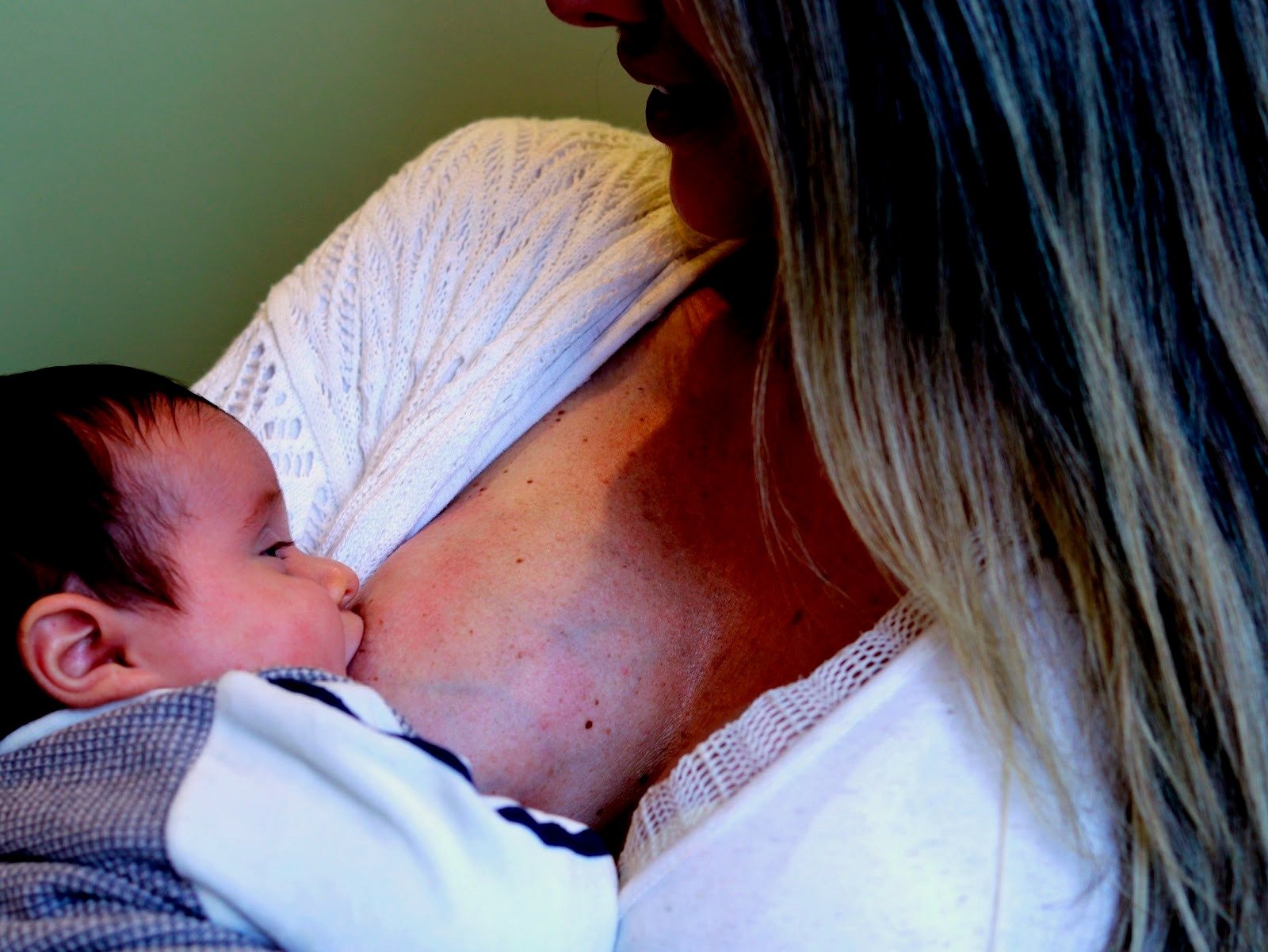
Your breasts will begin filling with milk and can become engorged by the third or fourth postpartum day whether or not you are breastfeeding. Initially, you may notice that your breasts become larger, fuller, heavy, lumpy, slightly tender and warm. They may leak milk and you may notice a short-lived low grade fever. The skin of the breasts may be pulled tight and become shiny, hard, painful and throbbing, and the baby might be less able to grasp the nipple.
Suggestions to minimize discomfort with breastfeeding:
Practice early, frequent breastfeeding (on demand or every 1½-3 hours) without supplemental bottles for at least the first month. The breasts will learn to replace only what baby takes. (This is a good reason not to pump significantly in addition to nursing initially, as breasts will replace that too). Allow the milk to run freely into a bottle from one breast as the baby nurses on the other side. The bottled milk can be frozen for a later nighttime feed your partner can give Baby to give you some needed sleep once engorgement resolves.
If Baby is having a hard time latching, try manually hand expressing a small amount of milk before nursing. You can also do so afterwards if still uncomfortably full after each feeding.
Rub Arnica oil gently over breasts, except nipples, then apply a comfortably hot washcloth/compress or stand under a warm shower 5-10 minutes before nursing.
Gently massage breasts downward while nursing using Arnica massage oil or lotion.
If you are uncomfortable between feedings, you can let comfortably hot shower water run over your breasts and massage them downwards using a fine tooth comb dipped in soap, or gently hand express just a small amount, or soak your breasts into a sink full of comfortably hot water. If engorgement is severe add 1-2 ounces of Marshmallow root tincture to the water.
For severe engorgement, apply cold packs just during the short term period of extreme discomfort. Ideally, make these by defrosting frozen cabbage leaves rolled over with a rolling pin.
Apply cold compresses of Comfrey (soak washcloths with the tincture and store in the fridge). You can try comfortably hot Comfrey compresses and add Parsley tincture.
If you are not nursing and need help drying up your breastmilk, drink lots of Sage tea and do not pump.
Report any areas of increased heat, redness, swelling and severe pain; fever over 100.4 after the first few days; and chills, headache and generalized aches like you have the flu.
Sore Nipples
Your nipples may be tender or sore during the first week or so of getting accustomed to breastfeeding your baby, whether you are a first time mom or have nursed successfully before. You may also feel some pain, usually lasting no longer than one minute, each time the baby latches onto the breast in these early weeks, which lessens as baby nurses. If your baby is improperly sucking, or incorrectly positioned, your nipples can become very sore and the pain is intense the entire feed.
Suggestions to minimize nipple soreness are:
Remember this pain is temporary as your nipples adjust to normal healthy breastfeeding, and use your tools from labor and breathwork to breathe and relax into the sensations rather than to fight them.
Have an experienced person observe for proper positioning, latch and sucking during breastfeeding from the beginning, especially if you have severe nipple pain during the entire feed and your nipples are very sore.
Release the baby’s suction with your finger before removing the nipple from the baby’s mouth anytime you need to stop the sucking, especially when the latch is shallow.
Soak nipples in a cup of 0.9% physiologic saline solution, then expose breasts to fresh air 20 minutes after each feeding, ideally in the sun, in front of a 60 watt light bulb, or a blow dryer. Yes, spend some time topless.
Apply some breast milk to the nipple.
Avoid synthetic breast creams and nipple shields.
If mild, massage plain organic Cocoa Butter, Almond oil or Vitamin E onto the nipples after each feeding. If without relief, apply homeopathic calendula cream or herbal salve made with Calendula, Marshmallow, Aloe Vera, and Chamomile, or Lanolin designed for sore nipples after each feed and gently remove any residue before nursing. Apply pure Aloe Vera gel to the cracks and cuts, as well as Comfrey, but wipe off before nursing so baby does not ingest it. Try several formulas and see what feels best for you.
Nurse more frequently for shorter periods of time.
Alternate positions of nursing each feeding to vary pressure points on the nipple.
Initiate nursing on the least sore side. You can nurse only one breast a day to allow the other to heal, pumping the sore breast to relieve engorgement during each nursing session. Then nurse the alternate breast the next day (pumping the other), and continue this until nipples have recovered.
Take a daily bath or shower, washing nipples with water only (no soap).
Wear all cotton bras, avoid tight bras, and minimize the use of breast pads. If breast pads are occasionally needed, use organic bamboo or cotton washables or nontoxic disposable breast pads without plastic, changing when wet to keep nipples dry.
Report to your practitioner if your soreness lasts longer than a week or is getting worse, if your nipples are cracked and bleeding, or severe nipple pain persists during entire feed indicating a latch issue.
Need more help from me?
Check out my online Love Your Birth comprehensive prep course for pregnancy through birth, postpartum and breastfeeding - an insider’s Guide to the joys and challenges of recovering from birth and getting the breastfeeding in these modern times created by a seasoned holistic nurse midwife who has seen everything! Learn simple tricks of the trade to make the journey to motherhood more holistically healthy and fulfilling.
You will have direct access to me through the Love Your Birth course Guides if you bundle with a coaching call with me.
I can help you:
Help yourself breastfeed healthfully and successfully
Get the support and guidance you need to answer all of your questions to create a breastfeeding experience you love and treasure forever
Understand holistic modalities on breastfeeding issues
Get the support and tools you need for stress reduction
Answer questions and make informed decisions
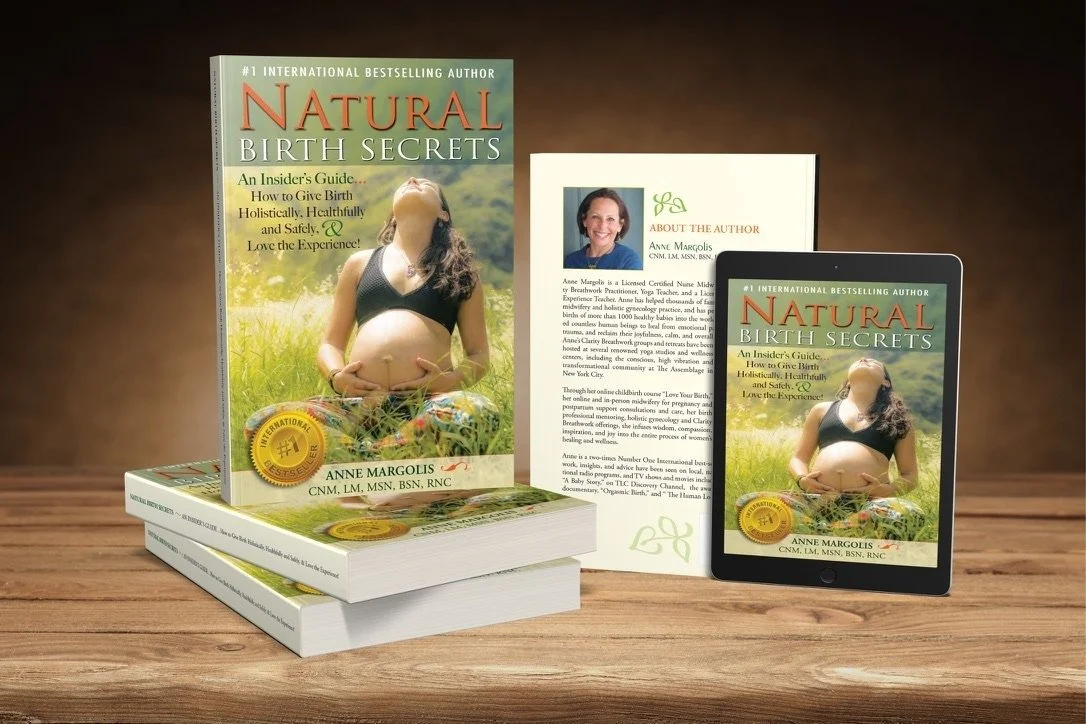
My Natural Birth Secrets book 2nd edition has helpful tips as well, and is an excellent resource in adjunct to the Guide.

Natural Ways to Sleep Better During Pregnancy: A Holistic Guide for Mamas-to-Be
Pregnancy can make sleep feel like a distant dream. Between aches, baby kicks, hormonal shifts, and an overactive mind, insomnia becomes an unwelcome visitor for many expecting mothers.
ask the midwife, Pregnancy, prenatal care, Supplements, Pregnancy pillow
Let’s be real—pregnancy can make sleep feel like a distant dream. Between aches, baby kicks, hormonal shifts, and an overactive mind, insomnia becomes an unwelcome visitor for many expecting mothers. As a holistic nurse midwife, I often hear, “I’m tired but I just can’t sleep!”
The good news? You’re not alone—and there are safe, natural ways to support restful sleep during pregnancy. Let’s dive into gentle strategies to help your body relax, your mind slow down, and your whole being settle into deep, restorative rest.
First, Don’t Panic If You're Awake at 3 AM
If you’re managing to function during the day, your body might be getting enough rest even if your sleep feels broken. But if you're feeling exhausted, burnt out, anxious, or moody, it may be time to make sleep a higher priority—right up there with eating well and moving your body.
Pro Tip: If insomnia was a struggle before pregnancy, check in with a holistic or integrative provider to rule out deeper causes like thyroid imbalance, anxiety, or chronic stress.

Natural Insomnia Prevention: Start with the Basics
Here’s what to avoid 4–5 hours before bed to help you wind down easier:
🚫 Caffeine (coffee, tea, chocolate, soda)
🚫 Heavy meals or processed foods
🚫 Excess fluids (to avoid 3 am bathroom breaks)
🚫 Emotional or intense conversations
🚫 Scrolling social media or news
🚫 Blue light (from screens)
🚫 Vigorous workouts
Instead, opt for calming routines, gentle stretching, and a light snack that balances blood sugar—think gluten-free oatmeal with nut milk, or apple with nut butter.
Honor Your Sleep Rhythms
Your body has a natural clock, so give it the rhythm it craves:
Aim to go to bed around the same time each night (ideally before 11pm)
Get sunlight during the day—especially morning light
Keep evenings dim—use amber lights, candles, or salt lamps
Sleep in a cool room (mid-60s°F is ideal)
Keep phones and computers out of your bedroom (seriously!)
Need to break up with your phone at bedtime? Check out “How to Break Up With Your Phone” by Catherine Price—your nervous system will thank you.

Make Evenings Sacred: Your Wind-Down Routine
Design a nighttime ritual that feels like a warm hug:
Soak in an Epsom salt bath with lavender or chamomile oil
Read something soothing—not thrilling
Try 5–15 minutes of Yin or restorative yoga
Do calming breathwork (more on that below)
Listen to relaxing music or use sleep meditation apps.
Breathe Your Way to Better Sleep
When stress is high and your mind is racing, your breath is your superpower.
Try these simple exercises:
Deep Belly Breathing
Inhale for 4 counts, Exhale for 4 counts, Repeat 8 times
Want more calm? Extend your exhale—inhale for 4, exhale for 6.
Box Breathing
Inhale for 3 counts, hold for 6 counts, exhale for 6 counts, hold for 3 counts
Repeat for 5–10 minutes
Forced Exhalation
Breathe out completely, let breath naturally come in, repeat for a few minutes
These practices calm your nervous system and help your body switch from “fight or flight” to “rest and digest.”
Stress Reduction = Sleep Support
Stress and pregnancy go hand in hand—but you don’t have to stay stuck in high gear.
Here's how to find your inner calm:
Set boundaries and say “no” when needed
Ask for help (yes, really!)
Take “healing intervals”—short breaks to do nothing
Practice mindfulness, meditation, or yoga - (especially Yin, prenatal, gentle and restorative)
Surround yourself with people and environments that feel safe and soothing
Bedtime Teas & Natural Remedies
Try these gentle, nourishing herbal teas to sip in the evening - many are available in my online holistic apothecary.:
Evening Sleepy Tea Blend
Chamomile
Lemon Balm
Lavender
Steep 1 tsp of each herb in hot water, cover for 15–20 minutes, strain and enjoy. Sweeten with a little honey or lemon if you like.
Magnesium & Calcium
Take 500–1000 mg magnesium (Natural Calm is a great option)
Pair with 500–1000 mg calcium if needed
Herbal Support (after first trimester):
Passionflower – for anxiety-related insomnia
Chamomile tincture – gentle and safe
Skullcap, Lemon Balm, or Motherwort – calming nervines
CBD (from pure hemp oil) – gentle calming (talk to your provider first)
Need more targeted support? Look into flower essences like White Chestnut for racing thoughts, or consult a homeopath or naturopath for customized guidance.

Sleep Hygiene 101
Let’s set the stage for sleep success:
Keep your bedroom cool, dark, quiet, and device-free
Try blackout curtains, an eye mask, or white noise
Use a supportive pregnancy pillow and comfy bedding
Avoid work, bills, or screens in bed
Get a real alarm clock (not your phone!)
Natural Supplements (Use With Care)
Here are some options to explore—always check with your provider before adding supplements and herbs during pregnancy:
Fresh milky oat tops tincture – supports the nervous system over time
Collagen powder (grass-fed gelatin) – mix into evening oatmeal
Valerian root, St. John’s Wort, Lemon Balm – occasional use only
Melatonin – best for travel or shift work (not everyday use)
When You Just. Can’t. Sleep.
It happens. When you’re lying awake, try:
✔️ Reverse psychology: Tell yourself to stay awake—ironically, it can help you fall asleep.
✔️ Get up and do something low-key: fold laundry, read, or listen to soft music.
✔️ Write down worries and make a plan for the morning.
✔️ Don’t fight it—rest is still valuable, even if you’re not fully asleep.
Final Thoughts
Pregnancy is a time of great transformation, and your sleep patterns will shift. That doesn’t mean you’re powerless! With simple, consistent habits, a few calming herbs, and a whole lot of self-kindness, you can get the rest your body needs.
Let sleep be your sacred time. You’re not just nourishing your growing baby—you’re replenishing yourself.
If you need more personal guidance, schedule an online video call or a breathwork session with me.
Wishing you deep rest, sweet dreams, and a peaceful journey into motherhood.
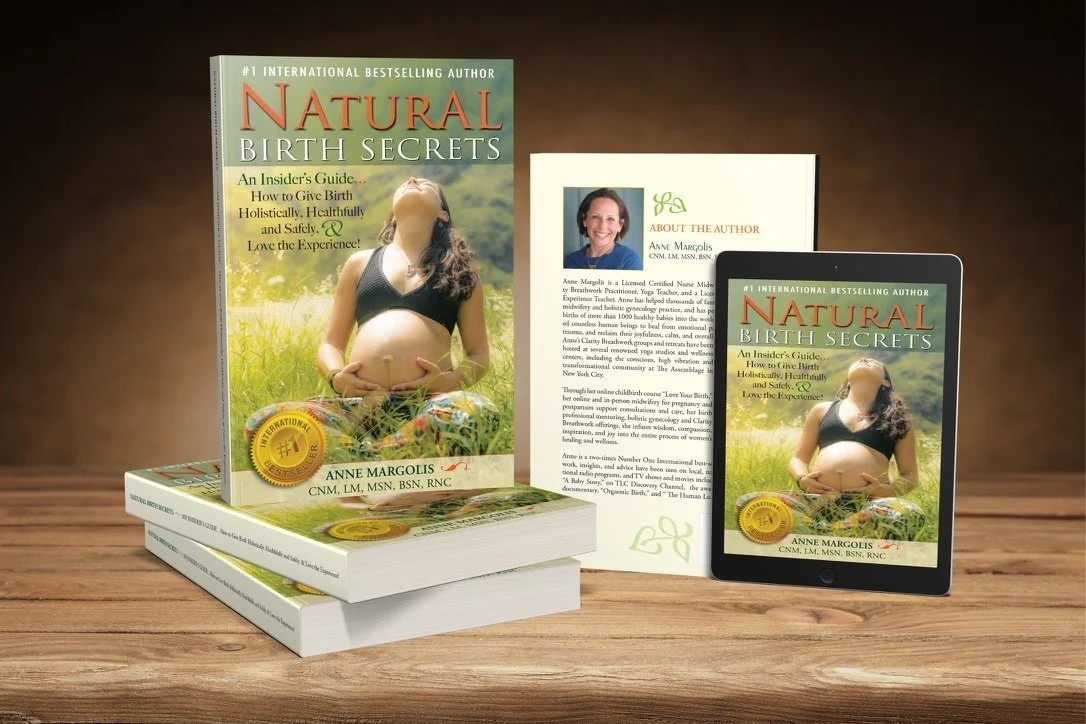
Check out my Natural Birth Secrets book 2nd edition as your reference for more information on holistic modalities for all common discomforts and ailments on your entire journey to having a baby - from preconception, through pregnancy and postpartum, as well as breastfeeding and newborn care.
Let Me Help You Create The Happiest Birth Experience Of Your Life...
Whether you're a first time or experienced momma,
Or a midwife, doula, or birth professional guiding mommas..
Regardless if you are planning a birth at home, a hospital, a birth center or need a cesarean section, or if you are taking another childbirth education class…
You Really Can Create The Delivery Of Your Dreams.
And have a blissful birth wherever you are.
More Precious Than A Wedding...A Birth Should Be A Celebration!
Let me show you how to…
Understand the sensations of your body and connect your intuition with how your body is communicating and leading you towards what to do during labor
Tap into your inner calm to deeply relax yourself, letting go of busy, stressful and fearful thoughts on demand for the health of baby
Speak your truth from your heart in a way that deepens your relationships, sets clear boundaries, and has people listen to you and support you before, during and after pregnancy
Trust yourself, connect with your body wisdom and communicate with baby in belly
Connect with natural time and sync your body and mind up with your unique biological clock for ease from pregnancy to postpartum
Reprogram negative patterns, stories, and beliefs that undermine your confidence, strength and self trust so you can rock your birth
Physicians and midwives around the world recommend my teachings to their pregnant clients and many Doulas across the country learn the secrets of blissful birthing from me to supplement their Doula Training & Certification process!
To learn more, visit: LOVE YOUR BIRTH Online Childbirth Course!
It is based on my years of experience, as a midwife and yoga teacher, helping thousands of women tap into their calm and live and birth from a place of grounded relaxation and joy.

Holistic Pain Relief in Pregnancy: Your Guide to Comfort & Self-Care
Feeling aches in your pelvis, legs, or back during pregnancy can be humbling—but it’s also a powerful opportunity for growth. These sensations invite you to lean into mindful breathing, self-compassion, and deeper connection with your changing body.

Embracing the Journey of Discomfort
Feeling aches in your pelvis, legs, or back during pregnancy can be humbling—but it’s also a powerful opportunity for growth. These sensations invite you to lean into mindful breathing, self-compassion, and deeper connection with your changing body.
Who Can Help (Think Natural Therapists!)
Before diving into self-care, consider reaching out to trusted holistic practitioners:
Chiropractor or osteopath — reset pelvic alignment
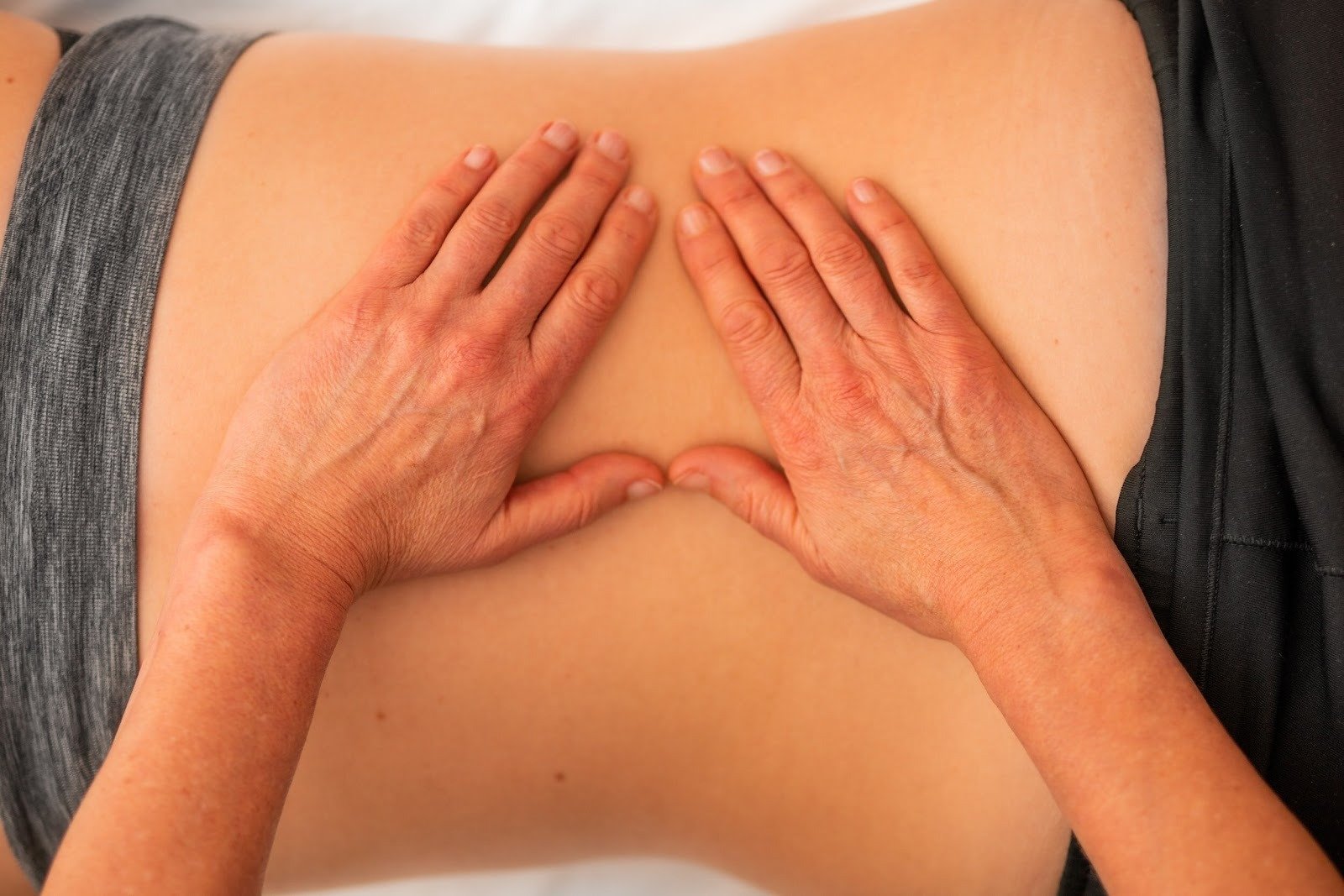
Massage therapist (deep tissue, Thai, Rolfing) — ease muscle tension
Homeopath — custom herbal or flower remedies
Acupuncturist — targeted needle therapy
Therapeutic yoga instructor — build strength and ease tightness
Round Ligament & Groin Pain
Sharp pangs in your groin—especially when walking or stretching? Here’s how to soothe and prevent them:
Rest, then rock: Lie on your back, knees bent, or get on hands & knees and gently rock your pelvis
Soak & soothe: Warm Epsom salt bath with lavender or herbal blends, followed by Tiger Balm and a hot/cold pack
Support: Use a pregnancy pillow and maternity belt, like the Bellefit supportwear
Strengthen: Practice pelvic-floor exercises—bridge pose with mula bandha (root lock) on a yoga block builds core support and tone
Upper & Lower Back Care
Upper back: Breast changes can strain your shoulders. Wear a supportive bra and stretch regularly with shoulder rolls.
Lower back: Weight shift, ligament loosening, and posture changes contribute to discomfort.
Try:
Prenatal belts (e.g., Baby Hugger)
Gentle yoga postures (cat/cow, sphinx, bridge) - I teach this in my online yoga classes.
Mindful lifting and posture (tuck in your pelvis, avoid high heels)

Sciatica Relief
Sciatic pain (sharp, radiating from your back down your leg)? Try:
Exercises: Hamstring stretches, spinal twists, standing hip openers
Stay active: Daily walking, swimming, low-impact movement
Anti-inflammatory diet: Whole foods, turmeric-rich meals, hydration (64 oz+)
Targeted yoga: Tailored stretches to decompress irritated nerves
Smart Movement & Body Mechanics
Rest when needed: Lighten your load—delegate more, schedule breaks
Posture check: Stand and walk with lifted abdomen, tucked pelvis, relaxed shoulders
Sneakers, not heels: Flat, supportive footwear—barefoot at home feels amazing
Lift right: Bend at knees, use core support, avoid twisting
Safety first: Take extra care on slippery surfaces, add non-slip mats
Supportive Sleep & Rest
Comfort while resting is essential:
Bedding: Firm mattress or board; pregnancy pillow for side sleeping
Environment: Cool (mid‑60s°F), dark, quiet—blackout curtains, eye masks, white-noise machines
Rituals: Early bedtime, gentle stretching, warm herbal teas, and peaceful wind-down routines
Healing Through Breath & Relaxation
Pain often arises from tension. Here’s how to ease it:
Deep abdominal breathing – In for 4, out for 4
Box breathing – In 3, hold 6, out 6, hold 3
Relaxation scan – Tense and release muscles from head to toe
Ujjayi breath – Gentle ocean-sound breath awareness
These techniques calm your nervous system and teach your body to relax into sensations, not fight them—a vital skill for labor and beyond.
At-Home Remedies for Back Pain
Massage oil blend: Arnica + St. John’s wort + cramp bark + essential oils (ginger, lavender, or rosemary)
Heat or ice: Alternate cold packs (first 24–48 hrs) with moist heat (showers, Epsom baths)
Healing yoga pose: Legs Up The Wall—rest on your back with legs up against a wall or bolster for 10–20 minutes.
Herbal support: Tinctures like cramp bark, skullcap, St. John’s wort, plus turmeric for inflammation. Reputable brands of the supplements and remedies I recommend include any of those in my online holistic apothecary.
TENS unit: Safe, drug-free pain relief option (often works well during labor too)
Supporting SPD (Symphysis Pubis Dysfunction)
SPD can feel intense, but these gentle supports help:
Chiropractic care + support belts (Bellefit, Baby Hugger)
Pelvic floor activation before movement
Gentle repositioning: Keep legs close and move slowly when turning or rolling
Seek help:
If walking forward hurts, backward feels better—consider physical therapy or crutches
To release stress and trauma energy often responsible for chronic issues, do conscious connected Clarity breathwork and experience miraculous healing and transformation.
Check out Brandon Bays’ book The Journey, and her website. These are all extremely effective mind-body cutting edge methods that have also lead to transformational healing for thousands of people around the world.
When Pain Persists or Feels “Off”
While many aches are pregnancy-related, check in with your provider if you experience:
Severe, persistent pain
Fever, bleeding, bladder/bowel changes
Leg swelling/redness (possible blood clot)
New or unusual symptoms
Chronic pain solutions may involve mindful emotional work—think The Mindbody Prescription or Clarity Breathwork to release underlying stress and trauma.
Create Your Personalized Well-Being Plan:
Gentle movement – Yoga, walking, swimming
Core & pelvic care – Strengthen with awareness
Supportive gear – Maternity belts, pillows, sneakers
Healing tools – Massage blends, heat/ice, TENS
Breathing & mindfulness – Your daily reset toolkit
Rest intentionally – Sleep earlier, nap strategically
Connect & empower – Video guidance or local sessions
Let’s Connect!
Need personalized guidance? Book a video consultation with me—we’ll chart a gentle, effective plan tailored to you and your baby.
Pregnancy is a time of profound transformation. Your body is working hard—reward it with kindness, awareness, and nurturing care. 💛
You’ve got this, mama!
Let Me Help You Create The Happiest Birth Experience Of Your Life...
Whether you're a first time or experienced momma,
Or a midwife, doula, or birth professional guiding mommas..
Regardless if you are planning a birth at home, a hospital, a birth center or need a cesarean section, or if you are taking another childbirth education class…
You Really Can Create The Delivery Of Your Dreams.
And have a blissful birth wherever you are.
More Precious Than A Wedding...A Birth Should Be A Celebration!
Let me show you how to…
Understand the sensations of your body and connect your intuition with how your body is communicating and leading you towards what to do during labor
Tap into your inner calm to deeply relax yourself,letting go of busy, stressful and fearful thoughts on demand for the health of baby
Speak your truth from your heart in a way that deepens your relationships, sets clear boundaries, and has people listen to you and support you before, during and after pregnancy
Trust yourself, connect with your body wisdom and communicate with baby in belly
Connect with natural time and sync your body and mind up with your unique biological clock for ease from pregnancy to postpartum
Reprogram negative patterns, stories, and beliefs that undermine your confidence, strength and self trust so you can rock your birth
Physicians and midwives around the world recommend my teachings to their pregnant clients and many Doulas across the country learn the secrets of blissful birthing from me to supplement their Doula Training & Certification process!
To learn more, visit: LOVE YOUR BIRTH Online Childbirth Course!
It is based on my years of experience, as a midwife and yoga teacher, helping thousands of women tap into their calm and live and birth from a place of grounded relaxation and joy.

Check out my Natural Birth Secrets book 2nd edition as your reference for more in depth information on holistic modalities for all common discomforts and ailments on your entire journey to having a baby - from preconception, through pregnancy and postpartum, as well as breastfeeding and newborn care.