
The Midwifery Model of Care: Why Normal Birth Is Safest
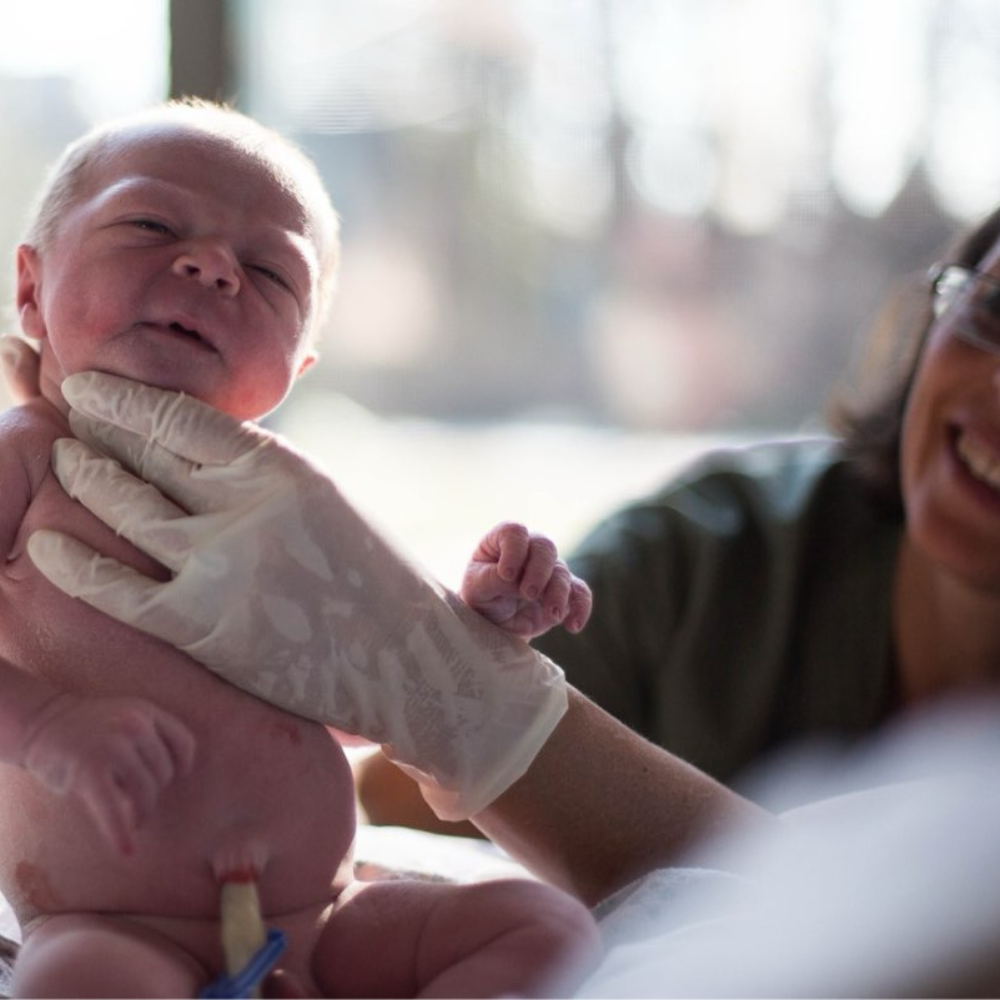
In today’s modern healthcare system, pregnancy is often approached as a condition waiting for something to go wrong. Appointments are short. Testing is frequent. Interventions are discussed early—sometimes before there’s even a reason.
This approach is known as the Medical Model of Care.
And while it is absolutely essential when complications arise, it is not always the most supportive or appropriate model for healthy, low-risk pregnancies.
There is another way—one that honors birth as normal, powerful, and profoundly wise.
This is the Midwifery Model of Care.
What Is the Midwifery Model of Care?
The Midwifery Model of Care is rooted in one simple, powerful truth:
Pregnancy and birth are normal, physiological life events—not illnesses.
As a midwife, my role is not to “manage” your body or control your labor.
My role is to protect your normal, while remaining clinically skilled and deeply present.
This model emphasizes:
Individualized, relationship-based care
Education and informed choice
Holistic prenatal care that supports body, mind, heart, and spirit
Minimal intervention unless medically necessary
Continuous emotional and physical support
Respect for your intuition and autonomy
Midwives are trained to recognize when birth is unfolding beautifully—and when it is not. We intervene only when needed, and with intention.
Midwifery Model vs. Medical Model: Key Differences
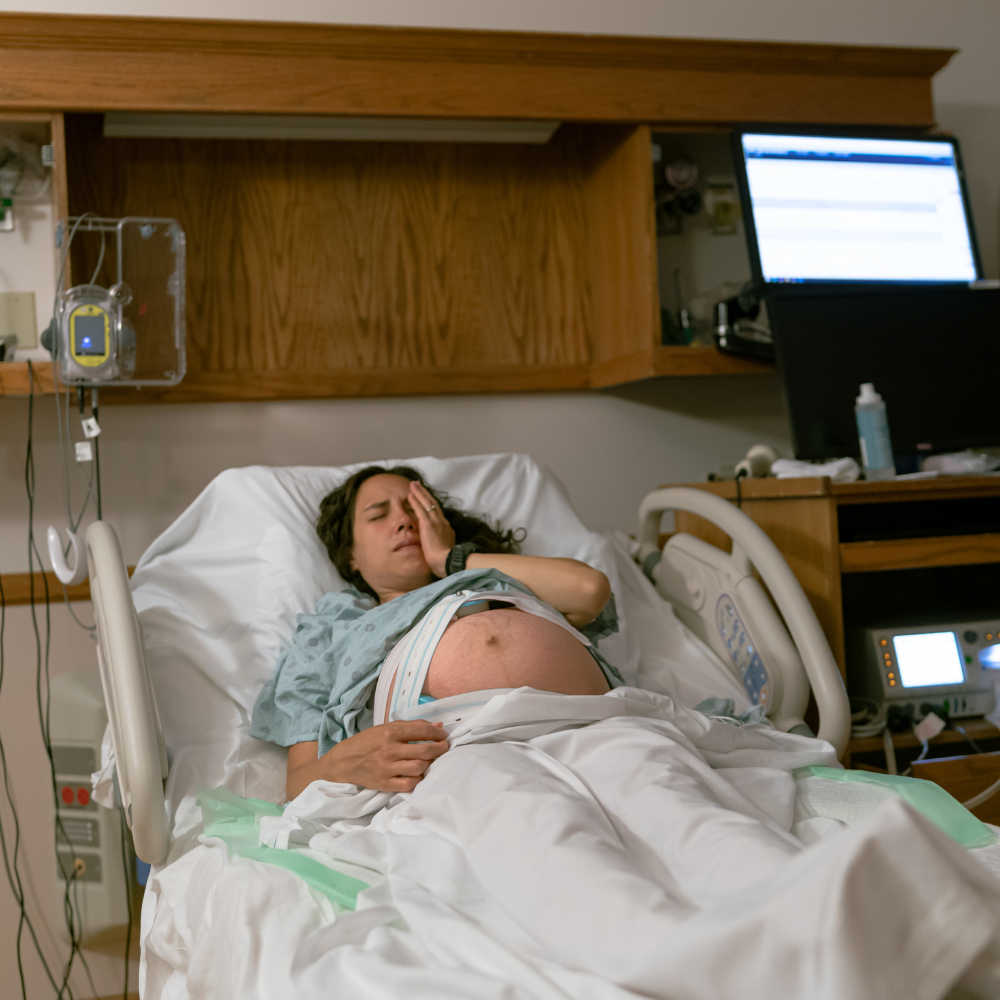
The Medical Model of Care
Views pregnancy as inherently risky
Focuses on surveillance, protocols, and timelines
Relies heavily on technology and routine interventions
Often prioritizes efficiency and liability
Tends to manage labor rather than support it
This model saves lives in true emergencies. I am deeply grateful for it when it is needed.
But when applied to normal birth, it can unintentionally disrupt physiology, increase fear, and lead to unnecessary intervention.
The Midwifery Model of Care
Views pregnancy as healthy until proven otherwise
Focuses on prevention, education, and trust
Supports the body’s natural rhythms and hormonal flow
Encourages freedom of movement, nourishment, and rest
Respects the emotional and spiritual dimensions of birth
This model asks a different question: “What does this woman need to feel safe, supported, and empowered?”
Why Trusting “Normal” Matters So Much
Physiologic birth works best when a woman feels:
Safe
Undisturbed
Supported
Seen and heard
When fear is reduced and autonomy is honored, the body releases oxytocin—the hormone of labor, bonding, and love.
This is why the Midwifery Model of Care is associated with:
Lower rates of induction
Lower cesarean rates
Fewer unnecessary interventions
Higher satisfaction with the birth experience
Stronger breastfeeding outcomes
Normal birth doesn’t mean “no help.”
It means the right help, at the right time, for the right reason.
Holistic Prenatal Care: Caring for the Whole Woman
Holistic prenatal care is a cornerstone of midwifery.
Your appointments are not rushed.
Your questions are welcomed.
Your emotional world matters.
We talk about:
Nutrition and lifestyle
Sleep and stress
Emotional well-being
Relationship dynamics
Past birth experiences or trauma
Fears, hopes, and expectations
Because birth doesn’t happen in isolation.
It happens in the context of your life.

But What About Safety?
This is one of the most common—and important—questions I hear.
Midwives are highly trained clinicians. We monitor both mother and baby carefully throughout pregnancy, labor, and postpartum. We use evidence-based screening and assessments, and we know exactly when collaboration or transfer of care is necessary.
Safety is not ignored in midwifery care.
It is woven into everything we do.
The difference is that we don’t treat every pregnancy like a crisis.
You Deserve Care That Honors You
Whether you plan to birth at home, in a birth center, or in a hospital, the principles of the Midwifery Model of Care can guide you:
Trust your body
Educate yourself
Choose providers who listen
Create an environment that supports physiology
Advocate for informed consent and refusal
“Normal” is not passive.
It is powerful.
Final Thoughts
Birth is not something to get through.
It is something to be experienced, respected, and remembered.
When we trust normal, protect physiology, and center care around the woman—not the system—we create safer, healthier, and more empowering births.
That is the heart of the Midwifery Model of Care.
And it is my life’s work.
Want to Learn How to Apply This Model to Your Own Birth—Anywhere You Plan to Deliver?
In my Love Your Birth Online Course, I teach you how to:
Understand physiologic birth
Navigate the medical system with confidence
Advocate for low-intervention care
Create a homebirth-like experience in any setting
Prepare your mind, body, and heart for birth
This course was created from nearly 30 years of midwifery experience, and it supports parents birthing at home, in birth centers, or in hospitals.
You deserve care that honors your wisdom.
You deserve a birth you can love.