
How to Find the Right Birth Worker for You
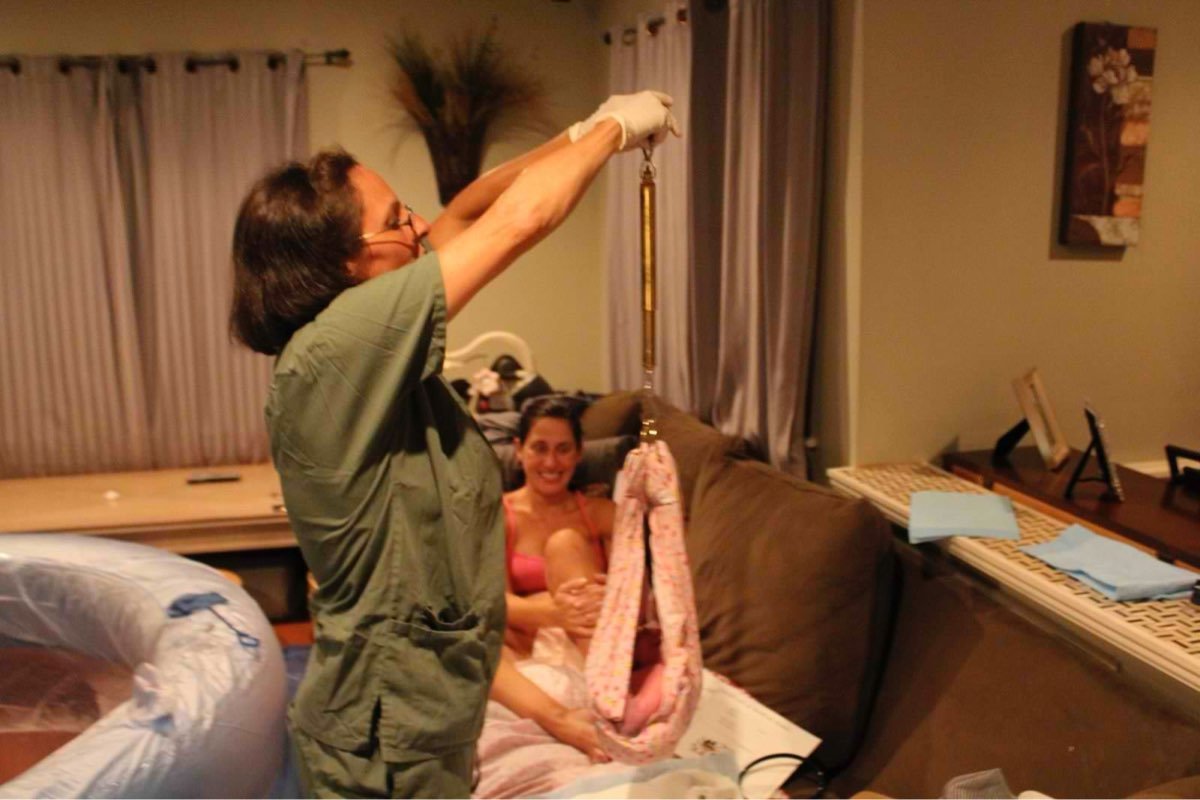
I’ve been a midwife for over 30 years now. I’ve attended over a thousand births. And if there’s one thing I can tell you with absolute certainty, it’s this:
The person standing beside you during birth will shape your entire experience.
Not the hospital you choose. Not the playlist you make. Not the birth plan you write. Those things matter. But nothing matters more than the human being who is holding space for you in your most vulnerable, powerful, raw moment.
The right birth worker makes you feel safe. The wrong one makes you feel like a patient on a conveyor belt.
So how do you find the right one? Let me walk you through it.
First, Know Who’s Out There
The term “birth worker” covers a lot of ground. Here are the main people you might consider having on your team:
Certified Nurse Midwife (CNM): A registered nurse with a master’s degree in midwifery. Licensed in all 50 states. Can practice in hospitals, birth centers, and homes. This is what I am.
Certified Professional Midwife (CPM): Trained through an apprenticeship model. Licensing varies by state. Primarily practices in homes and birth centers.
Doula: A trained birth companion who provides emotional, physical, and informational support. A doula does not deliver babies or perform clinical tasks. She is your advocate and your anchor.
Obstetrician (OB/GYN): A physician specializing in pregnancy and birth. Trained in the medical model. Practices in hospitals.
Each of these professionals brings something different. And your choice will depend on what kind of birth you want, where you want to have it, and what kind of support feels right for you.
Check Your State’s Requirements
This is important and most people skip it.
Midwifery laws vary dramatically from state to state. In some states, CPMs are fully licensed and regulated. In others, they are practicing in a legal gray area. And in a few, practicing as a CPM without a nursing license can result in criminal charges.
I’ve seen the consequences of this firsthand. I’ve seen a transfer come into a hospital where the midwife was hiding because she was afraid of being reported. She brought no chart. No documentation. Because her practice wasn’t legal in that state. And the mother and baby paid the price of that fear.
Before you choose a midwife, please do the following:
Look up your state’s midwifery laws. The American College of Nurse-Midwives (ACNM) and the Midwives Alliance of North America (MANA) both have resources that break this down state by state.
Ask your midwife directly: Are you licensed in this state? What certifications do you hold? Are you required to carry liability insurance?
If your midwife hesitates or gets defensive about these questions, that tells you something. A confident, qualified birth worker will be transparent about their credentials without flinching.

The Questions You Should Be Asking
When you meet with a potential birth worker, whether it’s a midwife, OB, or doula, treat it like an interview. Because it is one. You are hiring someone for the most important job of your life.
Here are the questions I wish every mama would ask:
1. What is your cesarean rate?
If they don’t know or won’t tell you, that’s a red flag. My cesarean rate is 5%. A hospital midwife should ideally be at 10% or less. Most OBs are significantly higher.
2. What is your induction rate?
High induction rates often signal a provider who intervenes early and often. Ask them why and when they recommend induction.
3. What is your philosophy on birth?
Do they see birth as a normal physiologic process or a medical event that needs to be managed? There is no wrong answer here, but you need to know if their philosophy matches yours.
4. How do you handle emergencies?
You want someone who is calm, experienced, and has clear protocols. Ask them to walk you through what happens if something unexpected arises.
5. Will you be at my birth or could it be someone else?
In many hospital practices, the provider on call delivers your baby. That might be someone you’ve never met. Know this before you’re in labor.
6. How do you support physiologic birth?
Do they encourage movement, eating, intermittent monitoring? Or do they default to continuous monitoring, IV lines, and bed rest? These details matter more than most people realize.
7. What happens if I go past my due date?
First-time mamas often go at least a week past their due date. That’s normal. But many providers will push for induction the moment you hit 40 weeks. You deserve a provider who trusts the process when you and baby are healthy.
8. How do you feel about birth plans?
If they roll their eyes or dismiss them, walk away. A birth plan is not a demand. It’s a conversation. And a good provider welcomes it.
9. Can I say no to an intervention?
The answer is always yes. You have legal autonomy over your body. But you want a provider who respects that without making you fight for it.
10. What postpartum support do you offer?
Birth doesn’t end when the baby arrives. The first week postpartum is one of the most vulnerable times in a woman’s life. Ask what support looks like after you go home.
Please Don’t Settle
I need you to hear this.
You do not have to stay with a provider who makes you feel rushed. You do not have to stay with someone who dismisses your questions. You do not have to stay with someone who makes you feel small or scared or like your concerns don’t matter.
I have watched too many women stay with a provider they didn’t trust because they felt like it was too late to switch. It is almost never too late. I’ve had mamas switch to me at 36 weeks. At 38 weeks. Even later. And every single one of them said the same thing afterward: “I wish I had done it sooner.”
Your gut knows. If something feels off during your prenatal appointments, if you leave feeling more anxious instead of more confident, if your questions are met with impatience or condescension, that is your body telling you this is not the right fit.
Listen to it.
You deserve a birth worker who makes you feel held, heard, and honored. Someone who treats your birth as the sacred, powerful experience it is. Someone who respects your body, your instincts, and your right to make decisions about your own care.
That person exists. Keep looking until you find them.

A Few More Things Worth Knowing
You can have both a midwife and a doula.
In fact, I recommend it, especially for hospital births. Your midwife handles the clinical care. Your doula handles you. Having both means you are never without an advocate in the room.
Interview more than one.
Most midwives and doulas offer free consultations. Take advantage of this. Meet two or three. Notice how your body feels in each conversation. The right person will make your shoulders drop.
Ask other mamas.
Word of mouth is still the most powerful tool. Ask women in your community who they loved. Ask who they would hire again in a heartbeat. And ask who they wouldn’t.
Trust matters more than credentials.
I say this as someone with a lot of credentials. A wall full of degrees means nothing if you don’t feel safe with that person. The best birth worker for you is the one who makes you feel like you can do this.
Finding the right birth worker is one of the most important decisions you will make during your pregnancy. Take your time. Ask the hard questions. And please, do not settle for someone who doesn’t feel right just because it’s convenient.
You are not being difficult. You are being a mother. And that starts right now, before your baby is even here, by choosing the people who will stand beside you when it matters most.
I’m rooting for you.
With care,
Anne 🩷